

How to Get Rid of Back Acne: Complete Treatment Guide for Clear Skin
Author
Written by one of our askINKEY skincare advisors
Published
28 May, 2021
Over 50 million Americans struggle with acne annually, and research shows that 60% of those with facial breakouts also experience back and chest acne. The good news? You can eliminate back acne completely with the right treatment approach and proven products like The INKEY List Salicylic Acid Cleanser and the innovative Glycolic Acid Body Stick designed specifically for stubborn body breakouts.
This complete guide covers: • Science-backed methods to get rid of back acne fast • Expert-recommended products that actually work • Step-by-step treatment protocols with timelines • Prevention strategies to keep your skin clear permanently • When professional treatment becomes necessary
Whether you're dealing with mild back acne or severe cystic breakouts, this evidence-based approach will help you achieve the clear, smooth skin you want. Most people see significant improvement within 6-8 weeks when following these proven protocols consistently.
Ready to eliminate back acne for good? Let's get started.
What is Back and Chest Acne?
Back acne (commonly called "bacne") and chest acne follow the same biological processes as facial acne but occur in areas that present unique treatment challenges. These body regions contain numerous oil-producing sebaceous glands that can become clogged with dead skin cells, excess sebum, and bacteria, resulting in the inflammatory bumps, blackheads, and cysts we recognize as acne.
Back acne typically appears on:
• Upper back between shoulder blades
• Lower back along the spine
• Shoulders and shoulder blade area
• Chest and upper chest area
According to the American Academy of Dermatology, body acne affects approximately 40-60% of people who experience facial acne, though it can also occur independently. The skin on your back is significantly thicker than facial skin—up to 7 layers compared to 3-5 layers on the face—and contains larger pores, making it particularly prone to deep, stubborn clogs.
Types of back acne include:
• Comedonal acne: Blackheads and whiteheads
• Inflammatory acne: Red, raised bumps (papules and pustules)
• Cystic acne: Deep, painful lumps under the skin
Unlike facial acne, back breakouts are often hidden under clothing, creating a warm, moist environment that can worsen inflammation and bacterial growth. This is why targeted treatments specifically formulated for body acne—like salicylic acid-based cleansers—are essential for penetrating thicker skin and larger pores effectively.
The prevalence of body acne in American adults has increased over the past decade, likely due to lifestyle factors including increased gym participation, synthetic athletic wear, and higher stress levels that affect hormonal balance.
For comprehensive acne information, visit the Mayo Clinic's acne resource center.
What Causes Back Acne?
Understanding what triggers back acne is crucial for selecting effective treatments and preventing future breakouts. Multiple factors typically work together to create persistent body acne, and identifying your specific triggers allows for targeted treatment approaches.
Hormonal Factors
Hormones play the primary role in back acne development, with androgens (particularly testosterone and DHT) stimulating oil glands to produce excess sebum. This hormonal influence explains why back acne often begins during puberty and can persist or even begin in adulthood.
Key hormonal triggers include:
Puberty and adolescence: Teenage years see dramatic hormone surges, with up to 85% of Americans aged 12-24 experiencing some form of acne. Back acne during this period is often severe due to peak hormone production.
Menstrual cycles: Women frequently notice back acne flares 7-10 days before menstruation when progesterone levels spike and estrogen drops, creating an androgenic environment.
PCOS and hormonal disorders: Polycystic ovary syndrome affects 6-12% of American women and commonly causes persistent body acne due to elevated androgen levels.
Hormonal contraceptives: Starting, stopping, or switching birth control can trigger temporary hormonal acne flares as the body adjusts to new hormone levels.
Adult hormonal changes: Pregnancy, menopause, and andropause can all trigger new onset back acne or worsen existing conditions.
American Lifestyle Triggers
Modern American lifestyle factors significantly contribute to back acne development:
Fitness and gym culture:
• High-intensity workouts increase sweating and oil production
• Synthetic athletic wear traps moisture against skin
• Shared gym equipment harbors acne-causing bacteria
• Post-workout delays in showering allow bacteria to proliferate
Clothing and fabric choices:
• Tight-fitting synthetic fabrics prevent air circulation
• Backpacks, sports bras, and fitted clothing create friction points
• Fabric softeners and detergents can contain pore-clogging ingredients
• Professional dress codes requiring fitted, non-breathable clothing
Hair and beauty products:
• Sulfate-containing shampoos and heavy conditioners running down the back
• Hair styling products with silicones and oils transferring to skin
• Body lotions and oils containing comedogenic ingredients
• Failure to rinse thoroughly after using hair masks or treatments
Gender-Specific Considerations
Women in America commonly experience back acne from:
• Hormonal birth control adjustments (affects 60% of American women)
• Sports bra friction, especially with underwire styles popular in fitness culture
• Hair product use—Americans spend $3.8 billion annually on hair styling products
• Hormonal fluctuations during pregnancy and perimenopause
Men often develop back acne due to:
• Higher baseline testosterone levels
• Increased participation in weight training and contact sports
• Less attention to back skincare routines
• More frequent use of protein supplements that may influence hormones
Stress and Environmental Factors
Chronic stress affects 75% of Americans regularly and directly impacts acne through cortisol elevation. Elevated cortisol increases oil production and inflammation while suppressing immune function, creating ideal conditions for acne development.
Environmental contributors include:
• Air pollution in urban areas affecting 4 out of 10 Americans
• Hard water mineral deposits clogging pores
• Seasonal humidity changes affecting oil production
• Indoor air quality from heating and cooling systems
Genetic Predisposition
Family history strongly influences acne severity and duration. Studies show that individuals with parents who had severe acne are 3-4 times more likely to develop similar patterns. Genetic factors control sebum production rates, inflammatory responses, and how effectively skin sheds dead cells.
Detailed research on acne causes can be found in this NCBI comprehensive review.
How to Get Rid of Back Acne: Proven Solutions
Getting rid of back acne requires a strategic approach that addresses the unique characteristics of body skin. The thicker skin on your back, combined with larger pores and frequent clothing coverage, demands more intensive treatment than typical facial acne products provide.
Salicylic Acid: Your Most Powerful Ally
Salicylic acid stands as the most effective over-the-counter ingredient for eliminating back acne. This beta-hydroxy acid (BHA) is uniquely oil-soluble, allowing it to penetrate deep into sebum-filled pores to dissolve the mixture of dead skin cells and oil that creates blockages.
Why salicylic acid works so effectively for back acne:
• Deep pore penetration: Unlike water-soluble acids, salicylic acid cuts through oil to reach deep clogs
• Anti-inflammatory action: Reduces the redness and swelling that makes back acne painful
• Keratolytic properties: Promotes healthy skin cell turnover to prevent new clogs from forming
• Antimicrobial effects: Helps control Propionibacterium acnes bacteria populations
Clinical evidence supporting salicylic acid: Multiple peer-reviewed studies demonstrate salicylic acid's effectiveness for body acne, with concentrations of 2% showing optimal results for most people without excessive dryness or irritation.
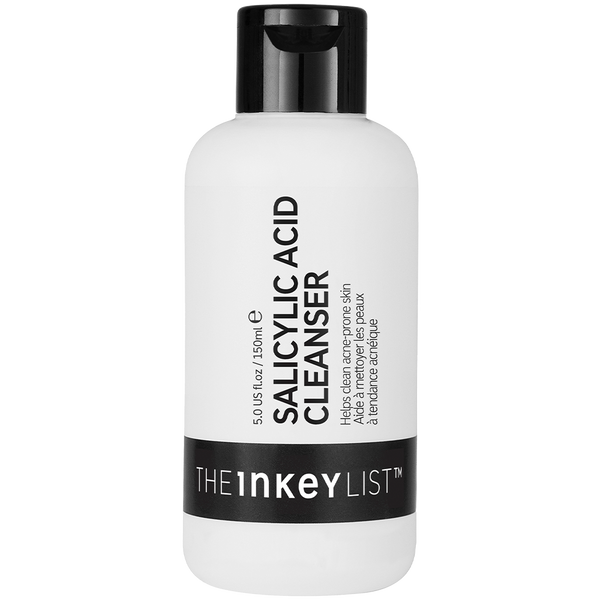
The INKEY List Salicylic Acid Cleanser: Optimal Formulation
The INKEY List Salicylic Acid Cleanser represents the gold standard for back acne treatment, combining 2% salicylic acid with zinc compound for enhanced antibacterial action, plus allantoin to soothe irritated skin and prevent over-drying.
Key formulation advantages:
• 2% salicylic acid concentration: Maximum over-the-counter strength for optimal effectiveness
• Zinc compound addition: Provides antimicrobial benefits and supports skin healing
• Allantoin inclusion: Soothes inflammation and prevents the tightness common with acne treatments
• pH-optimized formula: Ensures maximum salicylic acid activity
Step-by-step application for maximum results:
Morning routine:
1 Wet skin thoroughly with lukewarm water
2 Apply cleanser to affected areas (back, chest, shoulders)
3 Massage in circular motions for 60 seconds to ensure penetration
4 Rinse completely to remove loosened debris
5 Pat dry gently with clean towel
Evening routine:
1 Remove any clothing immediately after work/exercise
2 Follow same cleansing protocol as morning
3 Focus extra attention on areas with active breakouts
4 Allow skin to dry completely before applying any additional products
Timeline for results:
• Week 1-2: Possible initial purging as deep clogs surface
• Week 3-4: Reduction in new breakout formation
• Week 6-8: Significant improvement in existing acne
• Week 12+: Clear skin maintenance with continued use
Advanced Treatment Combinations
For moderate to severe back acne, combine treatments strategically:
Morning protocol:
• Salicylic acid cleanser
• Benzoyl peroxide spot treatment (2.5% strength initially)
• Oil-free moisturizer if needed
• SPF 30+ for any exposed areas
Evening protocol:
• Gentle cleanser (non-medicated)
• Over-the-counter retinoid (adapalene 0.1%)
• Light moisturizer to prevent excessive dryness
Important layering rules:
• Never mix benzoyl peroxide and retinoids (use at different times)
• Introduce new treatments one at a time to assess tolerance
• Always start with lower concentrations to minimize irritation
• Consistency matters more than intensity—stick with your routine
Professional Treatment Options
When to consider dermatologist consultation:
• No improvement after 12 weeks of consistent OTC treatment
• Cystic acne or deep, painful lesions
• Scarring development
• Emotional impact affecting quality of life
Professional treatments available:
• Prescription retinoids: Tretinoin, adapalene in higher strengths
• Topical antibiotics: Clindamycin gel for inflammatory acne
• Oral medications: Antibiotics, hormonal treatments, isotretinoin for severe cases
• In-office procedures: Chemical peels, steroid injections, light therapy
Research supporting salicylic acid efficacy is documented in this comprehensive NCBI study.
Best Products to Eliminate Back Acne
Beyond traditional acne cleansers, innovative body treatment products can target the multiple skin concerns that often accompany back acne, including texture irregularities, ingrown hairs, and post-inflammatory hyperpigmentation.
Glycolic Acid: Advanced Body Exfoliation Technology
Alpha-hydroxy acids, particularly glycolic acid, provide complementary benefits to salicylic acid by working on the skin's surface to remove accumulated dead skin cells and improve overall texture. Glycolic acid's exceptionally small molecular size allows for superior penetration into body skin, making it ideal for addressing the complex skin issues that accompany persistent back acne.
Glycolic acid benefits for eliminating back acne:
• Surface exfoliation: Removes the dead skin cell buildup that can trap oil in pores
• Improved product penetration: Allows other acne treatments to work more effectively
• Texture refinement: Smooths rough, bumpy skin often associated with body acne
• Post-acne mark fading: Helps reduce dark spots left behind by healed breakouts
• Ingrown hair prevention: Particularly valuable for areas prone to folliculitis
Clinical support for glycolic acid: Dermatological studies demonstrate that glycolic acid concentrations of 5-10% effectively improve acne outcomes when used as part of a comprehensive treatment regimen, with particular benefits for post-inflammatory pigmentation common in darker skin tones.
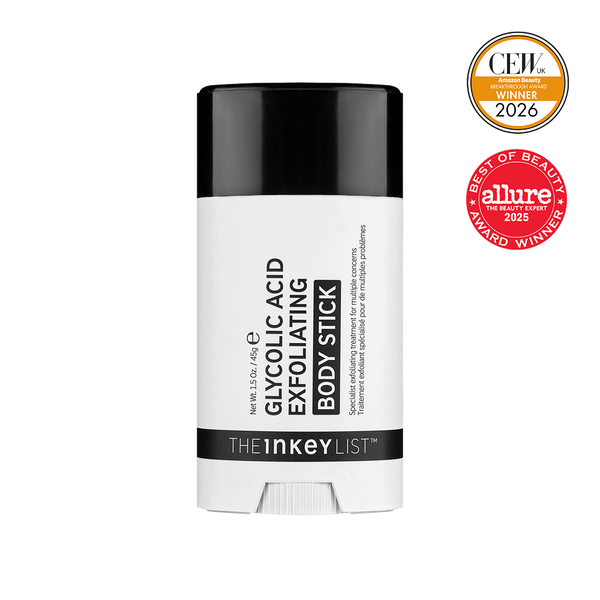
The INKEY List Glycolic Acid Body Stick: Revolutionary Application
The INKEY List Glycolic Acid Body Stick revolutionizes body acne treatment through its innovative stick delivery system, providing precise application and eliminating the hygiene concerns associated with jar products.
Breakthrough design advantages:
• Precise application: Stick format allows targeted treatment of specific areas without waste
• Hygienic delivery: No contamination risk from repeated finger contact
• Travel-friendly: TSA-compliant size for consistent routine maintenance
• Mess-free use: No sticky residue or complicated application process
• Even distribution: Ensures consistent product coverage across treated areas
Multi-condition effectiveness: The versatile formulation addresses several concerns simultaneously:
Keratosis pilaris treatment: Those rough, bumpy patches on upper arms and thighs that affect 40% of Americans respond excellently to regular glycolic acid use.
Ingrown hair prevention: Regular exfoliation prevents the hair entrapment that leads to painful bumps, especially important for Americans who shave or wax body hair regularly.
Post-acne mark reduction: Gentle resurfacing action helps fade the dark spots that can persist for months after acne heals, particularly important for individuals with darker skin tones.
General texture improvement: Creates smoother, more even-toned skin across all treated areas.
Optimal usage protocol:
Week 1-2: Skin adaptation phase
• Apply 2 times weekly to dry skin
• Use on non-consecutive days (Monday/Thursday schedule)
• Start with small areas to assess tolerance
• Always apply SPF 30+ the following day
Week 3-4: Tolerance building
• Increase to 3 times weekly if no irritation occurs
• Expand treatment area as skin adapts
• Monitor for any signs of over-exfoliation (redness, stinging)
Week 5+: Maintenance phase
• Use 3-4 times weekly for ongoing results
• Can increase to daily use if skin tolerates well
• Maintain consistent SPF protection
Application technique:
1 Apply to completely dry skin in the evening
2 Glide stick directly over affected areas using light pressure
3 Allow complete absorption (no rinsing required)
4 Wait 20-30 minutes before applying any other products
5 Use SPF protection during the day without exception
Shop Glycolic Acid Body Stick →
Building Your Complete Back Acne Elimination Routine
Morning routine for clear skin:
1 Salicylic Acid Cleanser on back and chest
2 Oil-free body moisturizer if needed (look for niacinamide)
3 SPF 30+ sunscreen on any exposed areas
Evening routine for maximum results:
1 Post-workout shower within 30 minutes of exercise
2 Salicylic acid cleanser for deep pore cleaning
3 Glycolic Acid Body Stick (3-4x weekly)
4 Lightweight moisturizer to support skin barrier
Weekly intensive treatment:
• Salicylic acid cleanser daily
• Glycolic Acid Body Stick every other day
• Professional-grade body mask once weekly for additional deep cleaning
Explore complete body care solutions →
Success in eliminating back acne typically requires 8-12 weeks of consistent treatment. The combination of salicylic acid's deep pore-clearing action with glycolic acid's surface exfoliation provides comprehensive treatment that addresses both active breakouts and prevention of future problems.
Clinical research supporting glycolic acid in acne treatment is detailed in this PubMed study.
How to Prevent Back Acne
Prevention forms the cornerstone of long-term back acne management. By implementing strategic lifestyle modifications and maintaining consistent skincare practices, you can significantly reduce breakout frequency and severity while supporting your treatment results.
Clothing and Fabric Strategy
Natural fibers are your best friends:
• 100% cotton: Allows maximum breathability and moisture absorption
• Bamboo blends: Naturally antimicrobial properties help control bacteria
• Linen: Excellent air circulation, though may wrinkle easily
• Merino wool: Natural odor resistance and temperature regulation
Synthetic fabric guidelines:
• Moisture-wicking polyester: Acceptable for exercise if changed immediately after
• Avoid nylon and acetate: These trap heat and moisture against skin
• Technical fabric blends: Look for antimicrobial-treated athletic wear
American lifestyle clothing considerations:
• Professional attire: Choose cotton dress shirts over synthetic blends when possible
• Undergarments: Change bras and undershirts daily, especially in humid climates
• Workout gear: Invest in high-quality moisture-wicking fabrics and wash after every use
• Casual wear: Loose-fitting cotton t-shirts are ideal for acne-prone back skin
Post-Exercise Protocols
The 30-minute rule: Research shows that bacteria multiplication accelerates significantly after 30 minutes of remaining in sweaty clothing. Implement these strategies:
Immediate post-workout:
1 Remove sweaty clothing within 30 minutes of finishing exercise
2 Quick rinse if full shower isn't possible immediately
3 Change into clean, dry cotton clothing
4 Use antibacterial wipes on back and chest if shower must be delayed
Gym hygiene essentials:
• Personal towels only: Never share or reuse gym towels
• Equipment sanitization: Clean benches and equipment before and after use
• Clean water bottles: Replace or thoroughly sanitize daily
• Separate gym bag compartments: Keep clean clothes separate from sweaty items
Hair Care Modifications
Product application techniques: Americans spend over $3 billion annually on hair styling products, many of which contain comedogenic ingredients that can trigger back acne when they run down the back during washing or throughout the day.
Shower routine optimization:
1 Wash and condition hair first before cleansing body
2 Rinse hair thoroughly to remove all product residue
3 Pull hair forward when applying styling products
4 Cleanse back last to remove any transferred hair products
Product selection considerations:
• Sulfate-free shampoos: Less likely to irritate skin when they contact the back
• Silicone-free conditioners: Reduce the risk of pore-clogging residue
• Water-based styling products: Choose over oil or silicone-based formulations
• Clarifying treatments: Use weekly to remove product buildup
Environmental and Lifestyle Modifications
Sleep environment optimization: Quality sleep affects hormonal balance, with poor sleep increasing cortisol levels that can worsen acne.
Bedding protocols:
• Change pillowcases 2-3 times weekly
• Wash sheets weekly in hot water (130°F minimum)
• Choose breathable fabrics: Cotton or bamboo sheet sets
• Maintain cool bedroom temperature: 65-68°F to reduce nighttime sweating
Stress management for hormonal balance:
Chronic stress affects 75% of Americans and directly impacts acne through cortisol elevation.
Evidence-based stress reduction:
• Regular exercise: 150 minutes weekly of moderate activity (CDC recommendation)
• Meditation or mindfulness: Even 10 minutes daily shows hormonal benefits
• Adequate sleep: 7-9 hours nightly for optimal hormonal regulation
• Social connections: Maintain supportive relationships to buffer stress response
Dietary Considerations
While the relationship between diet and acne continues to be studied, emerging research suggests certain dietary patterns may influence acne severity in susceptible individuals.
Potentially beneficial modifications:
• Reduce high-glycemic foods: Limit white bread, sugary snacks, processed foods
• Increase omega-3 fatty acids: Include salmon, walnuts, flaxseeds regularly
• Antioxidant-rich foods: Berries, leafy greens, and colorful vegetables
• Adequate hydration: Half your body weight in ounces of water daily
Individual variation consideration: Food triggers are highly individual. Consider keeping a food and acne diary to identify personal triggers, but avoid overly restrictive diets without professional guidance.
Routine Integration and Consistency
Morning prevention routine:
1 Shower if you sweat during sleep (night sweaters)
2 Salicylic Acid Cleanser on back and chest
3 Clean cotton clothing selection
4 SPF application to any exposed back/shoulder areas
Evening prevention routine:
1 Immediate post-work/exercise clothing change
2 Thorough back cleansing with appropriate products
3 Glycolic Acid Body Stick application
4 Clean sleepwear selection
Weekly prevention maintenance:
• Deep clean athletic gear with antimicrobial detergent
• Wash workout equipment (yoga mats, resistance bands)
• Clean backpacks and bags that contact the back
• Replace loofahs or body sponges to prevent bacteria accumulation
Successful prevention typically shows results within 4-6 weeks, with most people noticing fewer new breakouts and improved skin texture. The key is consistency—sporadic prevention efforts are significantly less effective than daily routine maintenance.
When to See a Dermatologist
While many Americans successfully manage back acne with over-the-counter treatments and lifestyle modifications, certain situations require professional dermatological intervention. Recognizing when to seek expert help can prevent scarring, reduce psychological impact, and access more effective treatment options.
Clear Indicators for Professional Consultation
Severity-based criteria:
Immediate dermatologist consultation recommended for:
• Cystic acne lesions: Deep, painful bumps larger than 5mm that don't come to a head
• Widespread coverage: Acne covering more than 25% of back or chest area
• Rapid worsening: Sudden increase in severity over 2-4 weeks
• Signs of infection: Increased warmth, red streaking, fever, or pus with unusual odor
Treatment resistance indicators:
• No improvement after 12 weeks of consistent, appropriate OTC treatment
• Worsening despite proper routine: Increased breakouts even with compliant product use
• Cyclical severe flares: Repeated episodes of severe acne requiring intervention
• Scarring development: Any permanent textural changes or dark marks that persist beyond 6 months
Understanding Professional Treatment Options
Prescription topical medications:
Retinoids (tretinoin, adapalene):
• Available in higher concentrations than OTC versions
• Stronger formulations for treatment-resistant cases
• Combination products with antibiotics or benzoyl peroxide
• Insurance typically covers generic versions
Topical antibiotics:
• Clindamycin gel: Particularly effective for inflammatory back acne
• Erythromycin solutions: Alternative for clindamycin-sensitive individuals
• Combination products: Often paired with benzoyl peroxide for enhanced effectiveness
Oral medication options:
Antibiotics for moderate inflammatory acne:
• Doxycycline: Most commonly prescribed, excellent for body acne
• Minocycline: Alternative with different side effect profile
• Trimethoprim-sulfamethoxazole: Option for antibiotic-resistant cases
• Duration: Typically 3-6 months to prevent resistance development
Hormonal treatments for women:
• Combined oral contraceptives: FDA-approved formulations for acne treatment
• Spironolactone: Anti-androgen medication particularly effective for adult women
• Considerations: Requires gynecological consultation and regular monitoring
Isotretinoin for severe cases:
• Reserved for severe, scarring, or treatment-resistant acne
• Requires monthly monitoring including pregnancy prevention programs
• High success rate: 85% of patients achieve long-term clearance
• Insurance considerations: Often requires prior authorization and step therapy
In-Office Procedures and Treatments
Chemical peels: Professional-strength peels using salicylic acid (20-30%) or glycolic acid (35-70%) provide more dramatic results than at-home treatments. Most insurance plans don't cover cosmetic peels, with costs ranging from $150-400 per treatment.
Steroid injections: For large, painful cystic lesions, intralesional corticosteroid injections can provide rapid relief within 24-48 hours. These are typically covered by insurance when medically necessary.
Light and laser therapies:
• Blue light therapy: FDA-cleared for acne treatment
• PDT (photodynamic therapy): For severe, persistent cases
• Laser treatments: For acne scars and active inflammatory lesions
• Insurance coverage: Varies by plan and medical necessity determination
Back Acne FAQ
How fast can I get rid of back acne?
Most people see initial improvement within 4-6 weeks of consistent treatment with proven products like The INKEY List Salicylic Acid Cleanser. Significant clearing typically occurs over 8-12 weeks, though severe cases may require 3-6 months for complete resolution. The timeline depends on acne severity, skin type, and treatment consistency. Mild comedonal acne often improves faster than inflammatory or cystic acne.
Realistic timeline expectations:
• Weeks 1-2: Possible initial purging as deep clogs surface
• Weeks 3-4: Reduction in new breakout formation
• Weeks 6-8: Significant improvement in active lesions
• Weeks 12+: Clear skin maintenance with ongoing routine
The key is maintaining consistent product use even after improvement begins, as premature discontinuation often leads to recurrence.
Are there side effects to back acne products?
Yes, acne treatments can cause side effects, particularly when starting new products or using higher concentrations. Salicylic acid cleansers and Glycolic acid treatments are generally well-tolerated when used properly, but potential side effects include:
Common initial side effects:
• Mild dryness or flaking: Usually resolves within 2-3 weeks
• Initial purging: Temporary increase in breakouts as deep clogs surface
• Slight irritation: Tingling or mild redness that typically subsides
• Increased sun sensitivity: Particularly with glycolic acid products
Minimizing side effects:
• Start with lower frequencies (every other day) and build up gradually
• Always use SPF 30+ when using exfoliating acids
• Introduce one new product at a time
• Use gentle, fragrance-free moisturizers to support skin barrier
When to discontinue: Stop use and consult a healthcare provider if you experience severe burning, widespread rash, or signs of allergic reaction.
Can I use face products on my back?
While many facial acne ingredients work effectively on body acne, products specifically formulated for body use are typically more appropriate. Here's why:
Body vs. facial skin differences:
• Thicker skin: Back skin is 3-7 layers thick vs. 3-5 layers on face
• Larger pores: Can handle higher concentrations of active ingredients
• Different pH needs: Body skin often tolerates stronger formulations
• Size requirements: Need larger product quantities for body coverage
Products suitable for both: The INKEY List Salicylic Acid Cleanser is specifically formulated for face and body use, offering optimal concentration and supporting ingredients for comprehensive treatment.
Facial products to avoid on body:
• Gentle cleansers designed for sensitive facial skin may be too mild
• Expensive serums become cost-prohibitive for large body areas
• Some facial moisturizers may be too heavy for body use under clothing
Should I stop working out if I have back acne?
Absolutely not! Exercise provides numerous health benefits and can actually help manage stress-related hormonal fluctuations that contribute to acne. The key is implementing proper post-exercise hygiene protocols.
Exercise benefits for acne-prone skin:
• Stress reduction: Lowers cortisol levels that can worsen acne
• Improved circulation: Enhances skin health and healing
• Better sleep: Supports hormonal regulation
• Overall health: Strengthens immune system
Essential post-workout protocols:
1 Change clothes immediately after sweating
2 Shower within 30 minutes using appropriate cleansers
3 Use clean towels and avoid sharing gym equipment towels
4 Sanitize equipment before and after use
5 Wash workout clothes after each use with antimicrobial detergent
Workout modifications that help:
• Choose moisture-wicking, antimicrobial athletic wear
• Bring extra shirts for longer workout sessions
• Use personal yoga mats and equipment when possible
• Consider outdoor exercise for better air circulation
What's the difference between back acne and folliculitis?
While both conditions can appear similar, they have different causes and treatment approaches:
Back acne characteristics:
• Clogged hair follicles with oil, dead skin cells, and bacteria
• Various lesion types: Blackheads, whiteheads, inflammatory papules
• Hormone-influenced: Often correlates with facial acne patterns
• Responds to salicylic acid and traditional acne treatments
Folliculitis characteristics:
• Infected or inflamed hair follicles from bacteria, fungi, or friction
• Uniform appearance: Small, red pustules around hair shafts
• Trigger-related: Hot tubs, tight clothing, shaving irritation
• May require antifungal or antibiotic treatment
When uncertain about your condition: Consult #askINKEY for personalized guidance or see a dermatologist for proper diagnosis. Treatment approaches differ significantly, and proper identification ensures effective treatment.
How do I know if my back acne is hormonal?
Signs suggesting hormonal influence:
• Cyclical patterns: Flares corresponding to menstrual cycles
• Adult onset: Developing after age 25, especially in women
• Jawline and back distribution: Specific pattern along hormonal zones
• Associated symptoms: Irregular periods, excess facial hair, weight gain
Timing clues:
• Worsening 7-10 days before menstruation
• Changes when starting/stopping hormonal birth control
• Improvement during pregnancy (when progesterone is high)
• Correlation with stressful life periods
If you suspect hormonal acne, tracking symptoms in a diary can help identify patterns. Hormonal acne often requires specialized treatment including targeted skincare routines and sometimes prescription hormonal therapies.
Conclusion: Your Clear Skin Action Plan
Getting rid of back acne is completely achievable with the right approach, proven products, and consistent routine. The key to success lies in understanding that body acne requires targeted solutions specifically designed for the unique challenges of thicker skin, larger pores, and clothing coverage that characterize back and chest areas.
Your step-by-step action plan:
Week 1-2: Foundation building
• Start with The INKEY List Salicylic Acid Cleanser morning and evening
• Implement clothing and hygiene modifications
• Document your starting point with photos
Week 3-4: Treatment intensification
• Add Glycolic Acid Body Stick 2-3 times weekly
• Optimize post-exercise protocols
• Monitor skin response and adjust frequency as needed
Week 6-8: Results optimization
• Increase glycolic acid frequency if skin tolerates well
• Fine-tune routine based on what's working best
• Celebrate improvements while maintaining consistency
Week 12+: Long-term maintenance
• Continue proven routine to prevent recurrence
• Consider professional consultation if results plateau
• Focus on prevention strategies for lasting clear skin
Remember these crucial success factors:
• Consistency beats intensity: Regular use of appropriate products works better than sporadic intensive treatments
• Patience is essential: Most people see significant results within 8-12 weeks, not days
• Prevention is key: Lifestyle modifications are as important as topical treatments
• Individual variation: What works perfectly for others may need modification for your specific skin
The combination of salicylic acid's deep pore-clearing action with glycolic acid's surface exfoliation provides comprehensive treatment addressing both active breakouts and long-term skin health. This evidence-based approach has helped thousands of Americans achieve clear, confident skin.
Don't wait—start your clear skin journey today. Every day you delay treatment is another day of potential scarring and psychological impact. With the right products and commitment, clear skin is not just possible—it's inevitable.
Ready to get rid of back acne for good?
Start with Salicylic Acid Cleanser →

Got a question?
Our askINKEY team are available 24/7 on our live chat. A friendly bunch, all experts with deep product knowledge, ready to make skincare as simple as possible. Whether you are an ingredient expert or starting your journey, no question is too big or too small, no judgement or jargon, we’re here to help and be part of your journey.


