
What Not to Mix with Retinol: Your Complete Guide to Safe Retinol Combinations
Understanding which ingredients work safely with retinol—and which don’t—is fundamental knowledge for anyone incorporating this powerful vitamin A derivative into their routine. Retinol remains one of the most scientifically backed ingredients for addressing signs of aging, improving skin texture, and maintaining healthy cellular turnover. However, its potency means certain ingredient combinations can reduce effectiveness or cause unnecessary irritation.
The skincare industry provides conflicting advice about retinol combinations, with some sources issuing blanket warnings while others suggest any ingredients can be mixed freely. Neither approach reflects the nuanced reality of skincare chemistry. Success lies in understanding the science behind these interactions—why certain combinations create problems, which pairings enhance results, and how timing affects compatibility.
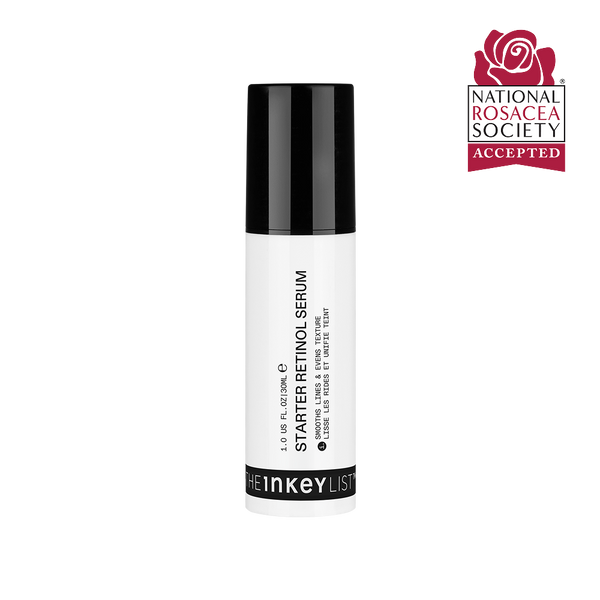
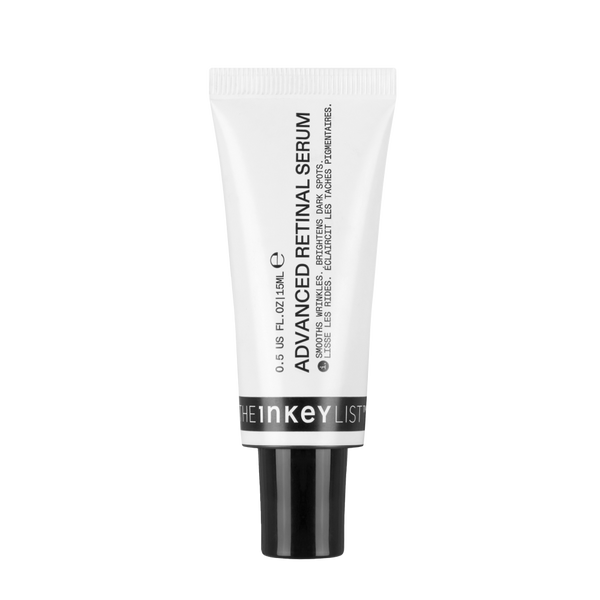
Whether you’re starting with INKEY’s Starter Retinol or using our Advanced Retinal that works up to 11 times faster than standard retinol, proper layering knowledge ensures you maximize benefits while protecting your skin’s health.
At The INKEY List, we believe knowledge empowers better skincare decisions. This comprehensive guide breaks down complex retinol chemistry into practical, actionable guidance. You’ll learn which ingredients to avoid completely, discover powerful combinations that enhance retinol’s benefits, and understand how to structure routines that deliver results without compromising skin health.
This evidence-based approach moves beyond generic rules to help you understand the underlying principles governing safe and effective retinol use. With this foundation, you can make informed decisions about your routine and adapt strategies as your skin’s needs evolve.
Before diving into specific combinations, let’s understand why retinol mixing matters in the first place.
Understanding Retinol: Why Mixing Matters
To master retinol combinations, you must first understand what happens when you apply this ingredient to your skin. Retinol isn’t just another skincare active—it’s a sophisticated vitamin A derivative that triggers a complex cellular conversion process that can be easily disrupted by incompatible ingredients.
When you apply retinol, it doesn’t immediately start working. Instead, it begins a multi-step conversion journey: retinol converts to retinaldehyde (retinal), which then converts to retinoic acid—the biologically active form that delivers benefits like increased cell turnover, collagen production, and improved skin texture. This conversion process makes retinol gentler than prescription tretinoin (which is already in retinoic acid form), but also makes retinol more vulnerable to interference from other ingredients.
This distinction between retinol and retinal becomes crucial for understanding mixing safety. As explained in our comprehensive Retinol vs Retinal guide, retinal is one step closer to the active retinoic acid form, which means it works faster but can also be more potent. Understanding this conversion pathway helps explain why certain ingredients can interfere with retinol’s effectiveness or amplify its irritation potential.
The cellular mechanism behind retinol’s benefits also explains why mixing becomes important. Retinol works by accelerating cell turnover—essentially convincing your skin cells to behave like younger versions of themselves. This increased cellular activity makes your skin more sensitive, more permeable, and more reactive to other ingredients. Your skin’s natural protective barrier becomes temporarily more delicate while retinol performs its renovation work.
pH levels play a critical role in this process, and this is where many mixing mistakes occur. Retinol is most stable and effective at a slightly acidic to neutral pH (around 5.5 to 6.5). When you layer it with highly acidic ingredients like glycolic acid or L-ascorbic acid (vitamin C), you can destabilize the retinol molecule, reducing effectiveness or creating a chemical environment that increases irritation without delivering benefits.
Retinol mixing complexity extends beyond pH compatibility. The timing of cellular renewal matters significantly. Retinol puts your skin cells on an accelerated timeline, pushing them to shed old, damaged layers more quickly and produce fresh, healthy cells. This process creates a temporary state where your skin barrier function is compromised. Adding other potent actives during this vulnerable period can cause structural damage rather than enhancement.
The “retinol purge” that many users experience is a visible manifestation of accelerated cell turnover. Your skin literally brings underlying imperfections to the surface more quickly than usual. While this purge is often normal and temporary, mixing retinol with incompatible ingredients can transform manageable adjustment into painful irritation, prolonged redness, or chemical burns in severe cases.
Understanding these mechanisms helps explain why some logical-seeming combinations actually prove counterproductive. Many people assume retinol and vitamin C work well together since both are beneficial ingredients. However, vitamin C (especially L-ascorbic acid) operates in a much more acidic environment and can oxidize retinol, creating unstable compounds that irritate skin without providing benefits from either ingredient.
This scientific foundation also illuminates why certain ingredients enhance retinol’s benefits. Ingredients like hyaluronic acid and niacinamide don’t interfere with retinol’s conversion pathway—instead, they support the skin barrier while retinol performs cellular renovation. Think of these as scaffolding that keeps your skin protected and hydrated while retinol rebuilds from within.
Retinol mixing isn’t just about avoiding irritation—it’s about creating an environment where retinol can complete its cellular conversion process effectively while keeping your skin barrier healthy and protected. Understanding the science behind retinol helps you make informed decisions about what to combine, what to separate, and what to avoid entirely.
Now that you understand how retinol works, let’s explore which ingredients can interfere with this process.
What NOT to Mix with Retinol: The Complete Avoid List
Understanding which ingredients can sabotage retinol results or cause significant skin irritation forms the foundation of safe retinol use. These incompatible pairings aren’t arbitrary restrictions—they’re based on solid scientific understanding of how different ingredients interact at the molecular level.
Can You Use Retinol and Vitamin C Together? The Science-Based Answer
The most searched retinol question deserves a thorough, evidence-based answer. The issue isn’t that these ingredients are inherently dangerous when combined—it’s that they operate optimally in different pH environments and can destabilize each other when applied simultaneously.
L-ascorbic acid (the most common and potent form of vitamin C) thrives in a highly acidic environment with a pH between 3.0-3.5. Retinol remains stable and effective at a slightly acidic to neutral pH of 5.5-6.5. When layered directly together, you create a pH conflict that can destabilize both ingredients, reducing effectiveness and potentially increasing irritation.
The solution isn’t avoiding both ingredients—it’s using them strategically. The AM/PM approach works effectively: use 15% Vitamin C + EGF Serum in the morning for antioxidant protection and brightening, then apply retinol in the evening during natural skin repair processes. This timing makes biological sense, as vitamin C provides daytime environmental protection while retinol works on overnight cellular renewal.
AHAs and BHAs: The Over-Exfoliation Problem
Alpha hydroxy acids (like glycolic and lactic acid) and beta hydroxy acids (like salicylic acid) are among the most problematic ingredients to mix with retinol, yet they’re commonly combined by well-meaning users. The problem is cumulative over-exfoliation—using multiple exfoliating mechanisms simultaneously can strip your skin barrier faster than it can repair itself.
Retinol works as a cellular exfoliant, accelerating turnover from within. AHAs work as surface exfoliants, dissolving bonds between dead skin cells. BHAs penetrate into pores to exfoliate from within follicles. Using all three mechanisms simultaneously removes far more cellular material than intended and can damage underlying skin structure.
Over-exfoliation signs are unmistakable: persistent redness, burning sensations, increased sensitivity to previously tolerated products, and sometimes a shiny, tight feeling often mistaken for “glowing” skin. If you’re experiencing these symptoms, pause all active ingredients and focus on barrier repair with gentle hydrators and ceramides.
For those wanting both retinol and acids, alternating schedules work well: use Beta Hydroxy Acid (BHA) Serum on Monday, Wednesday, and Friday evenings, then use retinol on Tuesday, Thursday, and Saturday evenings. This provides 24-48 hours recovery between different exfoliation types while maintaining benefits of both ingredients.
Benzoyl Peroxide: The Oxidation Challenge
Benzoyl peroxide presents a unique problem when combined with retinol because it’s a powerful oxidizing agent. While incredibly effective for treating acne by killing bacteria and reducing inflammation, it can chemically deactivate retinol through oxidation, essentially neutralizing both ingredients’ benefits.
This oxidation reaction doesn’t just reduce effectiveness—it can create unstable compounds that increase irritation potential. Many people experiencing severe redness or burning when combining these ingredients assume they’re having allergic reactions, when they’re actually experiencing chemical instability effects.
Strategic timing provides the solution: if you need both ingredients for acne management, use benzoyl peroxide in the morning (where antibacterial effects work throughout the day) and retinol at night (where it focuses on cellular renewal and pore unclogging). Alternatively, alternate these ingredients on different nights, giving each space to work without interference.
Physical Exfoliants: Mechanical Damage Meets Chemical Sensitivity
Physical exfoliants—scrubs, brushes, and textured cleansing tools—become particularly problematic when used with retinol. Retinol already makes skin more sensitive and temporarily thins the outermost skin cell layer. Adding mechanical exfoliation can cause micro-tears, increased redness, and prolonged irritation.
This doesn’t mean never using physical exfoliation while using retinol, but it requires careful consideration. If you choose gentle physical exfoliation, do it on non-retinol nights and opt for very gentle options like soft washcloths or rice-based enzyme powders rather than harsh scrubs with jagged particles.
Hidden Irritants: Fragrance and Essential Oils
Often overlooked in retinol discussions are fragrance and essential oils—ingredients that can compound retinol sensitivity in subtle but significant ways. While these ingredients might not cause obvious irritation alone, they can act as sensitizing agents that make skin more reactive to retinol.
Essential oils like tea tree, peppermint, and citrus oils are particularly problematic because they’re naturally acidic and can contain compounds that increase photosensitivity. When combined with retinol (which already increases sun sensitivity), these ingredients can increase reaction to UV exposure and environmental irritants.
Read ingredient lists carefully and opt for fragrance-free, essential oil-free products during your retinol routine. Simplicity is key when building retinol-compatible routines.
High-Strength Acids: When Concentration Becomes Critical
It’s not just which acids you use with retinol—concentration matters significantly. Even theoretically compatible acids become problematic at high strengths. A 2% salicylic acid serum might be manageable on alternating nights with retinol for some skin types, but a 30% glycolic acid treatment would be too aggressive for most people using retinol regularly.
The general rule: if you’re using retinol consistently (more than twice weekly), avoid acid treatments stronger than 5-10% concentration. Save high-strength treatments for retinol breaks, or use them occasionally (once every 2-3 weeks) with careful attention to skin response.
Understanding incompatible combinations isn’t about limiting skincare options—it’s about using powerful ingredients strategically to maximize benefits while minimizing irritation. The key is patience, observation, and respecting ingredient potency.
While these combinations should be avoided, many ingredients work beautifully alongside retinol.
What You CAN Safely Mix with Retinol: Perfect Pairings
While important ingredients should be avoided with retinol, there’s an extensive range of compatible ingredients that not only work safely alongside retinol but enhance its benefits. These synergistic combinations help you build routines that support your skin barrier while retinol performs its cellular transformation.
Hyaluronic Acid: The Ultimate Hydration Partner
Hyaluronic acid is perhaps the most perfect retinol companion available. This powerful humectant can hold up to 1,000 times its weight in water, providing exactly the deep hydration that retinol-treated skin requires. When retinol accelerates cell turnover, your skin’s natural moisture barrier can become temporarily compromised. Hyaluronic acid provides essential hydration without interfering with retinol’s cellular renewal process.
What makes hyaluronic acid particularly effective for retinol users is its molecular weight versatility. Hyaluronic Acid Serum typically contains multiple molecular weights—smaller molecules penetrate deeply for internal hydration, while larger molecules form protective surface films to prevent water loss.
Application strategy matters: apply hyaluronic acid to slightly damp skin (from hydrating toner or just-patted-dry skin after cleansing), then follow with retinol. The hyaluronic acid creates a hydrating base that actually helps retinol penetrate more effectively while reducing irritation likelihood. This combination particularly benefits those experiencing retinol dryness or flaking.
Niacinamide: Debunking the Compatibility Myth
Let’s address the persistent myth that retinol and niacinamide can’t be used together. This misconception stems from a misunderstood 2007 study suggesting high pH environments could convert niacinamide to niacin (causing flushing). However, this reaction requires very specific conditions that don’t occur in typical skincare formulations or application scenarios.
Retinol and niacinamide are actually complementary ingredients. Niacinamide (vitamin B3) is a barrier-strengthening ingredient that regulates oil production, reduces inflammation, and maintains skin’s natural protective functions—exactly what you want while retinol accelerates cellular turnover. Niacinamide Serum can help minimize initial irritation that new retinol users experience.
Niacinamide also helps with retinol purging by regulating sebum production and reducing inflammation around newly surfaced imperfections. This means you get retinol’s cellular benefits with less uncomfortable adjustment. The combination particularly benefits acne-prone skin, as niacinamide controls oil while retinol prevents pore clogging and improves texture.
For optimal results, apply niacinamide first (typically in lighter serum form), allow absorption for a few minutes, then follow with retinol. This layering ensures both ingredients penetrate effectively without competition.
Ceramides and Peptides: The Barrier Support Team
Ceramides and peptides represent the ultimate support system for retinol users. While retinol works on cellular renewal from within, ceramides and peptides focus on maintaining and strengthening your skin’s protective barrier from outside—perfect division of labor leading to healthier, more resilient skin.
Ceramides are naturally occurring lipids that maintain skin barrier function. When retinol increases cell turnover, ceramides ensure new skin cells have proper barrier support as they mature. Bio-Active Ceramide Moisturizer provides exactly this barrier support, creating environments where retinol can work effectively without compromising skin health.
Peptides complement barrier support by providing cellular communication signals that enhance collagen production and skin repair processes. When combined with retinol’s cellular stimulation, peptides help ensure new cells being produced are healthy, strong, and well-structured.
The beauty of ceramides and peptides is their gentleness—they provide powerful benefits without adding exfoliating or potentially irritating activity. This makes them ideal for layering with retinol, especially for sensitive skin types or those new to retinol use.
Squalane and Natural Oils: Gentle Moisture Without Interference
Natural oils and squalane deserve recognition in retinol routines for providing nourishing moisture without interfering with retinol activity. Unlike some plant oils that can be comedogenic or contain potentially sensitizing compounds, squalane is a lightweight, non-comedogenic oil that mimics skin’s natural sebum.
Squalane particularly benefits retinol users because it provides occlusion (sealing in moisture) without clogging pores or creating barriers that prevent retinol penetration. Applied after retinol, it helps lock in both the retinol and other hydrating products, creating optimal environments for overnight skin repair.
Other compatible oils include rosehip oil (containing natural vitamin A compounds that complement retinol), argan oil (rich in vitamin E and fatty acids), and marula oil (lightweight and fast-absorbing). The key is choosing non-comedogenic oils free from potentially irritating essential oils or fragrances.
Gentle Actives: The Supporting Cast
While strong actives should be avoided with retinol, gentle actives can enhance your routine when used thoughtfully. Low-concentration lactic acid (1-2%) can provide gentle surface exfoliation that complements retinol’s deeper cellular work, but should be used sparingly with careful attention to skin response.
Bakuchiol, a plant-derived retinol alternative, can actually be used alongside traditional retinol for those wanting to enhance routine anti-aging benefits without increasing irritation. While not as potent as retinol, bakuchiol provides additional antioxidant benefits and can support skin during retinol adjustment.
Azelaic acid is another gentle active that can complement retinol, particularly for those dealing with acne or rosacea. Its anti-inflammatory properties can help reduce initial irritation that retinol might cause while providing additional pore-clearing and bacteria-fighting benefits.
SPF: The Non-Negotiable Daytime Partner
While SPF isn’t mixed directly with retinol (since retinol should only be used at night), sun protection is crucial for any retinol discussion. Retinol increases photosensitivity, meaning your skin becomes more susceptible to UV damage and potential pigmentation issues.
Using broad-spectrum SPF or higher daily isn’t just recommended for retinol users—it’s essential. Without proper sun protection, you could end up with more sun damage and pigmentation than you started with, essentially undoing retinol’s benefits.
Building successful retinol combinations means understanding that compatible ingredients work in harmony rather than competition. They support your skin’s health and barrier function while allowing retinol to perform its transformative work safely and effectively.
Knowing what works together is half the battle—now let’s put this into practice with real routines.
Building Your Retinol-Compatible Routine: AM/PM Game Plan
Theory provides foundation, but application creates real transformation. Let’s translate retinol compatibility knowledge into practical, daily routines you can implement immediately. These aren’t generic templates—they’re strategic sequences designed to maximize retinol benefits while maintaining optimal skin health.
Morning Routine: Protection and Preparation
Your morning routine serves two crucial functions when using retinol: protecting newly sensitive skin from environmental damage and creating a healthy foundation for the day ahead. Since retinol increases photosensitivity, your AM routine becomes your shield against UV damage and environmental aggressors.
Step 1: Gentle Cleansing
Start with a gentle, pH-balanced cleanser that won’t strip beneficial oils your skin produced overnight while processing retinol, we suggest our Oat Cleansing Balm. Avoid cleansers with salicylic acid, glycolic acid, or strong sulfates in the morning—your skin needs gentleness, not additional exfoliation.
Step 2: Hydration Layer
Follow cleansing with a hydrating serum like Hyaluronic Acid. This step is particularly crucial for retinol users because increased cell turnover can lead to temporary dehydration. Apply to slightly damp skin for maximum hydration benefit.
Step 3: Vitamin C Protection
This is where strategic timing shines, now apply 15% Vitamin C + EGF Serum. Vitamin C provides antioxidant protection against free radical damage and can help prevent UV-induced pigmentation that retinol-sensitized skin is prone to developing. The EGF (Epidermal Growth Factor) in this formulation also supports skin repair processes that complement retinol’s overnight work.
Step 4: Moisturizer
Choose a lightweight moisturizer that won’t interfere with SPF application but provides adequate barrier support, we suggest Omega Water Cream. Look for ingredients like ceramides or niacinamide that continue supporting your skin throughout the day.
Step 5: SPF - The Non-Negotiable
Apply SPF generously and evenly. This isn’t just about preventing sunburn—it’s about protecting your investment in retinol by preventing UV damage that can counteract its benefits. Reapply every 2 hours if spending extended time outdoors.
Evening Routine: Repair and Renewal
Your evening routine is where retinol takes center stage, supported by ingredients that enhance its benefits while minimizing potential irritation. This is your skin’s repair time, so every product choice should support cellular renewal and barrier maintenance.
Step 1: Thorough Cleansing
Use a double-cleanse method if you’ve worn SPF and makeup. Start with a gentle oil cleanser such as Oat Cleansing Balm to dissolve SPF and makeup, then follow with a water-based cleanser. This ensures skin is completely clean so retinol can penetrate effectively.
Step 2: Hydrating Base
On slightly damp skin, apply your Hyaluronic Acid Serum. This creates a hydrating foundation that actually helps retinol penetrate more effectively while reducing irritation potential. The molecular weight variation in quality hyaluronic acid serums ensures both immediate surface hydration and deeper moisture delivery.
Step 3: Retinol Application
Apply retinol to clean, slightly damp skin (from the Hyaluronic Acid). Start with a pea-sized amount for your entire face, avoiding the immediate eye area unless using a specific eye-area retinol formulation. Pat gently rather than rubbing vigorously.
Step 4: Barrier Support
Follow retinol with a nourishing moisturizer containing ceramides and peptides. Bio Active Moisturizer provides the barrier support your skin needs while retinol works on cellular renewal. The peptides also provide additional anti-aging benefits that complement retinol’s action.
Step 5: Occlusive Seal
For very dry skin or during harsh weather, consider sealing everything in with a few drops of squalane or a gentle facial oil. This creates an occlusive layer that prevents water loss while maintaining retinol’s effectiveness.
Alternating Schedule: For Advanced Users
If you want to incorporate AHAs or BHAs into your routine alongside retinol, an alternating schedule allows you to enjoy benefits of both without over-exfoliating. This approach requires careful observation of skin response and should only be attempted once your skin is fully adjusted to regular retinol use.
Monday, Wednesday, Friday: Acid nights
- Evening routine steps 1-2 remain the same
- Step 3: Apply your chosen acid (like BHA for acne-prone skin)
- Step 4: Follow with ceramide moisturizer
- Step 5: Occlusive layer if needed
Tuesday, Thursday, Saturday: Retinol nights
- Follow the standard evening routine outlined above
- Pay extra attention to hydration and barrier support
Sunday: Recovery night
- Skip all actives
- Focus on gentle hydration and barrier repair
- Consider a nourishing face mask or extra gentle moisturizer
Beginner Timeline: Gradual Introduction Strategy
Starting retinol requires patience and strategic progression. This timeline helps you build tolerance while monitoring skin response at each stage.
Weeks 1-2: Once Weekly
Use retinol only once per week (recommend Sunday nights so you can monitor response during low-stress weekdays). Focus heavily on hydration and barrier support on non-retinol nights.
Weeks 3-4: Twice Weekly
Increase to twice weekly (Sunday and Wednesday nights). Continue monitoring for signs of over-exfoliation: persistent redness, stinging, or increased sensitivity to previously tolerated products.
Weeks 5-6: Every Other Night
If skin is responding well, increase to every other night. This is often the sweet spot for many users—enough frequency for significant benefits without overwhelming the skin.
Weeks 7+: Nightly (If Desired)
Some users can eventually use retinol nightly, but many find every other night provides optimal results with minimal irritation. Listen to your skin rather than forcing a frequency that doesn’t work for your individual tolerance.
Troubleshooting: When Things Go Wrong
Even with careful planning, skin can react unpredictably. Here’s how to address common issues:
If you experience stinging or burning: Reduce frequency immediately and focus on barrier repair with ceramides and gentle hydration. Consider switching to a lower concentration or buffering retinol with moisturizer.
If you develop persistent redness: This might indicate over-exfoliation. Pause all actives for 3-5 days and focus on gentle, fragrance-free moisturizers. Consider whether you’re using other potentially irritating ingredients unknowingly.
If you’re experiencing excessive dryness: Increase hydration steps and consider applying retinol over a thin layer of moisturizer to buffer its intensity. Ensure you’re using an appropriate strength for your skin’s current tolerance level.
Building an effective retinol routine is a marathon, not a sprint. The goal is consistent, long-term use that delivers transformative results without compromising your skin’s health and comfort.
With your routine planned, the final piece is choosing the right retinol strength for your skin’s needs.
Choosing Between Beginner and Advanced Retinol: Finding Your Perfect Match
Selecting the right retinol strength isn’t just about preventing irritation—it’s about matching your skin’s current tolerance level with a formulation that can deliver meaningful results. The difference between successful retinol use and frustrating experience often comes down to this crucial decision. At The INKEY List, we’ve developed two distinct retinol formulations specifically to address different user needs and tolerance levels.
Understanding Your Retinol Readiness
Before product selection, honestly assess where you are in your retinol journey. This isn’t about general skincare experience—it’s specifically about your skin’s history with retinoids and similar actives.
You’re likely a beginner candidate if:
- You’ve never used any form of retinoid consistently
- You have sensitive or reactive skin that tends to respond strongly to new products
- You’ve had negative experiences with other strong actives like high-percentage acids
- You have conditions like rosacea, eczema, or persistent sensitivity
- You’re new to skincare in general and want to start conservatively
- You’re over 50 and new to retinoids (mature skin can be more sensitive to strong actives)
Is this sounds like you, use Starter Retinol Serum
You might be ready for advanced formulations if:
- You’ve used retinol consistently for 6+ months at lower concentrations
- Your skin tolerates acids, peptides, and other actives well
- You’re not seeing desired results from gentler retinol formulations
- You have resilient skin that adapts quickly to new ingredients
- You’re experienced with layering multiple actives safely
- You’re looking for faster, more dramatic results and understand the trade-offs
If this sounds like you, use Advanced Retinal Serum
The Science Behind Our Formulation Approach
Understanding the difference between retinol and retinal is crucial for making the right choice. As detailed in our comprehensive Retinol vs Retinal guide, these aren’t just different concentrations of the same ingredient—they’re different molecules with distinct conversion pathways and timelines.
Traditional retinol requires two conversion steps to become active retinoic acid in your skin: retinol → retinal → retinoic acid. Each conversion step takes time and energy from your skin cells, which is why retinol is generally gentler but also slower to show results.
Retinal, on the other hand, is already one step closer to the active form, requiring only one conversion: retinal → retinoic acid. This proximity to the active form means retinal can work up to 11 times faster than traditional retinol while often being gentler on the skin than you might expect from such efficacy.
Starter Retinol: Perfect for Sensitive Beginnings
Our Starter Retinol contains 1% Granactive Pro+ with 0.01% Retinal, specifically formulated for those who want retinoid benefits without the traditional adjustment period that can be challenging for sensitive or reactive skin types.
This formulation is particularly effective for those with rosacea-prone skin or persistent sensitivity issues. The Granactive Pro+ technology creates a slow-release system that delivers retinoid benefits gradually throughout the night, reducing irritation likelihood while still providing meaningful cellular stimulation.
The 0.01% retinal component provides gentle but effective anti-aging benefits, making this an ideal choice for those who want to start their retinoid journey without risking the redness, peeling, or discomfort that can come with stronger formulations. Many users find they can use this formulation nightly from the beginning, making it perfect for those who want consistent results without complicated introduction schedules.
Starter Retinol is ideal for:
- Sensitive skin types, including those prone to rosacea
- Complete retinoid beginners who want gentle introduction
- Those who’ve had negative experiences with stronger actives
- Users who prefer nightly use without adjustment periods
- Mature skin (50+) starting retinoids for the first time
- Anyone who prioritizes comfort and gradual results over rapid transformation
Advanced Retinal: For Experienced Users Seeking Results
Our Advanced Retinal contains 0.05% Retinal—a significantly higher concentration that works up to 11 times faster than standard retinol formulations. This is for users who understand retinoid science and want to maximize their anti-aging results.
The 0.05% retinal concentration places this product in the “advanced” category not just because of strength, but because of speed and efficacy. Users typically see improvements in skin texture, fine lines, and clarity much faster than with traditional retinol, but this accelerated timeline requires skin that can handle increased cellular activity.
This formulation is particularly effective for addressing established signs of aging, stubborn hyperpigmentation, and texture issues that haven’t responded adequately to gentler retinoid formulations. The faster conversion to active retinoic acid means you’re likely to see meaningful results within 4-6 weeks rather than the 12-16 weeks typically required with lower-strength retinol.
Advanced Retinal is ideal for:
- Experienced retinol users ready to upgrade their routine
- Those who haven’t achieved desired results with gentler formulations
- Users with resilient skin that adapts quickly to actives
- People seeking faster, more dramatic improvements in aging signs
- Those comfortable with monitoring skin response and adjusting usage accordingly
- Users who understand that better results often require a more strategic approach
Progressive Approach: Graduating Between Formulations
For many users, the ideal retinoid journey involves progression from gentler to stronger formulations as skin tolerance builds. This isn’t a requirement—some people find their perfect match in Starter Retinol and use it long-term with excellent results. Others start with Advanced Retinal and find it suits their skin perfectly from the beginning.
However, if you want to maximize long-term results, consider this progression timeline:
Months 1-6: Start with Starter Retinol, building to nightly use and observing how your skin responds to consistent retinoid use.
Months 7-12: If you’re seeing good results but want acceleration, consider transitioning to Advanced Retinal 2-3 times per week while maintaining Starter Retinol on other nights.
Month 12+: Depending on your skin’s response and your result goals, you might transition entirely to Advanced Retinal or maintain a combination approach.
Special Considerations for Product Selection
Age and Skin Maturity: Contrary to popular belief, older skin isn’t automatically ready for stronger retinoids. In fact, mature skin (especially post-menopausal skin) can be more sensitive due to decreased barrier function and slower cellular repair processes. Many users over 50 find better long-term results with gentler formulations used consistently.
Skin Concerns Priority: If your primary concern is prevention and maintenance, Starter Retinol may provide everything you need. If you’re addressing established aging signs, sun damage, or significant texture issues, Advanced Retinal’s faster action may be worth the additional attention required for proper use.
Lifestyle Factors: Consider your stress levels, sleep quality, and overall health when choosing retinoid strength. High-stress periods or compromised health can make skin more reactive to strong actives, even if you’re normally tolerant.
Seasonal Considerations: Many users find it easier to start or increase retinoid strength during cooler months when UV exposure is lower and environmental stressors are reduced.
For specific concerns like scarring and post-acne marks, our dedicated guide Retinol For Scarring And Post Acne Marks provides targeted advice for using retinoids to address these particular issues.
The most important factor in retinoid success isn’t choosing the strongest formulation—it’s choosing the formulation that matches your skin’s current needs and your commitment to consistent use. A gentler retinoid used consistently will always outperform a strong retinoid used sporadically due to irritation or intolerance.
Let’s address the most common questions about retinol mixing to clear up any remaining confusion.
Frequently Asked Questions: Retinol Mixing Myths Busted
Even with comprehensive guidance, retinol mixing continues to generate questions, myths, and misconceptions. Let’s address the most common concerns with clear, science-based answers you can trust and act upon.
Can I use retinol and vitamin C together?
This remains the most searched retinol question, and the confusion is understandable given conflicting information available online. The answer depends entirely on timing and formulation.
The myth: “Never mix retinol and vitamin C—they cancel each other out.”
The reality: Retinol and vitamin C can absolutely be part of the same skincare routine; they just shouldn’t be applied simultaneously.
The issue isn’t toxicity or danger—it’s optimization. Vitamin C (particularly L-ascorbic acid) functions best in a highly acidic environment (pH 3.0-3.5), while retinol remains stable and effective in a slightly acidic to neutral environment (pH 5.5-6.5). When layered together, these pH requirements conflict, potentially destabilizing both ingredients and reducing their effectiveness.
Best approach: Use vitamin C in your morning routine for antioxidant protection and retinol in your evening routine for cellular renewal. This timing also makes biological sense—vitamin C protects against daily environmental damage while retinol works on overnight repair processes.
Exception: Some vitamin C derivatives (like magnesium ascorbyl phosphate) are formulated to be more pH-stable and may be more compatible with retinol, but the AM/PM split remains the safest and most effective approach.
Is retinol and niacinamide safe?
This question stems from an outdated concern that has been largely debunked by modern formulation science and real-world use.
The myth: “Retinol and niacinamide create niacin, causing skin flushing and irritation.”
The reality: Retinol and niacinamide are not only safe together—they’re actually complementary ingredients.
The concern originated from a misunderstood study about niacinamide conversion to niacin under very specific high-pH laboratory conditions that don’t occur in typical skincare formulations or application scenarios. Modern formulations are pH-balanced to prevent any unwanted chemical conversions.
Why they work well together:
- Niacinamide strengthens the skin barrier while retinol accelerates cellular turnover
- Niacinamide’s anti-inflammatory properties can help reduce retinol irritation
- Both ingredients target different aspects of skin aging and acne for comprehensive benefits
- The combination is particularly beneficial for acne-prone skin
Best approach: Apply Niacinamide Serum first (typically in serum form), allow absorption, then apply retinol. This layering order ensures optimal penetration of both ingredients.
What happens if I accidentally mix incompatible ingredients?
Skincare mistakes happen to everyone, and accidentally combining incompatible ingredients isn’t a skincare emergency—but it does require appropriate response.
Immediate signs of problematic mixing:
- Stinging or burning sensation upon application
- Immediate redness that doesn’t subside within 10-15 minutes
- Unusual warmth or tingling that feels different from normal retinol sensation
- Visible irritation or inflammation
What to do immediately:
- Rinse your face gently with lukewarm water to remove the problematic combination
- Apply a gentle, fragrance-free moisturizer to calm the skin
- Avoid any additional actives for 24-48 hours
- Monitor for signs of prolonged irritation or sensitivity
What NOT to do:
- Don’t panic—most mixing mistakes cause temporary irritation rather than lasting damage
- Don’t immediately apply more products to “fix” the situation
- Don’t use harsh cleansers or scrubs to remove the products
- Don’t continue with your normal routine if irritation persists
Recovery approach: Focus on gentle hydration and barrier repair for 2-3 days, then gradually reintroduce your retinol routine at a reduced frequency.
Can I use retinol with AHA/BHA on the same night?
This question highlights the desire to maximize active ingredients, but combining multiple exfoliating mechanisms requires extreme caution.
Short answer: Not recommended for most users, especially retinol beginners.
Why it’s problematic:
- Cumulative over-exfoliation can damage the skin barrier faster than it can repair
- Combining cellular exfoliation (retinol) with chemical exfoliation (acids) often leads to irritation
- The benefits don’t compound—over-exfoliation can actually slow skin improvement
Better approach: Alternate these ingredients on different nights, allowing 24-48 hours between different types of exfoliation. For example, use AHA/BHA on Monday, Wednesday, Friday, and retinol on Tuesday, Thursday, Saturday.
Exception: Very experienced users with resilient skin might tolerate low-concentration acids (1-2%) with retinol occasionally, but this requires careful monitoring and immediate discontinuation if irritation occurs.
How long should I wait between applying different products?
Timing between product applications can significantly impact both safety and effectiveness, particularly with retinol routines.
General rule: Allow 5-10 minutes between each product application to ensure proper absorption and pH stability.
Specific timing guidance:
- Between cleansing and first serum: 2-3 minutes (skin should be slightly damp but not wet)
- Between serums: 5-10 minutes for full absorption
- Between retinol and moisturizer: 10-15 minutes to allow retinol to penetrate properly
- Between acids and other actives: 15-20 minutes to allow pH adjustment
Why timing matters: Each product has an optimal pH for effectiveness. Allowing time between applications lets your skin’s natural pH balance adjust, preventing ingredient interactions and maximizing individual product benefits.
Exception: Some ingredients (like hyaluronic acid) work better applied to damp skin, so adjust timing based on specific product requirements.
Can I use retinol around my eyes?
Eye area retinol use requires special consideration due to the delicate nature of periorbital skin.
The reality: The skin around your eyes is significantly thinner and more sensitive than facial skin, making it more prone to retinol irritation.
Safe approach:
- Start with retinol use only on the broader facial areas for at least 4-6 weeks
- If your face tolerates retinol well, you can carefully introduce it to the eye area
- Use a much smaller amount (literally a grain of rice for both eyes)
- Apply only to the orbital bone area, avoiding the immediate eyelid and under-eye area
- Consider using it only 1-2 times per week around eyes, even if you use it nightly on your face
Alternative: Brighten-i Eye Cream provides targeted eye area benefits without retinol, making it perfect for those who prefer gentler eye care or want to avoid retinol-related sensitivity in this delicate area.
Is it normal for my skin to get worse before it gets better with retinol?
The “retinol purge” is a real phenomenon, but understanding what’s normal versus problematic is crucial for maintaining a successful retinol routine.
Normal retinol adjustment (weeks 2-6):
- Slight increase in breakouts as existing impurities surface faster
- Mild dryness or flaking as cell turnover accelerates
- Temporary sensitivity that improves with continued use
- Gradual improvement in skin texture and clarity
Concerning signs that suggest intolerance or over-use:
- Persistent burning, stinging, or pain
- Severe redness that doesn’t improve after 2 weeks
- Widespread irritation beyond normal adjustment
- Worsening skin condition after 8 weeks of consistent use
Supporting the adjustment period:
- Focus heavily on hydration and barrier support
- Reduce retinol frequency if irritation is significant
- Be patient—real retinol benefits typically become apparent after 8-12 weeks of consistent use
Learn more about What is Skin Purging here.
Can I use retinol if I’m pregnant or breastfeeding?
This is a crucial safety question that requires clear, evidence-based guidance.
Pregnancy: Topical retinol use during pregnancy is generally advised against by dermatologists and obstetricians due to potential concerns about vitamin A derivatives and fetal development. While topical absorption is minimal, the precautionary principle applies.
Breastfeeding: The guidance is similar—while evidence of harm is limited, most healthcare providers recommend avoiding retinoids during breastfeeding as a precautionary measure.
Safe alternatives during pregnancy/breastfeeding:
- Bakuchiol (plant-derived retinol alternative)
- Vitamin C for antioxidant benefits
- Gentle acids like lactic acid in low concentrations
- Peptides and growth factors
- Comprehensive hydration and barrier support
Learn more about Pregnancy Safe Skincare here.
Important: Always consult with your healthcare provider for personalized guidance, as individual circumstances can vary.
The key to successful retinol use isn’t avoiding all potential complications—it’s understanding how to recognize, prevent, and address issues when they arise. With proper knowledge and realistic expectations, retinol can be a transformative addition to virtually any skincare routine.
Armed with this knowledge, you’re ready to build a retinol routine that works for your unique skin.
Conclusion
Understanding which ingredients work safely with retinol—and which don’t—provides the foundation for building effective, transformative skincare routines. With the knowledge you’ve gained, retinol no longer needs to be intimidating or overwhelming. Instead, it becomes a powerful tool you can use confidently to achieve your skin goals.
The key insights from this guide create a clear framework for retinol success:
Essential Avoidance Rules:
- Never combine retinol with AHAs, BHAs, or other exfoliating acids on the same night to prevent over-exfoliation
- Separate vitamin C and retinol into different routines (AM vitamin C, PM retinol) to maintain optimal effectiveness
- Avoid combining retinol with benzoyl peroxide to prevent oxidation reactions
- Skip physical exfoliants on retinol nights to prevent mechanical damage
- Choose fragrance-free, essential oil-free products to minimize sensitization
Powerful Enhancement Combinations:
- Hyaluronic acid provides essential hydration support during cellular renewal
- Niacinamide strengthens barriers while reducing inflammation
- Ceramides create protective environments for optimal retinol function
- Peptides enhance collagen formation while retinol accelerates renewal
- Strategic sunscreen use protects your investment in retinol benefits
The distinction between our Starter Retinol and Advanced Retinal ensures you can choose appropriate strength for your experience level and skin sensitivity. Whether you need the gentle introduction of Starter Retinol or the advanced efficacy of retinal that works 11 times faster, proper layering knowledge ensures optimal results.
Most importantly, successful retinol use relies on consistency, patience, and respect for your skin’s individual response patterns. The cellular renewal process that creates healthier, more resilient skin takes time to manifest, but with proper combining strategies and appropriate product selection, you’re establishing foundation for improvements that will compound over time.
At The INKEY List, our commitment to transparency and education empowers you to make informed decisions about your skincare routine. Understanding the science behind ingredient interactions allows you to build routines that truly benefit your skin rather than simply following trends or marketing claims.
Your retinol journey is unique to your skin’s needs, your lifestyle, and your goals. The knowledge you now possess enables you to adapt and optimize your routine as your skin changes and improves, ensuring long-term success with one of skincare’s most proven and transformative ingredients.
Ready to start your retinol journey safely?
Explore INKEY’s retinol collection and find the perfect strength for your skin. Whether you’re a complete beginner looking for the gentle yet effective Starter Retinol, or ready for the advanced power of our 0.05% Retinal serum that works 11x faster than standard retinol, our knowledge-powered approach ensures you get the results you want without the guesswork.