



Best and Worst Ingredients for Oily Skin: The Complete Guide
Author
Written by one of our askINKEY skincare advisors
Published
28 September, 2022
Your skin’s oil production serves an important protective function – the goal isn’t to eliminate oil entirely, but to achieve the perfect balance. This comprehensive guide cuts through the confusion to reveal which ingredients actually regulate oil production and which ones can make your skin worse.
What you’ll discover in this evidence-based guide:
- The science behind what causes oily skin and excess sebum production
- 4 clinically-proven ingredients that control oil without over-drying: niacinamide, salicylic acid, dioic acid, and omega fatty acids
- The worst ingredients that trigger more oil production and damage skin barriers
- A complete morning and evening routine with specific INKEY List product recommendations
- How to build an effective routine gradually and safely to avoid irritation
- Expert tips for long-term oil control and balanced skin health
Whether you’re new to treating oily skin or looking to optimize your current routine, this guide provides evidence-based solutions using ingredients at concentrations that deliver real results. Transform your understanding of oily skin management and discover how to work with your skin’s natural processes rather than against them.
Ready to get started? Here are the key INKEY List products that will feature throughout this guide:
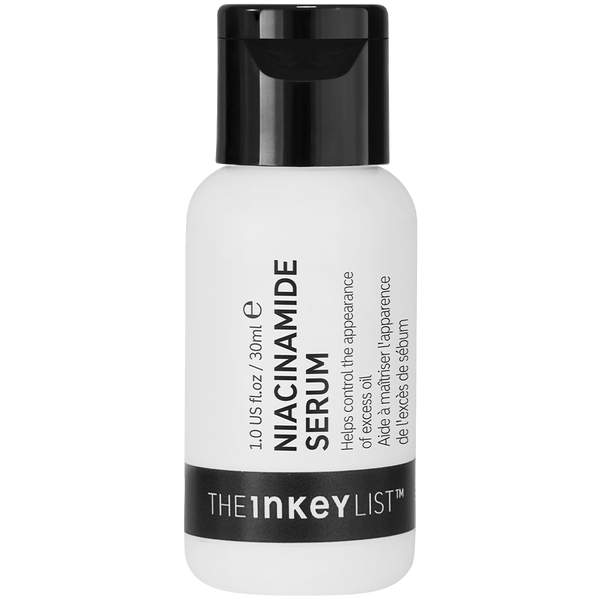
- Niacinamide Serum for oil control
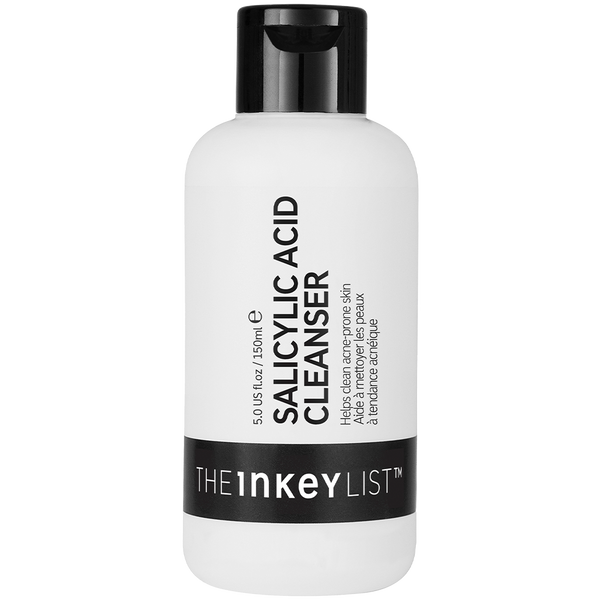
- Salicylic Acid Cleanser for pore clarity
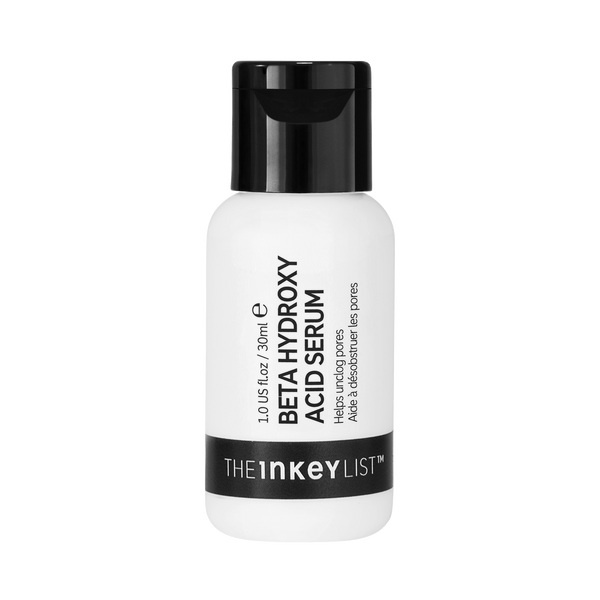
- Beta Hydroxy Acid Serum for targeted blackhead treatment
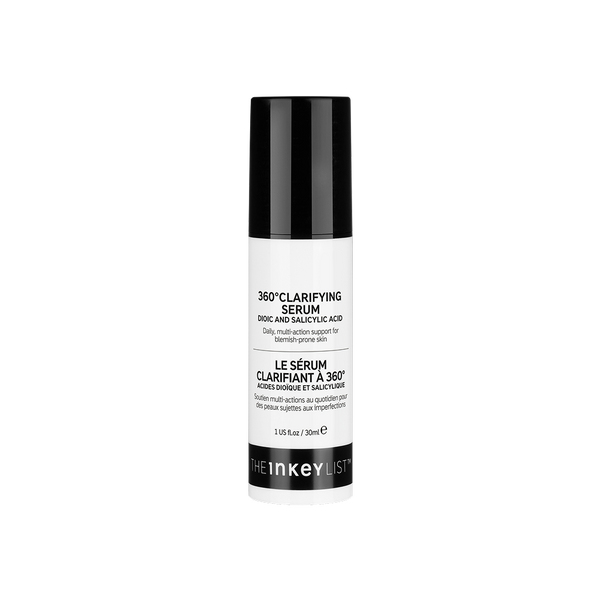
- 360° Skin Clearing Serum for comprehensive breakout management
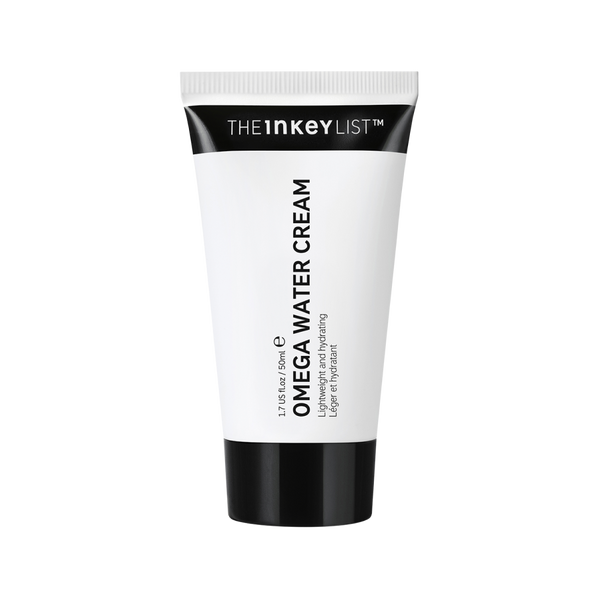
- Omega Water Cream for lightweight hydration
What Causes Oily Skin?
Understanding why your skin produces excess oil is the first step toward managing it effectively. Many people approach oily skin with the wrong mindset – viewing oil production as something to eliminate entirely rather than balance. This misconception often leads to harsh treatments that actually worsen the problem.
Your sebaceous glands produce sebum, a natural oil that serves several crucial functions. Sebum acts as your skin’s built-in moisturizer, creating a protective barrier that prevents water loss and shields against environmental pollutants. It also has antimicrobial properties that help defend against harmful bacteria. The issue isn’t that your skin produces oil – it’s when production goes into overdrive.
Several factors contribute to excessive sebum production. Genetics play the primary role – if your parents had oily skin, you’re likely predisposed to it as well. Your genetic code determines the size and activity level of your sebaceous glands, which directly impacts how much oil your skin produces. This is why some people naturally have dry skin while others struggle with excess oil regardless of their skincare routine.
Hormonal fluctuations represent another major trigger for increased oil production. During puberty, pregnancy, menstruation, and periods of stress, hormones like androgens stimulate sebaceous glands to produce more sebum. This explains why many people experience oily skin and breakouts during these times, even if their skin was previously well-balanced.
Age also influences oil production patterns. Interestingly, sebum production typically peaks during the teenage years and gradually decreases with age. However, hormonal changes during menopause can sometimes trigger a resurgence of oily skin in people who thought they’d outgrown it decades earlier.
Environmental factors significantly impact your skin’s oil production as well. Hot, humid climates stimulate sebaceous glands to produce more oil, while cold, dry environments can initially seem to reduce oiliness. However, when skin becomes dehydrated in harsh conditions, it often overcompensates by producing even more oil – a phenomenon many people don’t realize is happening.
Perhaps most importantly, your skincare habits directly influence oil production. This is where many people unknowingly make their oily skin worse. Using harsh, alcohol-based toners or over-cleansing strips away the skin’s natural protective barrier. When this happens, your skin perceives it’s under attack and responds by ramping up oil production to restore protection. It’s a vicious cycle that leaves skin both oily and irritated.
The dehydration-oil connection is crucial to understand. Many people with oily skin avoid moisturizers, thinking they’ll make the problem worse. In reality, when skin lacks proper hydration, it compensates by producing excess sebum. This is why properly formulated lightweight moisturizers are essential for oily skin – they provide the hydration your skin needs without adding unnecessary heaviness.
Certain lifestyle factors can also exacerbate oily skin. High-glycemic foods, dairy products, and chronic stress have all been linked to increased sebum production in some individuals. While diet doesn’t affect everyone’s skin equally, paying attention to these potential triggers can provide valuable insights into your skin’s unique patterns.
Understanding stress’s impact on your skin reveals another important connection. When you’re stressed, your body produces cortisol, which can stimulate oil production and inflammation. This explains why many people notice their skin becomes more oily and prone to breakouts during particularly stressful periods of life.
Seasonal changes affect oil production as well. Many people find their skin becomes oilier during summer months due to increased heat and humidity, while winter’s dry air can trigger the dehydration-overproduction cycle mentioned earlier. Recognizing these patterns allows you to adjust your routine seasonally for optimal results.
The key insight here is that sebum production exists on a spectrum – from too little (leading to dry, flaky skin) to too much (creating oily skin and potential breakouts). The goal isn’t to eliminate oil production entirely but to find the sweet spot where your skin produces just enough sebum to stay healthy and protected without becoming visibly oily or prone to clogged pores.
Modern skincare science has identified several ingredients that can help regulate this balance without disrupting your skin’s natural protective functions. These ingredients work by supporting your skin barrier, providing appropriate hydration, and gently encouraging healthy cell turnover – all of which signal to your sebaceous glands that they don’t need to work overtime.
Now that we understand what causes oily skin, let’s explore the ingredients that can actually help balance oil production and improve your skin’s appearance.
The Best Ingredients for Oily Skin
When it comes to managing oily skin effectively, the secret lies in choosing ingredients that regulate oil production rather than stripping it away entirely. The most effective ingredients work by supporting your skin’s natural barrier function, providing appropriate hydration, and encouraging healthy cellular processes that naturally balance sebum production.
Modern skincare science has identified several powerhouse ingredients that excel at managing oily skin without causing the irritation and over-drying that can actually worsen oil production. These ingredients have been extensively studied and proven effective in clinical trials, giving you confidence that they’ll deliver real results when used consistently and correctly.
The four core ingredients that form the foundation of effective oily skin management are niacinamide, salicylic acid, dioic acid, and omega fatty acids. Each brings unique benefits to the table, and when used together strategically, they create a comprehensive approach to oil control that addresses multiple aspects of oily skin concerns.
Niacinamide
This stands out as perhaps the most versatile ingredient for oily skin. This form of vitamin B3 has been clinically proven to reduce sebum production by up to 30% when used consistently over 8-12 weeks. What makes niacinamide particularly valuable is its gentle nature – unlike some active ingredients that can cause irritation during the adjustment period, niacinamide is well-tolerated by most skin types, including sensitive skin.
Salicylic acid
A different, but complementary approach. As the only oil-soluble beta hydroxy acid commonly used in skincare, salicylic acid can penetrate deep into pores to clear out the mixture of oil, dead skin cells, and debris that leads to blackheads and breakouts. Its anti-inflammatory properties also help calm existing blemishes while preventing new ones from forming.
Dioic acid
This represents the newest frontier in oily skin treatment. This innovative ingredient works at multiple stages of the breakout process – regulating oil production, treating active blemishes, and helping fade post-blemish marks. While it’s been used in professional dermatology treatments for years, it’s only recently become available in over-the-counter formulations.
Omega fatty acids
This might seem counterintuitive for oily skin, but they play a crucial role in maintaining healthy skin barrier function. When your skin barrier is compromised, it triggers increased oil production as a protective response. By supporting barrier health with the right types of fatty acids, you can actually reduce oil production while ensuring your skin stays properly hydrated.
These ingredients work synergistically when combined thoughtfully in a routine. For example, salicylic acid clears pores and prepares skin to better absorb other treatments, while niacinamide regulates oil production and reduces inflammation. Dioic acid provides advanced treatment for stubborn blemishes, and omega fatty acids ensure your skin barrier remains healthy throughout the treatment process.
The concentration of these ingredients matters significantly. Too little and you won’t see meaningful results; too much can cause irritation that actually worsens oily skin. Professional-grade formulations strike the right balance, providing effective concentrations that deliver results without compromising skin health.
Timing and application order also influence how well these ingredients perform. Water-based serums should generally be applied to clean skin before heavier treatments, while oil-based products work best as the final step to seal in other treatments. Understanding these nuances helps you get maximum benefit from each ingredient.
One common mistake people make when treating oily skin is using too many active ingredients at once or introducing them too quickly. This can overwhelm the skin and cause irritation that triggers increased oil production – exactly the opposite of what you’re trying to achieve. A gradual, methodical approach yields better long-term results.
Consistency proves more important than intensity when it comes to managing oily skin. Using gentle, effective ingredients daily will outperform harsh treatments used sporadically. This is why building a sustainable routine with products you actually enjoy using is so crucial for long-term success.
With these powerhouse ingredients in mind, let’s dive into each one to understand exactly how they benefit oily skin.
Niacinamide for Oily Skin
Niacinamide has earned its reputation as the gold standard ingredient for oily skin management, and for good reason. This powerful form of vitamin B3 offers a unique combination of oil control, pore refinement, and barrier support that makes it ideal for anyone struggling with excess sebum production.
The science behind niacinamide’s effectiveness is impressive and well-documented. Multiple clinical studies have demonstrated that topical niacinamide significantly reduces sebum production when used consistently over 8-12 weeks. In one landmark study published in the Journal of Cosmetic and Laser Therapy, participants using 2% niacinamide experienced a 30% reduction in sebum production compared to placebo groups.
But niacinamide’s benefits extend far beyond simple oil control. This versatile ingredient works at the cellular level to regulate sebaceous gland activity, helping normalize oil production rather than simply stripping it away. This approach prevents the rebound oiliness that often occurs with harsh treatments that over-dry the skin.
Niacinamide’s pore-minimizing effects represent another major benefit for oily skin. While you can’t actually change the size of your pores (they’re determined by genetics), niacinamide helps reduce their appearance by regulating oil flow and supporting healthy skin elasticity around pore openings. Many people notice their pores appear smaller and less noticeable after 4-6 weeks of consistent niacinamide use.
The ingredient’s anti-inflammatory properties make it particularly valuable for oily skin that’s also prone to breakouts and redness. Niacinamide helps calm inflammatory responses that can worsen both oil production and blemish formation. This dual action – reducing oil while calming inflammation – makes it an excellent choice for sensitive oily skin.
What sets niacinamide apart from other active ingredients is its remarkable tolerance profile. Unlike some acids or retinoids that can cause irritation during the adjustment period, niacinamide is gentle enough for twice-daily use from the very first application. This makes it an excellent entry-point ingredient for people new to treating oily skin or those with sensitive skin who need to be cautious with active ingredients.
Niacinamide also plays well with other ingredients, making it easy to incorporate into existing routines. It can be layered with salicylic acid, used alongside vitamin C, and combined with moisturizers without causing conflicts or reducing efficacy. This compatibility makes it a versatile building block for comprehensive oily skin management.
The optimal concentration for oily skin typically ranges from 2-10%, with most people seeing excellent results at 5-10% concentrations. Lower concentrations (2-5%) work well for sensitive skin or as part of combination products, while higher concentrations (10%) provide more intensive oil control for very oily skin types.
The INKEY List offers niacinamide in two different formulations, allowing you to customize your approach based on your specific needs and preferences. The Niacinamide Serum provides a concentrated 10% dose for targeted oil control, making it ideal for use on particularly oily areas like the T-zone or as an all-over treatment for very oily skin.
For those who prefer a more gentle introduction to niacinamide or want oil control built into their moisturizing step, the Omega Water Cream contains 5% niacinamide alongside omega fatty acids and ceramides. This combination provides oil control while supporting barrier function and hydration – addressing multiple oily skin concerns in one step.
Application timing can influence niacinamide’s effectiveness. Many people achieve best results using niacinamide twice daily – morning and evening – on clean skin before applying other treatments or moisturizers. The morning application helps control oil production throughout the day, while evening use supports overnight skin repair and regulation processes.
Results with niacinamide typically follow a predictable timeline. Initial improvements in skin texture and reduced shine often become noticeable within 1-2 weeks of consistent use. Significant oil reduction and pore appearance improvements usually develop over 4-8 weeks, with maximum benefits typically achieved after 12 weeks of regular use.
One of niacinamide’s most appealing qualities for long-term use is that it continues to provide benefits with ongoing use rather than losing effectiveness over time. Many people find that niacinamide becomes a permanent staple in their routines because it provides consistent, reliable oil control without the side effects associated with harsher treatments.
Understanding how to layer niacinamide with other treatments maximizes its effectiveness. As a water-based serum, niacinamide should typically be applied after cleansing and before heavier creams or oils. When using multiple serums, apply niacinamide before more occlusive treatments to ensure proper absorption.
While niacinamide excels at oil control, salicylic acid takes a more direct approach to clearing congestion and preventing breakouts.
Salicylic Acid (BHA) for Oily Skin
Salicylic acid represents one of the most effective tools in the oily skin management arsenal, offering unique properties that make it particularly well-suited for addressing the challenges that come with excess oil production. As the only oil-soluble beta hydroxy acid commonly used in skincare, salicylic acid can penetrate deep into oil-filled pores to provide thorough cleansing and exfoliation that water-soluble ingredients simply can’t achieve.
The oil-soluble advantage of salicylic acid cannot be overstated when it comes to treating oily skin. While alpha hydroxy acids like glycolic and lactic acid work primarily on the skin’s surface, salicylic acid can dissolve in the oil that fills pores, allowing it to penetrate deep into follicles where it can break down the mixture of oil, dead skin cells, and debris that leads to blackheads and clogged pores.
This deep-penetrating action makes salicylic acid particularly effective for preventing and treating blackheads, which are essentially oxidized plugs of oil and dead skin cells trapped in pores. Regular use of salicylic acid helps keep pores clear by continuously dissolving these plugs before they can form or worsen existing ones.
Salicylic acid’s anti-inflammatory properties provide additional benefits for oily skin that’s prone to breakouts. The ingredient helps calm the inflammatory response that occurs when pores become clogged, reducing redness and swelling associated with blemishes. This anti-inflammatory action also helps prevent the post-inflammatory hyperpigmentation that can occur after breakouts heal.
The gentle exfoliating action of salicylic acid promotes healthy cell turnover without the harsh scrubbing that can irritate oily skin and trigger increased oil production. By encouraging the natural shedding of dead skin cells, salicylic acid helps prevent the buildup that can clog pores while revealing smoother, more refined skin texture.
Concentration and formulation matter significantly with salicylic acid. Most effective over-the-counter formulations contain 0.5-2% salicylic acid, with 2% being the maximum concentration allowed in most countries for leave-on products. Higher concentrations aren’t necessarily better and can cause irritation that actually worsens oily skin concerns.
The INKEY List offers three different salicylic acid formulations, each designed for specific aspects of oily skin management. This comprehensive approach allows you to incorporate salicylic acid at multiple steps in your routine for maximum effectiveness.
The foundation: Salicylic Acid Cleanser provides 2% salicylic acid combined with zinc PCA in a gentle, daily-use cleanser. This formulation serves as the perfect foundation for any oily skin routine, providing pore-clearing action twice daily without over-drying or stripping the skin. The zinc PCA offers additional oil-control benefits while supporting the skin barrier.
Using a salicylic acid cleanser creates the ideal environment for other treatments to work more effectively. By keeping pores clear and removing excess oil and debris, the cleanser prepares your skin to better absorb subsequent serums and treatments. Many people notice improved effectiveness from their entire routine when they build it on this foundation.
For targeted treatment: Beta Hydroxy Acid Serum combines 2% salicylic acid with 1% hyaluronic acid to provide intensive treatment for blackheads and congested pores. The lightweight serum texture allows for easy application to specific areas of concern, while the added hyaluronic acid prevents the dryness that can sometimes occur with acid treatments.
This serum works particularly well for spot-treating stubborn blackheads or areas that tend to get congested easily, such as the nose, chin, and forehead. The hyaluronic acid component ensures that your skin stays properly hydrated during the exfoliation process, preventing the irritation that can occur when skin becomes too dry.
For comprehensive treatment: 360° Skin Clearing Serum represents the most advanced approach, combining 2% salicylic acid with 1% dioic acid and 0.4% dendriclear. This multi-active formulation addresses all stages of the breakout process – prevention, treatment, and recovery – in one powerful serum.
The synergistic combination in the 360° Skin Clearing Serum makes it particularly effective for oily skin that’s also prone to frequent breakouts or persistent blemishes. The salicylic acid provides pore-clearing action, while dioic acid regulates oil production and treats active blemishes, and dendriclear helps with redness reduction and skin rebalancing.
Strategic layering of multiple BHA products can provide enhanced results for very oily or congested skin. Using the Salicylic Acid Cleanser twice daily provides consistent pore maintenance, while adding either the Beta Hydroxy Acid Serum or 360° Skin Clearing Serum provides targeted treatment for specific concerns.
Timing and application techniques influence salicylic acid’s effectiveness. For leave-on treatments, apply to clean, dry skin and allow a few minutes for absorption before applying other products. This ensures the acid has time to penetrate pores and begin working before being diluted or blocked by other products.
Most people can start using salicylic acid daily, but those with sensitive skin should begin gradually – perhaps every other day initially – to allow their skin to adjust. Unlike some acids that require extensive adjustment periods, salicylic acid is generally well-tolerated from the beginning, especially in properly formulated products.
Results with salicylic acid often become noticeable quickly. Many people see improvements in blackheads and overall skin texture within 1-2 weeks of consistent use. Continued use over 4-8 weeks typically reveals more significant improvements in pore appearance and overall skin clarity.
One important consideration with salicylic acid is sun sensitivity. While BHAs generally cause less photosensitivity than AHAs, it’s still important to use proper sun protection when using any exfoliating acid. This is particularly crucial for oily skin, which may be more prone to post-inflammatory hyperpigmentation if exposed to UV damage during the healing process.
Building on salicylic acid’s pore-clearing power, our next breakthrough ingredient takes breakout treatment to the next level.
Dioic Acid: The Next-Generation Breakout Fighter
Dioic acid represents one of the most exciting advances in oily skin treatment to become available in over-the-counter skincare. This innovative ingredient has been quietly revolutionizing professional dermatology treatments for years, and its introduction into accessible formulations marks a significant breakthrough for anyone struggling with persistent oily skin and breakouts.
What makes dioic acid unique is its comprehensive approach to breakout management. While many ingredients address only one aspect of oily skin – either oil control, active treatment, or post-blemish care – dioic acid works effectively at all three stages of the breakout cycle. This multi-functional approach makes it particularly valuable for people whose oily skin concerns extend beyond simple excess oil to include recurring blemishes and post-blemish marks.
The science behind dioic acid’s effectiveness centers on its ability to regulate sebaceous gland function at the cellular level. Research published in dermatology journals has demonstrated that dioic acid can significantly reduce sebum production while simultaneously providing antimicrobial activity against acne-causing bacteria. This dual action helps prevent new breakouts while treating existing ones.
At the prevention stage, dioic acid works by normalizing keratinization – the process by which skin cells mature and shed. When this process becomes irregular (often due to hormonal fluctuations or genetic factors), dead skin cells can accumulate and mix with oil to form the plugs that lead to blackheads and eventually inflamed breakouts. Dioic acid helps regulate this process, reducing the likelihood of pore blockages forming in the first place.
During active breakout treatment, dioic acid’s antimicrobial properties come into play. The ingredient has been shown to be effective against Propionibacterium acnes, the bacteria that contributes to inflammatory acne. Unlike some harsh antibacterial treatments that can disrupt the skin’s beneficial bacteria, dioic acid provides targeted activity that helps reduce bacterial populations without causing widespread microbiome disruption.
Perhaps most impressively, dioic acid also aids in post-blemish recovery by helping to reduce the appearance of marks and discoloration that can linger after breakouts heal. This action helps prevent the accumulation of post-inflammatory hyperpigmentation that can make oily skin appear uneven and damaged over time.
The gentleness of dioic acid sets it apart from many traditional acne treatments. While ingredients like benzoyl peroxide or high-concentration salicylic acid can cause significant dryness and irritation, dioic acid provides powerful results with minimal side effects. This makes it particularly suitable for people with sensitive oily skin who need effective treatment without harsh side effects.
Dioic acid’s compatibility with other ingredients makes it an excellent addition to comprehensive oily skin routines. It works synergistically with salicylic acid to provide enhanced pore-clearing and oil control, while its gentle nature allows it to be combined with niacinamide and other soothing ingredients without causing conflicts.
The INKEY List’s 360° Skin Clearing Serum features dioic acid at 1% concentration – the optimal level for delivering maximum benefits without irritation. This concentration has been clinically tested and proven effective for reducing both oil production and breakout frequency while maintaining skin comfort.
The formulation of the 360° Skin Clearing Serum represents a thoughtful approach to comprehensive breakout management. In addition to 1% dioic acid, it contains 2% salicylic acid for pore-clearing action and 0.4% dendriclear for additional redness reduction and skin rebalancing. This combination addresses multiple pathways involved in oily skin and breakout formation.
Application of dioic acid is straightforward but strategic timing can enhance its effectiveness. The 360° Skin Clearing Serum works well as a morning treatment, providing all-day protection against breakout formation while controlling oil production. Its lightweight, fast-absorbing texture makes it suitable for layering under other products without feeling heavy or greasy.
Results with dioic acid typically follow a progressive pattern. Many people notice reduced oil production and fewer new breakouts within 2-3 weeks of consistent use. Improvements in existing blemishes often become apparent within the first week, while reductions in post-blemish marks typically develop over 4-8 weeks of continued use.
The long-term benefits of dioic acid extend beyond immediate breakout treatment. Regular use helps establish healthier patterns of oil production and cellular turnover, leading to sustained improvements in skin clarity and texture. Many users find that their skin becomes less reactive and prone to breakouts over time with consistent dioic acid use.
Professional dermatologists have long recognized dioic acid’s potential, using it in clinical treatments for patients with persistent acne and oily skin concerns. The availability of this ingredient in over-the-counter formulations brings professional-level treatment options to people who may not have access to dermatological care or prefer to manage their skin concerns at home.
Dioic acid represents the future of intelligent skincare – ingredients that work with your skin’s natural processes to restore balance rather than simply suppressing symptoms. This approach leads to more sustainable results and healthier skin over the long term.
With these powerful active ingredients covered, there’s one more crucial element that brings everything together for optimal oily skin management.
Omega Fatty Acids: The Lightweight Hydration Heroes
The relationship between hydration and oil production represents one of the most misunderstood aspects of oily skin care. Many people with oily skin have been taught to avoid anything that might add moisture to their skin, fearing it will make oiliness worse. In reality, proper hydration with the right ingredients is crucial for regulating oil production and maintaining healthy skin function.
Omega fatty acids – specifically omega 3, 6, and 9 – provide the perfect solution for oily skin’s hydration needs. These essential fatty acids support skin barrier function, regulate inflammatory responses, and actually help normalize oil production when used in properly formulated products. Understanding how these nutrients work reveals why they’re indispensable for anyone serious about managing oily skin effectively.
The skin barrier science behind omega fatty acids explains their importance for oily skin. Your skin’s barrier consists of skin cells held together by a matrix of lipids, including ceramides, cholesterol, and fatty acids. When this barrier becomes compromised – whether through harsh products, environmental stress, or genetic factors – it triggers a cascade of responses that often includes increased oil production.
Think of your skin barrier as a brick wall, with skin cells as the bricks and lipids as the mortar holding them together. When the mortar becomes damaged or depleted, the wall loses its structural integrity and protective function. Your skin responds by producing more oil to try to restore protection, but without proper barrier lipids, this oil often just sits on the surface rather than providing effective barrier support.
Omega 3 fatty acids, particularly EPA and DHA, provide powerful anti-inflammatory benefits that help calm the inflammatory responses often associated with oily skin and breakouts. These fatty acids help regulate cytokine production and reduce the inflammatory cascades that can worsen both oil production and blemish formation.
Omega 6 fatty acids, especially linoleic acid, play a crucial role in maintaining barrier function and regulating sebaceous gland activity. Interestingly, people with acne-prone and oily skin often have lower levels of linoleic acid in their sebum, which may contribute to comedogenic (pore-clogging) properties and increased breakout formation. Topical application of omega 6 fatty acids helps restore this balance.
Omega 9 fatty acids, primarily oleic acid in skincare formulations, provide emollient properties that help smooth and soften skin without heaviness. These fatty acids also support the skin’s natural repair processes and help maintain flexibility and comfort.
The dehydration-overproduction cycle explains why omega fatty acids are so effective for oily skin management. When skin lacks proper hydration, it often compensates by increasing oil production. However, this compensatory oil production is typically of poor quality – higher in comedogenic components and lower in beneficial fatty acids that support barrier function.
By providing appropriate hydration through omega fatty acids and other barrier-supporting ingredients, you signal to your skin that it doesn’t need to overproduce oil for protection. This leads to more balanced, regulated oil production that serves its protective function without creating the excessive shine and clogged pores associated with problematic oily skin.
Ceramide complexes work synergistically with omega fatty acids to restore and maintain barrier function. Ceramides are naturally occurring lipids that make up a significant portion of the skin barrier matrix. When formulated together with omega fatty acids, they create a comprehensive approach to barrier repair and maintenance.
The INKEY List’s Omega Water Cream exemplifies the intelligent use of omega fatty acids for oily skin. This innovative formulation contains a 0.2% ceramide complex rich in omega 3, 6, and 9 fatty acids, providing comprehensive barrier support in a lightweight, water-like texture that absorbs instantly without heaviness or greasiness.
The unique texture of Omega Water Cream addresses one of the main concerns people with oily skin have about moisturizers – the fear of adding heaviness or greasiness to already oily skin. The water-cream technology creates a formulation that feels as light as a serum but provides the nourishing benefits of a traditional moisturizer.
Additional hydration support in the Omega Water Cream comes from 5% glycerin and 3% betaine, which provide multi-level hydration without heaviness. Glycerin attracts moisture from the environment and helps maintain skin hydration throughout the day, while betaine supports cellular hydration and helps skin maintain its moisture balance even in challenging environments.
The dual benefit of oil control and hydration makes Omega Water Cream unique among moisturizers for oily skin. In addition to the omega fatty acid complex, the formula contains 5% niacinamide for additional oil regulation. This combination addresses both the need for appropriate hydration and specific oil-control benefits in one streamlined step.
Application techniques can maximize the benefits of omega fatty acid treatments. Apply Omega Water Cream to slightly damp skin to enhance absorption and hydration benefits. The water-cream texture spreads easily and absorbs quickly, making it suitable for morning use under makeup or evening use as the final step in your skincare routine.
Seasonal adjustments may be necessary when using omega fatty acid treatments. During humid summer months, you may find that a small amount provides sufficient hydration, while dry winter conditions may require more generous application or additional hydrating steps.
Results with omega fatty acids often include improved skin texture and comfort within 1-2 weeks, with more significant improvements in oil balance and barrier function developing over 4-6 weeks. Many people notice that their skin feels more comfortable and looks more balanced, with less of the tight-then-oily cycle that characterizes compromised barrier function.
Long-term benefits of omega fatty acid use include improved skin resilience, better tolerance of active treatments, and more stable oil production patterns. Many people find that incorporating appropriate barrier support allows them to use more effective active ingredients without irritation while achieving better overall results.
Now that we’ve covered the heroes of oily skincare, let’s examine the ingredients that can actually make oily skin worse.
The Worst Ingredients for Oily Skin
Understanding which ingredients to avoid is just as important as knowing which ones to embrace when managing oily skin. Many well-intentioned skincare choices can actually worsen oil production, trigger breakouts, or compromise your skin barrier in ways that create more problems than they solve. By learning to identify these problematic ingredients, you can make informed decisions that support your skin’s health rather than undermining it.
Heavy, comedogenic oils top the list of ingredients to approach with caution when you have oily skin. While not all oils are problematic for oily skin, certain ones have a high likelihood of clogging pores and exacerbating breakouts. Coconut oil, despite its popularity in natural skincare, scores 4 out of 5 on the comedogenic scale, meaning it’s highly likely to clog pores and worsen oily skin concerns.
The comedogenic scale provides a useful framework for understanding which ingredients are likely to cause problems for oily skin. This scale rates ingredients from 0 (non-comedogenic) to 5 (highly comedogenic) based on their likelihood to clog pores. While individual skin reactions can vary, ingredients that score 3 or higher should generally be avoided by people with oily, acne-prone skin.
Other problematic oils include cocoa butter (comedogenic rating of 4), wheat germ oil (rating of 5), and coconut butter (rating of 4). These ingredients are often found in natural or “clean” skincare products, where they’re marketed as beneficial for all skin types. However, their heavy, occlusive nature and high comedogenic potential make them unsuitable for oily skin management.
Alcohol denat and other harsh astringents represent another category of ingredients that can worsen oily skin over time. While these ingredients may provide immediate satisfaction by removing oil and creating a temporarily matte finish, they ultimately damage the skin barrier and trigger increased oil production as a compensatory response.
The alcohol trap is particularly common in products marketed specifically for oily skin. Alcohol denat (denatured alcohol) strips away natural oils and can initially make skin feel clean and oil-free. However, this aggressive removal of the skin’s natural protective barrier signals to sebaceous glands that they need to produce more oil to restore protection.
This creates a vicious cycle where the temporary oil reduction leads to increased long-term oil production, often leaving skin both oily and irritated. The damaged barrier also becomes more susceptible to environmental irritants and bacteria, potentially leading to increased breakouts and sensitivity.
Fragrances and essential oils pose particular challenges for oily skin that’s often already dealing with inflammation and sensitivity. Many essential oils are naturally irritating and can trigger inflammatory responses that worsen both oil production and breakout formation. Even when these ingredients don’t cause obvious irritation, they can create low-level inflammation that compromises skin function over time.
Common problematic essential oils for oily skin include citrus oils (lemon, orange, lime), which are photosensitizing and can cause increased sensitivity and pigmentation issues. Peppermint and eucalyptus oils, while cooling and seemingly beneficial for oily skin, can cause irritation that triggers inflammatory responses and worsens oil production.
Synthetic fragrances present similar concerns, with the added complication that manufacturers aren’t required to disclose the specific components that make up their fragrance blends. This makes it difficult to identify which specific ingredients might be causing problems, leading many dermatologists to recommend fragrance-free products for anyone with sensitive or problematic skin.
Over-exfoliating ingredients and combinations can turn beneficial treatments into skin barriers. While ingredients like glycolic acid, salicylic acid, and retinoids can be excellent for oily skin when used appropriately, using them in excessive concentrations or combinations can compromise the skin barrier and trigger the dehydration-overproduction cycle.
High-percentage acid combinations are particularly problematic. Some products combine multiple acids – such as glycolic acid, salicylic acid, and lactic acid – in high concentrations that can cause significant irritation. While the immediate exfoliating effects might seem beneficial, over-exfoliation often leads to increased oil production, sensitivity, and breakouts.
The wrong types of physical exfoliants can also worsen oily skin concerns. Harsh scrubs with irregular particles (like crushed walnut shells) can create microscopic tears in the skin that lead to irritation and bacterial entry. Even regular physical exfoliation can be problematic for oily skin that’s already dealing with inflammation from breakouts.
Silicones in heavy formulations can create problems for some people with oily skin, particularly when used in excessive amounts or inappropriate formulations. While lightweight silicones can be beneficial for oily skin, heavy silicone-based products can create an occlusive layer that traps oil, bacteria, and debris beneath the surface.
Certain types of silicones are more problematic than others. Dimethicone and cyclopentasiloxane in lightweight formulations are generally well-tolerated, but heavy, occlusive silicone blends can contribute to clogged pores and breakouts in susceptible individuals.
Mineral oil and petrolatum in heavy formulations can also be problematic for oily skin, despite being technically non-comedogenic. While these ingredients don’t directly clog pores, their occlusive nature can trap oil and bacteria on the skin surface, potentially contributing to breakout formation in people who are already prone to congestion.
The importance of reading ingredient lists cannot be overstated when managing oily skin. Many products marketed for oily skin contain combinations of beneficial and problematic ingredients, making it crucial to understand what you’re actually putting on your skin.
Hidden comedogenic ingredients often appear under alternative names that aren’t immediately recognizable. For example, isopropyl myristate (comedogenic rating of 5) might be listed in products where you wouldn’t expect to find problematic ingredients. Learning to recognize these alternative names helps you make better product choices.
Individual variation in ingredient tolerance means that what causes problems for one person might be perfectly fine for another. However, understanding these general guidelines helps you make informed decisions and troubleshoot products that might be contributing to your oily skin concerns rather than improving them.
The cumulative effect of using multiple products with mildly problematic ingredients can be worse than using a single product with one concerning ingredient. This is why taking a comprehensive approach to ingredient analysis across your entire routine often reveals patterns that explain why certain combinations aren’t working for your skin.
Understanding which ingredients to avoid is just as important as knowing which ones to embrace – now let’s put it all together in a complete routine that actually works.
The Complete Oily Skin Routine
Building an effective oily skin routine requires more than just collecting good products – it demands understanding how to layer ingredients strategically, introduce treatments gradually, and customize your approach based on your skin’s individual needs and responses. The goal is to create a sustainable routine that balances oil production, maintains skin health, and fits realistically into your daily life.
The foundation of any successful oily skin routine rests on three core principles: gentle but thorough cleansing, appropriate hydration, and strategic use of oil-regulating ingredients. These elements work together to support your skin’s natural balance while addressing the specific challenges that come with excess oil production.
Starting with realistic expectations helps ensure long-term success with your routine. Most people see initial improvements in skin texture and comfort within 1-2 weeks, more significant oil control and pore refinement after 4-6 weeks, and optimal results after 8-12 weeks of consistent use. Rushing this timeline by using too many products too quickly often backfires and delays real progress.
Morning Routine for Oily Skin
Step 1: Salicylic Acid Cleanser
Begin each morning by removing overnight buildup of oil, dead skin cells, and any residual products from your evening routine. The Salicylic Acid Cleanser provides 2% salicylic acid plus zinc PCA to gently clear pores while controlling oil production from the very first step of your routine.
Apply the cleanser to dry skin and massage gently for 30-60 seconds before rinsing thoroughly with lukewarm water. This application technique allows the salicylic acid to begin working on pore-clearing while the zinc PCA provides immediate oil-control benefits. The gentle formulation prevents the over-drying that can trigger rebound oil production later in the day.
Step 2: 360° Skin Clearing Serum
While your skin is still slightly damp from cleansing, apply the 360° Skin Clearing Serum to provide comprehensive breakout prevention and treatment throughout the day. This advanced formulation combines 1% dioic acid, 2% salicylic acid, and 0.4% dendriclear for complete 3-stage breakout management.
The morning application ensures all-day protection against new breakout formation while treating any existing blemishes. Apply 2-3 drops to your entire face, focusing slightly more product on areas that tend to get oily or break out more frequently, such as the T-zone.
Step 3: Niacinamide Serum
Layer the Niacinamide Serum over the 360° Skin Clearing Serum to provide targeted oil control and pore refinement. The 10% niacinamide concentration offers intensive oil regulation that helps maintain a matte finish throughout the day while supporting overall skin health.
Apply 2-3 drops and gently pat into skin rather than rubbing, which can interfere with the absorption of the underlying serum. Allow 1-2 minutes for full absorption before proceeding to the next step.
Step 4: Omega Water Cream
Complete your morning hydration with the Omega Water Cream to provide lightweight moisture while supporting your skin barrier. The 5% niacinamide in this moisturizer provides additional oil control, while the omega fatty acid complex ensures your skin stays properly hydrated without heaviness.
Apply a thin, even layer and allow it to absorb completely before applying sunscreen. The water-cream texture absorbs quickly and creates an excellent base for makeup application.
Step 5: Broad-Spectrum SPF 30+
Never skip sun protection when using active ingredients like salicylic acid and niacinamide. Choose a lightweight, non-comedogenic sunscreen that won’t interfere with your oil control efforts or cause additional breakouts.
Evening Routine for Oily Skin
Step 1: Salicylic Acid Cleanser
Your evening cleanse is even more important than your morning cleanse, as it removes the day’s accumulation of oil, environmental pollutants, makeup, and sunscreen. Use the same application technique as in the morning, but consider a slightly longer massage time (60-90 seconds) to ensure thorough cleansing.
Step 2: Beta Hydroxy Acid Serum
The evening is the optimal time for targeted treatment with the Beta Hydroxy Acid Serum. This formulation combines 2% salicylic acid with 1% hyaluronic acid to provide intensive blackhead treatment and congestion clearing while maintaining skin hydration.
Focus application on areas prone to blackheads and congestion, such as the nose, chin, and forehead. The hyaluronic acid in the formula helps prevent the dryness that can occur with evening acid treatments while ensuring your skin stays comfortable overnight.
Step 3: Niacinamide Serum
Evening application of niacinamide supports overnight oil regulation and skin repair processes. The consistent twice-daily use maximizes niacinamide’s cumulative benefits for oil control and pore appearance.
Step 4: Omega Water Cream
End your evening routine with the Omega Water Cream to provide overnight barrier support and hydration. The omega fatty acid complex works during your skin’s natural repair cycle to strengthen barrier function and support healthy oil balance.
Apply a slightly more generous layer in the evening to support overnight repair processes, but avoid over-applying, which can interfere with the skin’s natural breathing and oil regulation processes.
Alternative Approach for Sensitive Skin
Week 1-2: Foundation Building
Start with just the Salicylic Acid Cleanser morning and evening, followed by Omega Water Cream. This gentle introduction allows your skin to adjust to salicylic acid while establishing proper cleansing and hydration habits.
Week 3-4: Adding Oil Control
Introduce Niacinamide Serum every other day in your morning routine. If your skin tolerates this well, increase to daily use by week 4. The gentle nature of niacinamide makes it an excellent first active ingredient for sensitive oily skin.
Week 5-6: Targeted Treatment
Add either 360° Skin Clearing Serum OR Beta Hydroxy Acid Serum to your routine (not both initially). Start with every other day use in the evening and gradually increase as tolerated.
Week 7+: Optimization
Once your skin is well-adjusted to individual products, you can begin using both specialized serums – 360° Skin Clearing Serum in the morning for prevention and Beta Hydroxy Acid Serum in the evening for targeted treatment.
Routine Customization and Troubleshooting
For Very Oily Skin: You may benefit from using both specialized serums (360° Skin Clearing Serum and Beta Hydroxy Acid Serum) daily once your skin is adjusted. Some people with very oily skin also benefit from using the Niacinamide Serum twice daily for maximum oil control.
For Combination Skin: Focus the more intensive treatments (specialized serums) on your oily T-zone while using just cleanser, niacinamide, and moisturizer on drier areas of your face. This targeted approach addresses different areas’ needs without over-treating less oily zones.
For Seasonal Adjustments: During humid summer months, you may need more intensive oil control and can layer multiple serums safely. In dry winter conditions, focus more on barrier support with the Omega Water Cream while maintaining consistent but gentler active ingredient use.
Common Mistakes to Avoid: Don’t introduce all products at once, as this makes it impossible to identify which ingredients work well for your skin. Avoid the temptation to over-apply products – more isn’t always better with active ingredients. Don’t skip the moisturizer, even if your skin feels oily – proper hydration is crucial for oil regulation.
Having a routine is essential, but understanding how to adapt and troubleshoot ensures long-term success with managing oily skin.
How to Get Rid of Oily Skin: Key Takeaways
Managing oily skin successfully requires a fundamental shift in mindset – from fighting against your skin’s natural processes to working with them intelligently. The most effective approach focuses on achieving balance rather than eliminating oil production entirely, supporting your skin’s health while addressing the specific challenges that come with excess sebum production.
Consistency proves more powerful than intensity when it comes to long-term oily skin management. Using gentle, effective ingredients daily will always outperform harsh treatments used sporadically. This principle applies whether you’re dealing with mild oiliness or more significant concerns – steady, consistent care produces the most sustainable and satisfying results.
The timeline for real results requires patience and realistic expectations. Most people notice initial improvements in skin texture and comfort within 1-2 weeks of starting an appropriate routine. More significant changes in oil production and pore appearance typically develop over 4-8 weeks, with optimal results usually achieved after 12 weeks of consistent use. Understanding this timeline helps you stick with effective treatments long enough to see their full benefits.
Layer products strategically for maximum effectiveness. Always apply products from thinnest to thickest consistency, and allow active ingredients to absorb on clean skin before adding other treatments. This ensures each ingredient can work effectively without interference from other products. The order matters: cleanser, then serums (starting with the thinnest), then moisturizer, then sunscreen in the morning.
Less is often more with active ingredient treatments. While it might be tempting to use multiple strong treatments at once, overwhelming your skin often triggers the very problems you’re trying to solve. Start with one or two key ingredients and add others gradually as your skin adjusts. This approach helps you identify which ingredients work best for your individual skin while avoiding irritation.
The power of combining multiple approaches becomes evident when you use complementary products strategically. Using a salicylic acid cleanser provides daily foundation maintenance, while targeted serums address specific concerns, and appropriate moisturization supports overall skin health. This layered approach addresses oily skin from multiple angles for comprehensive management.
Niacinamide’s versatility makes it indispensable for most oily skin routines. Whether used in serum form for targeted oil control or incorporated into moisturizers for all-day regulation, niacinamide consistently delivers results with minimal side effects. Its compatibility with other ingredients makes it an excellent foundation for building more complex routines.
Professional support becomes valuable when oily skin is accompanied by persistent cystic acne, significant scarring, or concerns that don’t improve with over-the-counter treatments after 12 weeks of consistent use. Dermatologists can provide prescription treatments and professional procedures that complement your home care routine for more challenging cases.
Lifestyle factors significantly impact oil production and overall skin health. High-glycemic foods, dairy products, chronic stress, and inadequate sleep can all influence sebaceous gland activity. While skincare products provide the primary tool for managing oily skin, paying attention to these factors can enhance your results and provide insights into your skin’s unique patterns.
Seasonal adjustments help optimize your routine year-round. Summer’s heat and humidity may require more intensive oil control measures, while winter’s dry air often calls for enhanced barrier support to prevent the dehydration-overproduction cycle. Flexibility in your routine allows you to maintain optimal results regardless of environmental challenges.
Quality of ingredients and formulations matters more than the number of products in your routine. Well-formulated products with proven ingredients at effective concentrations will always outperform a cabinet full of products with impressive marketing claims but poor formulations. Focus on evidence-based ingredients and reputable brands that prioritize efficacy over marketing hype.
Individual skin variation means some customization is always necessary. While the core principles of oily skin management remain consistent, the specific products, concentrations, and application frequencies that work best will vary from person to person. Pay attention to your skin’s responses and adjust accordingly rather than rigidly following any predetermined routine.
The importance of sun protection cannot be overstated when using active ingredients for oily skin management. Many effective treatments can increase photosensitivity, making proper sun protection crucial for preventing damage and post-inflammatory hyperpigmentation. Choose lightweight, non-comedogenic sunscreens that won’t interfere with your oil control efforts.
Long-term success requires viewing oily skin management as an ongoing process rather than a problem to solve once and forget. Your skin’s needs may change with age, hormones, environment, and life circumstances. Maintaining a flexible, informed approach allows you to adapt your routine as needed while maintaining the results you’ve achieved.
Building good habits around your routine ensures consistency even during busy or stressful periods. Keep your routine simple enough to maintain during challenging times, and focus on the essential steps (cleansing, oil control, and moisturizing) when you can’t do the full routine. Consistency with basics beats perfection with complex routines that are hard to maintain.
Understanding your skin’s unique patterns and triggers develops over time and provides valuable insights for optimization. Keep mental notes about how your skin responds to different products, environmental changes, stress levels, and dietary factors. This self-knowledge becomes invaluable for making informed decisions about your skincare routine.
Remember that some oil production is healthy and protective – the goal is balance, not elimination. Healthy oil production protects against environmental damage, maintains skin barrier function, and keeps skin supple and comfortable. Effective oily skin management supports these beneficial functions while preventing the excess that creates cosmetic and comfort concerns.
Remember, the most effective approach to oily skin is understanding your skin’s unique needs and choosing ingredients that work with your skin, not against it.
Conclusion
Managing oily skin doesn’t have to be a constant battle against your skin’s natural processes. By understanding what causes excess oil production and choosing ingredients that work intelligently with your skin’s biology, you can achieve the balanced, healthy complexion you’ve been seeking without the frustration and setbacks that come from fighting against your skin.
The key to lasting success lies in consistency, patience, and using products formulated with proven ingredients at concentrations that actually deliver results. Whether you’re just starting your skincare journey or looking to refine your existing routine, remember that effective skincare supports your skin’s health rather than suppressing its natural functions.
The four cornerstone ingredients – niacinamide, salicylic acid, dioic acid, and omega fatty acids – provide a comprehensive foundation for oily skin management when used strategically and consistently. Each brings unique benefits that complement the others, creating a synergistic approach that addresses oil production, pore health, breakout prevention, and barrier support.
Start with the basics: gentle but effective cleansing, proven oil-regulating ingredients, and appropriate hydration that supports rather than compromises your skin barrier. Build your routine gradually, allowing your skin time to adjust to new treatments while paying attention to how it responds. Advanced ingredients like dioic acid can elevate your results significantly when you’re ready to incorporate them.
Most importantly, give your chosen routine time to work. The most common mistake people make with oily skin care is switching products too frequently, never allowing any single approach enough time to show its full potential. Stick with evidence-based ingredients and formulations for at least 8-12 weeks before making major changes.
Your skin’s oil production serves important protective functions – the goal is to optimize these natural processes, not eliminate them entirely. With the right approach, consistent application, and realistic expectations, you can transform your relationship with your oily skin from frustration to confidence.
The journey to balanced, healthy skin is exactly that – a journey. Be patient with yourself and your skin as you discover what works best for your unique needs, and remember that the most sustainable results come from supporting your skin’s health over the long term rather than seeking quick fixes that often create more problems than they solve.
Ready to build your perfect oily skin routine? Explore the complete oily skin collection featuring all the clinically-proven ingredients discussed in this guide, or take the skin quiz to get personalized recommendations based on your specific concerns and skin type.
Questions about ingredients or how to customize your routine? The askINKEY team provides free, personalized skincare advice to help you achieve your best skin with confidence and clarity.

Got a question?
Our askINKEY team are a friendly bunch, all experts with deep product knowledge, ready to make skincare as simple as possible. Whether you are an ingredient expert or starting your journey, no question is too big or too small, no judgement or jargon, we’re here to help and be part of your journey.


