

The Complete Guide to Pregnancy-Safe Skincare: What to Use (and Avoid) for Healthy Skin
Author
Written by Rhiannon, askINKEY advisor
Published
22 January, 2022
The world of pregnancy-safe skin care doesn’t have to feel like navigating a minefield. Yes, your skin is changing—perhaps becoming more sensitive, breaking out in unexpected places, or developing dark patches. These transformations can feel overwhelming, especially with conflicting advice about ingredients.
Here’s the truth: effective skincare is absolutely possible during pregnancy. You don’t need to resign yourself to nine months of skin struggles. With the right knowledge about ingredients and smart product choices like The INKEY List’s pregnancy-safe collection, you can maintain healthy, glowing skin throughout your pregnancy journey.
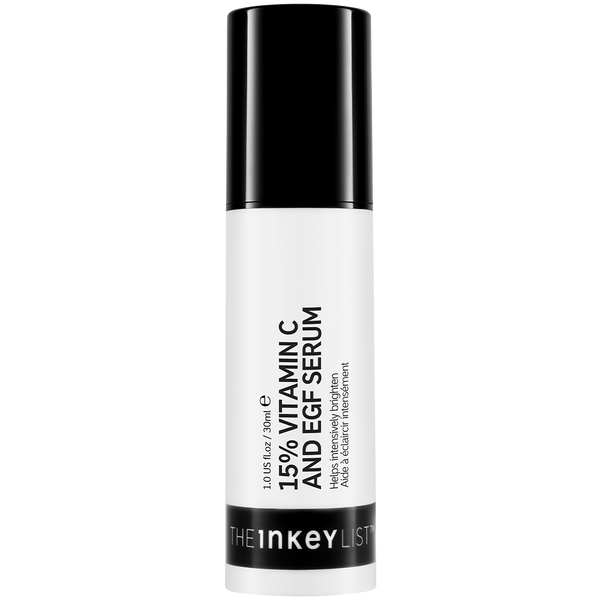
This comprehensive guide cuts through the confusion surrounding pregnancy skincare. We’ll explore which ingredients pose genuine risks and why, but more importantly, we’ll focus on safe, effective alternatives. From The INKEY List Niacinamide Serum for pregnancy acne to the 15% Vitamin C + EGF Serum for melasma prevention, you’ll discover products specifically formulated to address pregnancy skin concerns.
Understanding Your Changing Skin During Pregnancy
Pregnancy transforms your skin through dramatic hormonal changes. Understanding these shifts helps you make smart skincare choices that work with your body’s new reality.
The Hormonal Revolution
During pregnancy, estrogen levels increase up to 1,000 times normal levels, while progesterone skyrockets. These aren’t subtle changes—they dramatically impact your skin’s behavior, from oil production to sensitivity levels.
Estrogen initially improves skin texture and increases collagen production, contributing to the famous “pregnancy glow.” However, it also increases melanin production, making you more susceptible to pigmentation issues like melasma—those butterfly-shaped patches across cheeks and forehead.
Progesterone acts like an internal heating system, increasing body temperature and stimulating oil glands. This explains why many women suddenly develop acne, particularly along the jawline where hormonal breakouts typically appear.
Common Pregnancy Skin Changes
- Increased Acne: Elevated hormones increase oil production while altering natural exfoliation
- Melasma: Affects up to 70% of pregnant women, appearing as brown patches typically on the face
- Heightened Sensitivity: Pregnancy hormones can thin the skin barrier, making previously tolerated products suddenly irritating
- Dryness: Despite increased oil in some areas, overall skin dryness often increases
- Stretch Marks: As skin stretches, collagen and elastin fibers can become overwhelmed
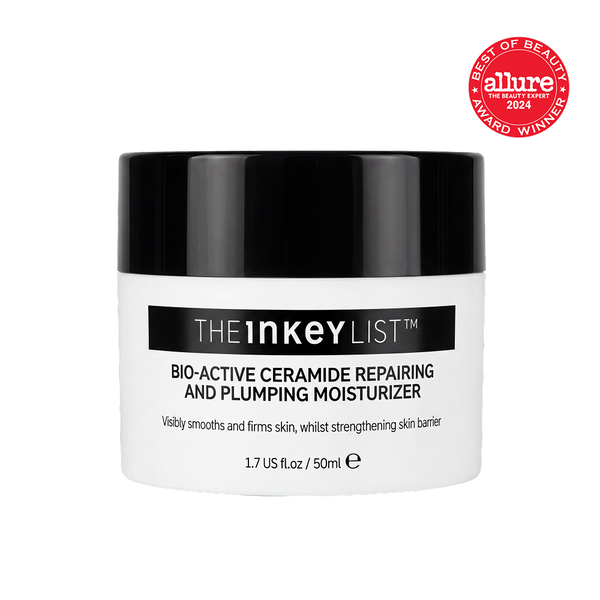
The reassuring reality? These changes are completely normal, temporary, and manageable with the right approach. Products like The INKEY List Bio-Active Ceramide Moisturizer help support your skin barrier during these changes.
Ingredients to Avoid: The No-Go List (and Why)
Understanding which ingredients to avoid during pregnancy—and the science behind these recommendations—transforms confusion into confidence.
Retinoids and Retinol
Retinoids represent the most well-known pregnancy restriction. This vitamin A family, including prescription tretinoin and over-the-counter retinol, poses teratogenic risks—meaning they can cause birth defects. High doses of vitamin A during pregnancy have been linked to cranial-neural-crest defects and cardiovascular malformations.
Even topical retinol can lead to systemic absorption. While absorption rates are lower than oral supplements, the developing fetus is particularly vulnerable during organ formation in the first trimester.
Planning ahead for postpartum? Once you’ve finished breastfeeding, you can gradually reintroduce retinol with The INKEY List Starter Retinol or Advanced Retinal for more potent anti-aging benefits.
Salicylic Acid
Salicylic acid safety depends on concentration and frequency. Low concentrations (under 2%) in cleansers are generally considered safe for occasional use. However, higher concentrations and daily use raise concerns about systemic absorption.
The worry stems from salicylic acid’s relationship to aspirin. High-dose aspirin during pregnancy can cause complications including bleeding problems and premature closure of vital fetal heart structures.
Hydroquinone
Hydroquinone has a relatively high skin absorption rate—up to 35-45%—which means significant amounts enter the bloodstream. While direct fetal harm hasn’t been conclusively proven, the combination of high absorption and limited pregnancy safety data makes it best avoided.
Chemical Sunscreens
Chemical sunscreen ingredients like oxybenzone and octinoxate can penetrate skin and enter the bloodstream. Some studies have detected these chemicals in breast milk and umbilical cord blood.
The solution isn’t avoiding sun protection—quite the opposite. Mineral sunscreens offer effective protection using zinc oxide and titanium dioxide, which sit on skin’s surface without systemic absorption.
Safe Ingredients & Your INKEY Heroes
The world of pregnancy-safe skincare is far more expansive than restriction lists suggest. Effective, thoroughly researched alternatives can address every skin concern while maintaining complete safety.
Niacinamide: The Multi-Tasking Marvel
Niacinamide stands out as perhaps the most valuable pregnancy-safe ingredient. This vitamin B3 form has an impressive safety profile with no known pregnancy restrictions, making it ideal for your routine.
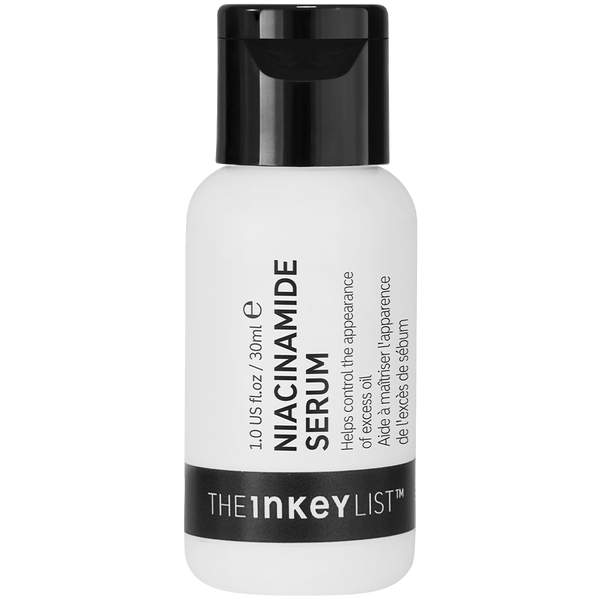
The INKEY List Niacinamide Serum offers a gentle 10% concentration that effectively manages excess oil without irritation, while the 20% Niacinamide Serum provides more intensive treatment for persistent concerns. Niacinamide’s anti-inflammatory properties help calm pregnancy skin reactivity while regulating oil production.
Vitamin C: The Brightening Protector
Vitamin C emerges as a cornerstone pregnancy ingredient, offering both immediate brightening benefits and long-term protection against environmental damage. The INKEY List 15% Vitamin C + EGF Serum provides potent antioxidant protection while addressing pigmentation concerns common during pregnancy.
Research confirms that topical vitamin C is completely safe during pregnancy and offers particular benefits for women dealing with melasma. Vitamin C inhibits tyrosinase, the enzyme responsible for melanin production, providing a safe alternative to hydroquinone.
Azelaic Acid: The Gentle Powerhouse
Azelaic acid represents one of the most exciting discoveries for pregnancy safe acne treatment. This naturally occurring acid offers remarkable benefits for both acne and pigmentation without pregnancy restrictions.
The INKEY List 10% Azelaic Acid Serum provides therapeutic benefits comparable to stronger treatments while maintaining complete safety. Azelaic acid’s dual action against acne and hyperpigmentation makes it invaluable for pregnancy skin concerns.
Hyaluronic Acid: The Hydration Hero
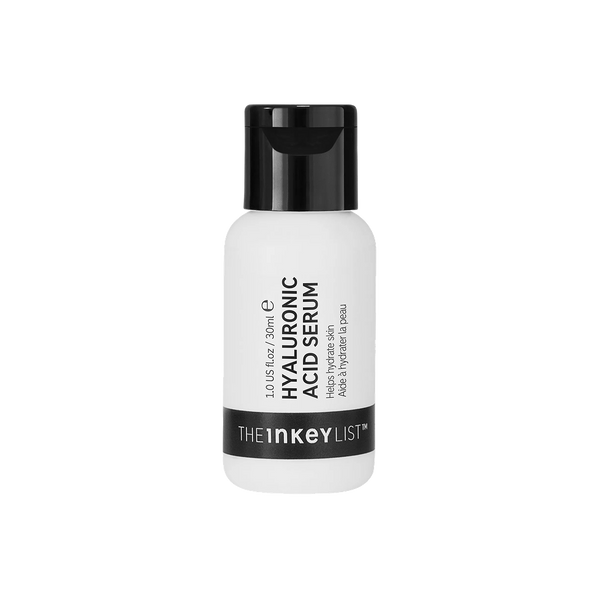
Pregnancy places unique demands on moisture levels, making hydration more critical than ever. The INKEY List Hyaluronic Acid Serum provides unparalleled hydration benefits with complete pregnancy safety.
This naturally occurring molecule can hold up to 1,000 times its weight in water, making it incredibly effective at maintaining skin moisture during pregnancy’s demanding changes.
Ceramides: The Barrier Builders
The INKEY List Bio-Active Ceramide Moisturizer represents perhaps the most important foundational product for pregnancy skincare. Pregnancy hormones can disrupt the skin barrier, making ceramide supplementation crucial.
Ceramides help restore and maintain barrier function, providing the foundation for healthy, comfortable skin throughout pregnancy.
Building Your Pregnancy-Safe Routine
Creating an effective pregnancy skincare routine requires balancing safety, efficacy, and practicality. The key lies in strategic layering of pregnancy-safe ingredients that address your specific concerns.
Morning Routine: Protection and Preparation
Your morning routine prioritizes preparation and protection against environmental factors that can exacerbate pregnancy skin concerns.
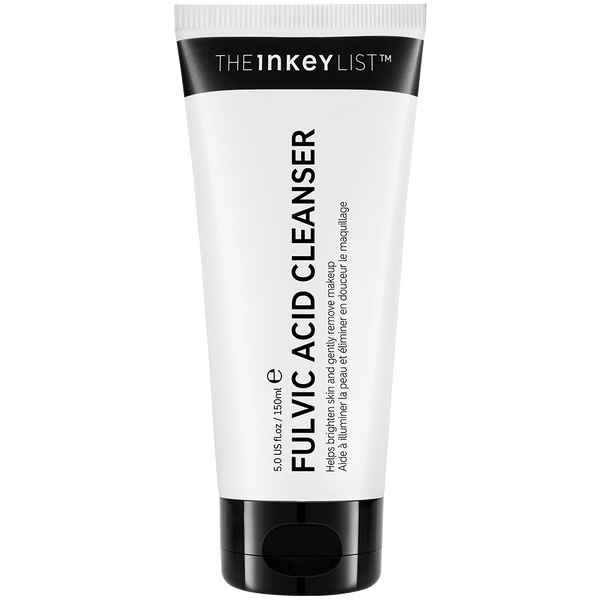
Step 1: Begin with the Fulvic Acid Cleanser for gentle purifying without stripping natural barriers.
Step 2: Apply the 15% Vitamin C + EGF Serum to slightly damp skin for enhanced absorption, focusing on pigmentation-prone areas.
Step 3: Layer the Niacinamide Serum for oil control and anti-inflammatory benefits, particularly beneficial for pregnancy acne.
Step 4: Complete with the Bio-Active Ceramide Moisturizer for essential barrier support.
Step 5: Finish with SPF 30 for broad-spectrum protection using pregnancy-safe mineral filters.
Evening Routine: Repair and Restoration
Evening routines focus on supporting skin repair and addressing specific pregnancy concerns.
Step 1: Double cleanse starting with the Oat Cleansing Balm to remove sunscreen and impurities.
Step 2: Layer the Hyaluronic Acid Serum for intensive overnight hydration.
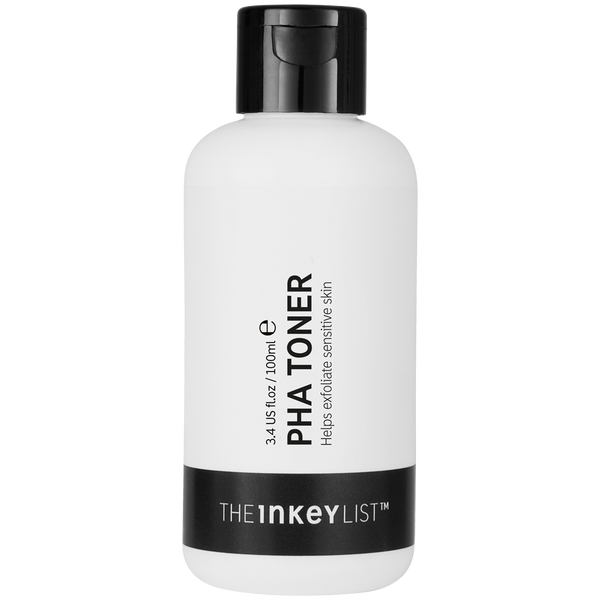
Step 3: Use the PHA Toner 2-3 times weekly for gentle exfoliation without irritation.
Step 4: Apply targeted treatments like the 10% Azelaic Acid Serum for acne or pigmentation concerns.
Step 5: Seal with the Bio-Active Ceramide Moisturizer for barrier repair.
Addressing Specific Pregnancy Skin Concerns
Pregnancy brings unique skin challenges requiring targeted, safe solutions. Strategic ingredient combinations can address these concerns effectively.
Pregnancy Acne Solutions
Pregnancy acne often feels more frustrating than typical breakouts because effective treatments become off-limits. However, pregnancy-safe alternatives often work better for hormonal acne.
The Niacinamide Serum provides significant sebum regulation without irritation. For intensive treatment, the 20% Niacinamide Serum offers higher-concentration benefits for stubborn breakouts.
Combining niacinamide with the 10% Azelaic Acid Serum creates a synergistic effect addressing acne from multiple angles. Azelaic acid provides gentle exfoliation, anti-inflammatory action, and antimicrobial effects against acne-causing bacteria.
Melasma and Pigmentation Management
Melasma affects up to 70% of pregnant women, typically appearing as brown patches on the face. While genetics and hormones play primary roles, sun exposure significantly worsens melasma.
The foundation of melasma management is sun protection. SPF 30 provides essential protection using mineral filters that block both UVA and UVB rays.
The 15% Vitamin C + EGF Serum provides primary active treatment for melasma. Vitamin C inhibits tyrosinase while providing antioxidant protection that prevents further pigmentation.
Combining vitamin C with the 10% Azelaic Acid Serum creates powerful yet gentle brightening treatment that works slowly but steadily to improve melasma.
Sensitivity and Barrier Support
Many women find their skin becomes reactive to previously tolerated products. The Bio-Active Ceramide Moisturizer provides essential lipids that help rebuild compromised skin barriers.
When barrier function improves, sensitivity to other products often decreases significantly. Focus on fragrance-free formulations and gradual product introduction.
Planning for Postpartum: Your Skin’s Next Chapter
The postpartum period brings continued hormonal transitions that impact your skincare routine and skin health.
The Immediate Postpartum Transition
The first few weeks after delivery mark dramatic hormonal changes. Estrogen and progesterone levels drop rapidly, often below pre-pregnancy levels as your body adjusts.
This hormonal crash can trigger temporary skin changes including increased dryness, sensitivity, or even acne flares. The Bio-Active Ceramide Moisturiser becomes even more crucial during this period when barrier function may be compromised.
Reintroducing Restricted Ingredients
If you’re not breastfeeding, postpartum offers opportunities to gradually reintroduce some previously restricted ingredients.
Retinol represents the ingredient many women are most eager to reintroduce. However, start with lower concentrations than you used pre-pregnancy. The INKEY List Starter Retinol provides gentle reintroduction, while the Advanced Retinal offers more potent benefits once your skin readjusts.
Breastfeeding Considerations
For breastfeeding mothers, many pregnancy skincare restrictions continue. Topical ingredients can potentially enter breast milk through systemic absorption.
The pregnancy-safe ingredients that supported your skin throughout pregnancy—niacinamide, azelaic acid, vitamin C, hyaluronic acid, and ceramides—continue providing excellent results during nursing.
Practical Postpartum Skincare
New parenthood brings practical challenges that impact skincare routines. Sleep deprivation, limited time, and unpredictable schedules make simplified routines more valuable than ever.
Focus on streamlined routines addressing primary concerns: gentle cleanser, targeted serum, moisturizer, and sunscreen. The habits you develop during pregnancy often lead to better long-term skin health.
Embracing Safe, Effective Skincare Throughout Pregnancy
Pregnancy skincare doesn’t mean compromising on effectiveness. Throughout this guide, we’ve explored how understanding ingredient safety transforms confusion into confidence, allowing informed choices that support both skin health and baby’s safety.
The pregnancy-safe ingredients we’ve discussed—niacinamide, azelaic acid, vitamin C, hyaluronic acid, and ceramides—often provide superior long-term results compared to harsher alternatives. These ingredients work harmoniously with your skin’s natural processes rather than forcing dramatic changes.
The INKEY List collection offers comprehensive pregnancy-safe solutions for every concern. From the gentle hydration of the Hyaluronic Acid Serum to the brightening power of the 15% Vitamin C + EGF Serum, every product provides clear ingredient information and evidence-based benefits.
The Niacinamide Serum addresses oil control and inflammation with complete safety, while the 10% Azelaic Acid Serum provides pregnancy safe acne treatment that rivals stronger alternatives. The Bio-Active Ceramide Moisturizer builds the barrier foundation that pregnancy skin needs.
Remember: every pregnancy is unique, and every woman’s skin responds differently. Always consult your healthcare provider about skincare concerns, especially if you have existing conditions. This guide provides educational information based on current research, but doesn’t replace personalized medical advice.
Ready to build your pregnancy-safe routine? Explore The INKEY List’s collection of pregnancy-safe products designed specifically for expecting mothers who refuse to compromise on either safety or results.

Got a question?
Rhiannon is at every step of the consumer's skincare journey and is passionate about sharing the beauty of knowledge, education and creating meaningful connections to empower you all to feel confident in your skin.


