



What Causes Crepey Skin? Causes, Areas and What Actually Helps
Thin, papery, crinkled texture on your arms, neck or under eyes? Here is what is actually happening in your skin, and what helps.
Author
askINKEY skincare advisor
Published
06 March, 2026
Time to read
18 minutes
Crepey skin is thin, finely lined skin with a papery, crinkled surface that looks a little like crepe paper. It appears across an area rather than sitting in one fixed line, which is what separates it from a wrinkle. What causes crepey skin comes down to structural change beneath the surface: collagen and elastin decline over time, and that decline is accelerated by cumulative UV exposure and chronic moisture loss, leading to a visible loss of firmness and elasticity. It shows up most often on the neck, the arms, under the eyes, the legs, and across the chest and decolletage, because those are the places where skin is thinnest, least protected and least often included in a routine.
Here is the honest position before we go further: texture can be visibly improved and further change can be slowed considerably, but this is management rather than complete reversal. Anyone promising to rebuild your skin as it was is selling you something.
This guide covers what crepey skin actually is, the six drivers behind it, why it appears in some areas long before others, the ingredients with real evidence behind them, a morning and evening routine, and a realistic timeline for results. Treating it well starts with understanding how it differs from a wrinkle.
What Crepey Skin Actually Is, and How It Differs From Wrinkles
Crepey skin is a texture, not a line. Look closely at an affected area and you will see fine, closely spaced lines running across the surface in more than one direction, often in a soft criss-cross. The skin feels thinner than it used to. It looks slightly loose rather than taut, and when you gently pinch it, it takes a beat longer to settle back into place than it once did.
A wrinkle behaves differently. Expression lines form in fixed positions, carved by repeated muscle movement in the same direction over many years. They sit where your face folds: between the brows, at the outer corners of the eyes, across the forehead. You can predict where they will be because you can predict how a face moves. Crepey skin has no such pattern. It spreads across a surface, driven by structural thinning and a loss of elasticity rather than by muscle activity.
Wrinkles are lines in a place. Crepey skin is texture across an area.
The mechanism worth understanding is recoil. Elastin fibres behave a bit like springs woven through the deeper layers of skin. When skin is stretched, folded or compressed, healthy elastin pulls it back into shape. When those fibres are damaged, thinned or disorganised, the spring weakens. Skin gathers where it is folded and then settles there instead of bouncing back. Repeat that thousands of times across years and the settled version becomes the default appearance.
This is also why crepey skin often reads as slack rather than simply lined. The lines are a symptom. The underlying story is a network that has lost its ability to return to its original shape.
In practice, crepiness and wrinkles frequently appear together, which is why a sensible routine addresses hydration and structure at the same time rather than choosing between them. Hydration changes how light hits the surface and how plump the skin looks within days. Structural support works on a much slower timescale. You need both, and they are not interchangeable.
Several factors influence when and how noticeably this shows up. Genetics play a genuine role in both timing and severity, which is why two people of the same age with similar sun habits can look quite different. Skin that loses water more readily tends to notice crepiness earlier, because dehydration exaggerates every bit of surface texture it touches. Rapid or significant weight change can reveal crepiness on the body, particularly on the arms and inner thighs, where skin that was previously stretched no longer has the elastic capacity to draw fully back in.
It is also worth dismantling the assumption that this is strictly a later-life concern. Sun-exposed areas can show crepey texture from the thirties, and the chest is the classic example: thin skin, decades of open necklines, and almost no history of sunscreen. Plenty of people first notice it there long before they notice anything on the face.
If you want a quick way to gauge where you are, try this. Gently pinch the skin on the back of your hand or the inner forearm, hold it for a second, then let go and watch how quickly it settles. Faster settling suggests better elastic recoil. Slower settling suggests the elastin network and the skin barrier could both use support. This is a rough observation rather than a diagnosis, and it is not something to feel anxious about. It is simply a useful baseline, and one that is genuinely interesting to repeat a few months into a consistent routine.
Understanding the difference is useful. Understanding what is happening structurally beneath the surface is what tells you which ingredients are worth your money.
What Causes Crepey Skin: The Six Main Drivers
Crepey skin is rarely caused by one thing. It is the visible result of several processes happening at once, some of them unavoidable and some of them very much within your control. Understanding which is which is the difference between a routine that works and a routine that just costs money.
Collagen production slows from your mid twenties
Collagen is the structural scaffolding of skin. It provides firmness, density and the sense that skin is substantial rather than thin. From roughly the mid twenties, production begins to slow.
You will see the figure of about 1% lost per year quoted very widely across the internet. Treat it as a useful rule of thumb rather than a measured constant. The real rate varies considerably between individuals and even between different sites on the same body, influenced by genetics, hormones, sun exposure and general health. Your forearm and your inner thigh are not on the same schedule.
What is reliable is the direction of travel. Production slows, existing fibres degrade faster than they are replaced, and skin becomes progressively less able to recover from being folded and unfolded thousands of times. That is the part that matters for how your skin looks, and it holds regardless of what the precise annual percentage is for you personally.
Elastin production essentially stops after puberty
This is the driver most articles skip, and it is arguably the most important one for crepey texture specifically.
Where collagen provides structure, elastin provides recoil. It is what lets skin snap back after being stretched, compressed or pinched. The catch is that the body produces very little new elastin after puberty. The fibres you have are, broadly speaking, the fibres you keep, and they are extremely difficult to rebuild once damaged.
This explains a great deal. It explains why crepey skin looks slack rather than simply lined. It explains why hydration improves the appearance quickly but does not solve the underlying issue. And it explains why the smartest long-term strategy is protecting the elastin you still have rather than chasing products that claim to replace it. Prevention genuinely outperforms correction here, which is not something we say about every skin concern.
UV exposure is the single largest accelerant
If you take one thing from this article, take this one.
Cumulative ultraviolet exposure degrades both collagen and elastin. Because elastin is not meaningfully replaced, that damage accumulates over a lifetime rather than resetting. Sun-damaged elastin does not simply disappear either. It becomes thickened and disorganised, a process known as solar elastosis, and disorganised elastin does not provide recoil. It shows up as loose, crinkled, slightly yellowed texture, which is exactly the appearance most people describe as crepey.
Two details catch UK readers out repeatedly. First, UV reaches skin on overcast days, which means a grey Tuesday in November still contributes. Second, UVA passes through window glass, so commutes, desks by a window and time spent driving all count.
This is why crepiness appears first on the neck, chest, forearms and backs of the hands. Those areas have accumulated decades of incidental exposure while receiving almost none of the protection the face gets.
Chronic dehydration and transepidermal water loss
Transepidermal water loss is simply water evaporating out through the skin’s surface. It happens constantly and at a low level in everyone. It becomes a problem when the rate climbs and the skin cannot hold onto enough water to stay plump.
Dehydrated skin exaggerates the appearance of crepiness dramatically, even when the underlying structure has barely changed. Fine lines look deeper. Texture catches the light more harshly. The good news is that this is the fastest thing to fix, which is why hydration usually delivers the earliest visible improvement in any crepey skin routine.
One clarification, because these get conflated constantly. Dry skin is a skin type, meaning skin that produces less oil. Dehydrated skin is a condition, meaning skin short on water, and it can happen to oily skin just as easily. You can be both. The distinction matters because the solutions differ: dryness wants lipids, dehydration wants water plus something to hold it in.
A compromised moisture barrier
Picture the outermost layer of skin as a brick wall. The skin cells are the bricks, and the lipid matrix holding them together is the mortar. That mortar is made largely of ceramides, cholesterol and fatty acids.
When the mortar is depleted by over-cleansing, hot water, harsh actives, cold weather or simply the passage of time, two things happen simultaneously. More water escapes outwards, and more irritants get in. Skin becomes reactive, tight and prone to flushing.
There is a strategic consequence here that most routines get wrong. A weak barrier makes skin far less tolerant of the very actives that would help it. Introduce a retinoid onto a compromised barrier and you will likely end up irritated, discouraged, and convinced the ingredient does not suit you. It is worth understanding the difference between bio-active ceramides versus regular ceramides when you are choosing what to repair with. This is precisely why barrier repair comes first in the treatment section below, not third.
Repetitive mechanical stress
Skin that is folded repeatedly in the same direction gradually settles into those creases, particularly once elastic recoil has declined.
The everyday examples are unglamorous. A sustained downward head tilt while reading a screen folds the neck in the same place for hours at a time. Consistently sleeping on the same side compresses one cheek and the chest overnight, every night, for years. Rubbing or pulling at thin skin, most commonly the under eye area during makeup removal, applies mechanical stress to the most delicate skin on the body.
None of this is cause for blame or panic, and none of it requires you to overhaul your life. Small adjustments, applied consistently, are enough: raise the screen, be gentler around the eyes, and if you always sleep on the same side, know that it is a contributing factor rather than a catastrophe.
These six drivers do not affect every part of the body equally, which is exactly why crepiness shows up in some places long before others.
Where Crepey Skin Shows Up First: Arms, Under Eyes, Legs, Neck and Chest
Crepey texture follows a fairly predictable map. It appears soonest where skin is naturally thinner, where there are fewer oil glands to maintain the surface, and where sun exposure has been highest and protection lowest. Add in areas that move constantly or get physically handled, and you have your list.
Crepey skin on arms
Crepey skin on arms is one of the most common concerns people bring to us, and one of the least well served by mainstream skincare advice. The upper and inner arms are particularly prone, and there are four reasons that stack on top of each other.
The skin there is thin, especially on the inner arm and the area just above the elbow. It receives significant incidental sun exposure across a lifetime, because short sleeves are the default for a good chunk of the year and almost nobody reapplies sunscreen to their arms during a normal working day. It is stretched and moved constantly, every time you reach, lift, carry or push. And, crucially, it is almost never included in an actual skincare routine.
That last point deserves to be said plainly, because it is the single most fixable factor in this entire article. Most people cleanse, treat and moisturise their face daily, sometimes twice. The same people apply nothing to their arms for weeks at a time, then wonder why the two areas have aged differently. They have had entirely different levels of care for thirty years. The arms are not failing you. They have simply never been given anything to work with.
Rapid or significant weight change can also reveal crepiness on the arms. When skin has been stretched and the elastin network no longer has the capacity to draw fully back in, texture that was previously smooth becomes visible. This is a mechanical reality rather than a personal failing, and it applies whether the change came from illness, medication, pregnancy, deliberate weight loss or the ordinary fluctuations of a life. It is worth knowing so that you can set expectations sensibly, not so that you can feel badly about it.
On the question of the best lotion for crepey skin on arms and legs, we would rather give you criteria than a shopping list, because the specific bottle matters far less than what is inside it and how often it is used. Look for four things:
- Humectants to draw water in. Hyaluronic acid is the reference point here, pulling water into the upper layers so skin looks fuller and lines look softer.
- Ceramides to rebuild the barrier and hold that water there. Humectants without occlusion or barrier support can underdeliver, particularly in dry indoor air. Drawing water in only helps if something keeps it from evaporating straight back out.
- Gentle exfoliation for surface texture. Emphasis on gentle, and not daily. Body skin can tolerate more than facial skin, but scrubbing crepey skin makes it worse, not better.
- Consistency measured in months. This is the ingredient nobody sells.
Two realities about body skincare that facial routines do not prepare you for. First, body skin needs considerably more product than your face. A pea-sized amount is a facial dose. Your arms want a generous, properly massaged-in application, and if you feel like you are using a lot, you are probably using roughly the right amount. Second, body areas respond more slowly than the face. Skin turnover, product contact time and sheer surface area all work against you. Where the face might show change at four weeks, expect the arms to take longer, and plan accordingly.
The single most effective habit change is timing. Apply to slightly damp skin within a couple of minutes of getting out of the shower, while the surface still holds water for a humectant to grab. It costs no extra time and it materially improves the result.
Crepey skin under eyes
The under eye area is the thinnest skin on the body. It is also in near-constant motion from blinking, squinting and general expression, and it is routinely pulled and rubbed during makeup removal. That combination makes crepey skin under eyes extremely common, and often the first place people notice texture at all.
It helps to separate three things that readers conflate constantly. Crepey texture is fine, papery lining of the skin surface. Puffiness is fluid retention that changes the shape of the area, often worse in the morning. Dark circles are a colour and shadow issue, driven by pigmentation, vascularity or the natural hollow of the orbital bone. They can coexist, but they respond to different things, and treating one will not fix the others.
For texture specifically, use a product formulated for the eye area rather than dragging facial actives down into it. Concentrations and textures designed for cheeks are not always appropriate for skin this thin. Our Caffeine Eye Cream, £12.00, works well as a daytime option for smoothing and depuffing, combining Caffeine with Matrixyl 3000 and Albizia Julibrissin Bark Extract. For fine lines specifically, Retinol Eye Cream uses 0.3% Vitalease Retinol in a slow-release format alongside Glycerin and Shea Butter, and it is a night-only product. You can browse the full range of eye treatments if you want to compare.
One technique note that costs nothing and matters more than most product choices: apply with your ring finger, tapping gently along the orbital bone rather than dragging across the skin. Your ring finger is the weakest, which makes it the least likely to pull. Given that mechanical stress is one of the six drivers, how you apply is genuinely part of the treatment.
Crepey skin on legs
Crepey skin on legs typically shows above the knees and along the shins, and the reasons are largely environmental.
The shins have very few oil glands, which means they struggle to maintain a robust lipid barrier on their own. Hot showers and shaving both strip lipids from an area that had few to spare. And legs accumulate meaningful sun exposure across warmer months, usually without sunscreen.
The fixes are unglamorous and effective. Turn the water temperature down, because hot water is one of the most reliable ways to compromise a barrier. Moisturise on slightly damp skin straight after showering rather than twenty minutes later. If you shave, do it with a lubricating product rather than dry or with plain water, and moisturise afterwards rather than the next morning.
Crepey neck and tech neck
The neck shows change early for structural reasons. Neck skin is up to 40% thinner than facial skin, has fewer oil glands, moves constantly with every turn of the head, and is routinely left out of both skincare and SPF. If you have ever stopped your moisturiser at the jawline, you have run a small experiment on yourself.
The term tech neck describes the lines and loss of firmness associated with sustained downward head tilt at phones and laptops. Worth being precise here: the posture is real and well documented, but the idea that your phone is permanently creasing your neck is a plausible contributor to how visible lines become rather than a proven cause of permanent damage. Repeated folding of thin skin with reduced recoil is a reasonable mechanism. It is not established by long-term clinical study, and we are not going to pretend otherwise.
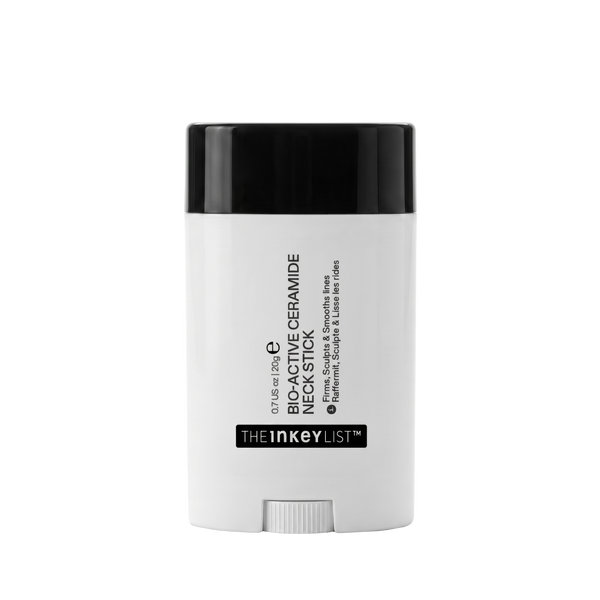
Our Bio-Active Ceramide Neck Stick, targets exactly this brief: neck lines, crepey skin texture, loss of firmness and elasticity, and a weakened skin barrier. It is a gua sha inspired solid stick formulated with 0.2% Bio-Active Ceramide NP, 1% Gatuline In-Tense MB and 2% CO2llageneer, and it is clinically proven to lift, tighten and firm the neck and chest area in 14 days⁴.
This is a big topic and it has its own home. For the full treatment, read our detailed guide on how to get rid of neck lines, and for the posture side specifically, see our guide to tech neck.
Chest and decolletage
The chest and decolletage combine every risk factor in this article. The skin is thin. Open necklines mean heavy cumulative sun exposure over decades, usually unprotected, because sunscreen application tends to stop somewhere around the collarbone. And side sleeping compresses the area nightly, folding it in the same direction for hours at a time.
It is also one of the most commonly skipped areas in both skincare and SPF, which is why it frequently looks a decade ahead of the face. The simplest correction is to treat it as an extension of your neck rather than as body skin: whatever you apply to the neck, carry it down. The Neck Stick is designed to cover the decolletage as well as the neck, so it does both in one pass.
Knowing where crepiness shows up is useful. Knowing what actually moves the needle is more useful still.
How to Get Rid of Crepey Skin: What Actually Works
Let us be straightforward about the ceiling. Topical skincare can visibly improve texture, strengthen the barrier, increase hydration and slow further change considerably. It will not restore the elastin network you were born with, and no cream on any shelf anywhere will. Everything below is built on that honest premise, which we think makes it more useful, not less.
Any effective approach to crepey skin treatment rests on five pillars, and they work best in this order.
Repair the barrier first
Nothing else in your routine performs well on a compromised barrier. If skin is reactive, tight or stinging when you apply product, that is the problem to solve before anything else joins the queue.
Ectoin is a particularly good starting point because it is exceptionally well tolerated. Our Ectoin Hydro-Barrier Serum combines 2% Ectoin with 2.5% Hyaluronic Acid and a 1% Barrier Blend of three ceramides. It repairs a compromised skin barrier in 15 minutes, and improves skin bounce and smoothness in 7 days. That bounce claim is worth pausing on, because bounce is essentially the everyday word for recoil, which is the exact quality crepey skin has lost.
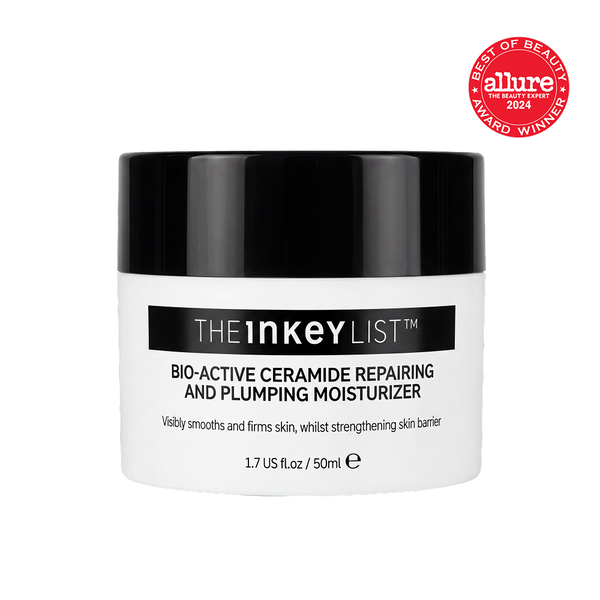
To hold that repair in place, Bio-Active Ceramide Moisturizer,, is clinically proven to repair and strengthen the skin barrier from first use, delivers 24 hour hydration, and offers 4X visible wrinkle reduction*. A moisturiser is not the exciting part of a routine, but on crepey skin it is doing a disproportionate share of the work.
Hydrate at multiple levels
Because dehydration exaggerates the appearance of crepiness, hydration produces the fastest visible improvement available to you. This is not a cosmetic trick to be dismissed. Plumper skin genuinely reflects light differently and genuinely looks smoother.
Our Hyaluronic Acid Serum, uses 2% Multi-Molecular Hyaluronic Acid, which holds up to 1000x its weight in water. The multi-molecular part matters: different molecular weights sit at different depths, so you get hydration through the upper layers rather than only at the very surface. It also contains Matrixyl 3000 Peptide, which helps plump, firm and smooth. In testing, 82% agreed skin felt firmer, smoother and more elastic after 4 weeks**.
One application rule that changes the outcome. Apply hyaluronic acid to damp skin, then seal it with moisturiser. A humectant draws water towards itself, and in dry indoor air with nothing to hold it, that can work against you rather than for you. Damp skin plus a moisturiser on top is the whole technique.
Add a retinoid, carefully
Retinoids are the most evidence-backed topical route for texture and fine lines. They are also the step most likely to go wrong if rushed, particularly on the thin, reactive skin where crepiness lives.
If you are new to them, or your skin runs sensitive, Starter Retinol Serum is the sensible entry point. It uses a gentle, slow-release retinol that smooths fine lines in 7 days*, and it is formulated specifically for beginners and sensitive skin.
If you are already comfortable with retinoids, Advanced 0.2% Retinal Serum, works 11x faster than standard retinol**, with visible anti-ageing results in 1 week. If you are unsure which camp you fall into, our explainer on the difference between retinol and retinal is the clearest place to start, and our guide to which retinol suits you walks through the options.
The application rules are simple and non-negotiable. Night only. Start at two to three nights per week, building up slowly as tolerance develops. Patch test first. And if skin becomes irritated, drop back a step rather than stopping altogether, because consistency at a lower frequency beats an enthusiastic fortnight followed by a month off.
Use Vitamin C in the morning
Vitamin C earns its place in the morning as antioxidant support, working alongside sunscreen rather than in place of it.
Our 15% Vitamin C + EGF Serum uses 15% Ascorbyl Glucoside, a stable Vitamin C derivative that brightens and targets the look of sun damage. Stability and gentleness matter here more than they might elsewhere, because pure L-ascorbic acid can be difficult on thin, reactive areas, which is precisely the skin we are trying to help. The formula also contains 1% Epitensive EGF, which supports renewal and helps boost elasticity.
Wear SPF every single day
This is the highest-impact step in the entire article, and the one most likely to be skimmed.
The logic is straightforward. UV is the largest accelerant of collagen and elastin degradation. Elastin is not meaningfully replaced. Therefore daily SPF does not just prevent future damage, it protects the results of every other product you are paying for. Skipping it while using a retinoid is a bit like bailing out a boat without patching the hole.
The critical instruction is one of coverage, not product choice: extend it beyond the face to the neck, chest, backs of the hands and forearms. Those are the areas showing crepiness first, and they are the areas sunscreen application habitually forgets.
Two of these ingredients dominate the searches people run about vitamins for crepey skin, and that question deserves a proper answer.
What Vitamin Helps Crepey Skin?
The two topical vitamins with the strongest evidence behind them are Vitamin C and Vitamin A derivatives such as retinol and retinal.
Vitamin C provides antioxidant support, helps target the appearance of accumulated sun damage, and supports a brighter, more even tone. Since UV is the largest accelerant behind crepey skin, an antioxidant working alongside daily sunscreen is a logical morning pairing. Ascorbyl Glucoside is a stable derivative and is gentler than pure L-ascorbic acid, which genuinely matters when the skin you are treating is thin and easily provoked. Paired with EGF, which supports renewal and helps boost elasticity, it becomes a sensible daytime step rather than a token one.
Vitamin A derivatives are the most studied topical route for texture and fine lines, full stop. Retinal converts to the active form in fewer steps than retinol does, which is a difference in conversion pathway rather than a ranking. The best retinoid is the one your skin tolerates consistently, because a gentler product used four nights a week will always outperform a stronger one abandoned after ten days. Both are night-only, and both reward patience during the tolerance-building phase.
A note on sequencing and combinations, since this is where routines fall apart. Vitamin C in the morning, retinoid at night. As a rule, do not layer retinol and Vitamin C in the same application. Hydrating ingredients are a different story, and pairing hyaluronic acid with retinol is a well-established way to keep things comfortable. The same applies to using niacinamide with retinol, which is a genuinely useful combination for anyone building tolerance.
On oral supplements, we will be conservative. A balanced diet supports skin health in general terms, as it supports everything else. But no supplement substitutes for topical actives and daily sun protection, and we are not going to imply otherwise.
Three things to remember:
- Vitamin C in the morning, under sunscreen.
- A Vitamin A derivative at night, introduced slowly.
- Neither replaces the barrier and hydration foundation underneath them.
With the ingredients settled, here is the order to apply them in.
Your Morning and Evening Routine for Crepey Skin
Two sequences, both designed to be followed rather than admired. You do not need every product listed. If you are starting from nothing, start with hydration, barrier support and SPF, and add from there.
Morning routine
- Cleanse gently with lukewarm water. Hot water strips lipids from a barrier you are trying to rebuild, so keep the temperature down and the cleanse brief.
- Apply Hyaluronic Acid Serum to damp skin. Damp is the operative word, because it gives the humectant water to work with immediately.
- Follow with 15% Vitamin C + EGF Serum. Antioxidant support belongs in the morning, ahead of daylight exposure.
- Glide the Bio-Active Ceramide Neck Stick upwards across neck, jawline and decolletage. Use sculpting motions and work outwards, treating the area as part of your face rather than an afterthought.
- Apply Bio-Active Ceramide Moisturizer, extending it down onto the neck. This seals the hydration underneath it and supports the barrier through the day.
- Finish with SPF on face, neck, chest and the backs of the hands. Non-negotiable, every day, regardless of weather.
Evening routine
- Cleanse thoroughly, and double cleanse if you have worn SPF or makeup. Sunscreen is designed to stay put, so it needs proper removal rather than a quick pass.
- Apply Hyaluronic Acid Serum to damp skin. Same principle as the morning, and it also buffers what comes next.
- Take your treatment step, alternating nights. Use Starter Retinol Serum or Advanced 0.2% Retinal Serum on retinoid nights, and Ectoin Hydro-Barrier Serum on recovery nights. Alternating is how you get results without irritation.
- Treat the eye area with Retinol Eye Cream on retinoid nights, or Caffeine Eye Cream if you prefer. Tap with the ring finger rather than dragging.
- Apply the Bio-Active Ceramide Neck Stick. Same upward motions as the morning.
- Seal everything with Bio-Active Ceramide Moisturiser. Overnight is when barrier repair does its best work, so give it something to work with.
For the body, apply moisturiser to arms and legs on damp skin straight after showering. This is the step almost everyone abandons, and it is the one that decides whether crepey skin on arms and legs improves or simply continues. It takes ninety seconds.
A few notes on personalising this. If your skin is sensitive or currently compromised, spend two to four weeks building barrier strength with Ectoin before introducing a retinoid at all, because a retinoid on a damaged barrier is a shortcut to giving up. If your skin is dry, layer hydration twice, applying serum, waiting a moment, then applying again before you moisturise. And if you are short on time or budget, prioritise hydration, barrier support and SPF, in that order, and add actives later.Consistency beats intensity every time. A modest routine done nightly will outperform an elaborate one done occasionally, and it is not close.
The question everyone asks next is how long any of this takes.
How Long Does It Take to See Results? A Realistic Timeline
Structural change took years to develop. Meaningful improvement takes months. Any timeline that suggests otherwise is marketing, not skincare.
At 2 weeks, expect improved hydration. Skin feels softer, more comfortable and less tight, and fine surface texture looks softened because it is better hydrated. In the neck and chest specifically, the Bio-Active Ceramide Neck Stick is clinically proven to lift, tighten and firm the neck and chest area in 14 days⁴. Be clear-eyed that this stage is largely surface level. It is real, it is visible, and it is not yet structural.
At 4 weeks, early visible texture change typically appears. This is where hydration stops being the only story and the barrier work starts showing. In consumer testing of our Hyaluronic Acid Serum, 82% agreed skin felt firmer, smoother and more elastic after 4 weeks**.
At 8 to 12 weeks, most people notice a genuine difference. This is when the retinoid contribution becomes visible, and it is where persistence pays off. The Neck Stick is clinically proven to reduce tech neck by 30% in 8 weeks⁴, and to improve tightness of the jawline by 32% in 56 days⁴. This is also roughly when body areas begin to show change, later than the face and requiring more product along the way.
At 6 months and beyond, the goal shifts from improvement to trajectory. Consistent SPF and retinoid use is now protecting your progress at least as much as it is adding to it. Because elastin is not replaced, preservation is the long game, and it is a game you can absolutely win.
Two honest caveats. Body areas are slower than the face and harder to sustain, so do not hold your arms to a facial timeline or conclude that nothing is working at week six. And visible improvement is not reversal. Texture will fluctuate with the season, your hydration, your sleep and your recent sun exposure. A bad week is not a failed routine.
The most common reason people see no results is stopping at week three, right before the interesting part.
Here are the questions readers most often type into search.
Conclusion
What causes crepey skin is, at its core, structural: collagen and elastin decline over time, accelerated by cumulative UV exposure and chronic moisture loss, and it shows first wherever skin is thinnest and least protected.
Three things matter most, and they matter in this order. Protect the barrier, because nothing else works properly without it. Hydrate consistently, because dehydration exaggerates every bit of texture you have. And wear SPF daily, because the damage you prevent is worth more than the damage you treat. Once that foundation is solid, retinoids and Vitamin C are what take you further.
The most common mistake is also the easiest to fix: stopping your routine at the jawline. Your arms, neck and chest need the same attention your face gets, and they have usually had decades less of it. Extending what you already do costs almost nothing and changes the areas that show crepiness first.
Give it months rather than days. Consistency over time will always beat intensity in bursts, and skin responds to being looked after reliably far more than to being treated aggressively.
Explore our full anti-ageing range to build a routine around barrier repair, hydration and daily protection.
Footnotes
* 4-week independent clinical study of 22 people under dermatological control.
** 4-week independent consumer study of 22 people under dermatological control.
*** Clinically proven to work 11x faster than standard retinol.
⁴ Bio-Active Ceramide Neck Stick claims: clinically tested on 28 participants over 8 weeks.
Crepey skin is that distinctive thin, wrinkled, papery texture that resembles crepe paper—hence the name. Unlike targeted fine lines that develop from repeated facial expressions, crepey skin affects larger surface areas and creates a loose, fragile appearance that can make us feel older than our years. It commonly appears on the neck, décolletage, arms, hands, and delicate under-eye area, often catching us off guard because it seems to develop seemingly overnight.
This comprehensive guide takes The INKEY List’s signature no-nonsense approach to understanding what causes crepey skin from a scientific perspective, then provides actionable, evidence-based solutions that actually work. We’ll explore everything from the biological mechanisms behind skin texture changes to modern lifestyle factors like “tech neck” that are aging us faster than previous generations. Most importantly, you’ll discover how effective treatment doesn’t require expensive procedures when you understand the right combination of barrier repair, collagen support, and targeted protection.
Whether you’re just noticing early signs or looking to address established texture concerns, this guide covers innovative treatments for modern lifestyle factors plus comprehensive routines for long-term skin health. Because when you understand the science behind what’s happening to your skin, you can take control with targeted solutions that deliver genuine results.
Understanding Crepey Skin: More Than Just ‘Normal Aging’
Crepey skin represents a specific type of textural change that goes beyond typical aging patterns. While fine lines tend to be localized and often result from repeated muscle movements (like crow’s feet from squinting), crepey skin creates a broader canvas of delicate wrinkles across larger surface areas. The skin becomes noticeably thinner, developing a loose, fragile quality that can feel papery to the touch.
The areas most susceptible to developing crepey skin are those where the skin is naturally thinner or faces unique challenges. The neck, for instance, has skin that’s approximately 40% thinner than facial skin, with less underlying muscle support and fewer sebaceous glands to maintain moisture. This explains why neck texture changes are often the first signs people notice. The décolletage faces similar vulnerabilities, compounded by years of sun exposure during lower neckline fashion choices.
Arms and hands are particularly prone to crepey texture because they experience constant environmental exposure combined with frequent movement and stretching. The delicate under-eye area, with its tissue-thin skin and constant muscle movement from blinking and expressions, often shows early signs of this characteristic texture change.
What makes crepey skin different from normal fine lines is both its distribution and its underlying cause. While expression lines develop from specific muscle contractions, crepey skin results from broader structural changes in the skin’s architecture. The skin loses its ability to snap back to its original position, creating that loose, gathered appearance reminiscent of crepe paper.
Genetics certainly play a role in when and how severely crepey skin develops. Some people inherit more robust collagen production or better DNA repair mechanisms that help maintain skin structure longer. However, skin type also matters significantly. Those with naturally drier skin often develop crepey texture earlier because their skin barrier is more prone to damage and moisture loss. Fair skin types, which have less melanin protection against UV damage, frequently show these changes sooner than those with more natural sun protection.
The timeline for crepey skin development varies dramatically among individuals. While it’s often associated with natural aging, crepey texture can appear as early as the thirties in sun-exposed areas like the décolletage. The process typically accelerates after menopause due to declining estrogen levels, which significantly impact collagen production and skin thickness. However, modern lifestyle factors are causing these changes to appear earlier than in previous generations.
Understanding what causes crepey skin begins with recognizing that it’s not inevitable or irreversible. While some degree of skin texture change occurs naturally over time, the severity and onset can be significantly influenced by our daily choices and skincare approaches. This knowledge empowers us to take proactive steps that can prevent, slow, or even improve existing crepey skin concerns.
The Science Behind Crepey Skin: When Your Skin’s Architecture Changes
To understand what causes crepey skin, we need to examine the remarkable architecture that keeps our skin smooth, firm, and resilient. Think of healthy skin as a well-constructed building: collagen provides the sturdy framework like steel beams, while elastin acts as the springs that allow the structure to flex and return to its original shape. When this system begins to break down, the characteristic loose, wrinkled texture of crepey skin emerges.
Collagen, the most abundant protein in our skin, forms long, strong fibers that create the skin’s structural foundation. In young, healthy skin, these fibers are densely packed and regularly renewed through natural cellular processes. However, starting around age twenty-five, our natural collagen production begins to decline by approximately 1% per year. This gradual reduction might seem minimal, but over decades, it creates a significant deficit in the skin’s structural support system.
The breakdown accelerates through the action of matrix metalloproteinases (MMPs), enzymes that act like microscopic demolition crews. While MMPs serve important functions in healthy skin by removing damaged collagen to make way for new fibers, various factors can trigger them to become overactive. Sun exposure, pollution, stress, and even normal aging processes can cause MMPs to break down existing collagen faster than new proteins can be formed, creating a net loss that manifests as loss of firmness and the development of fine wrinkles.
Elastin faces even greater challenges. Unlike collagen, which can be regenerated throughout life (albeit at declining rates), elastin production virtually stops after puberty. The elastin fibers we’re born with must last our entire lifetime, making them particularly vulnerable to cumulative damage. UV radiation, in particular, causes elastin fibers to become thick, tangled, and dysfunctional—a process called solar elastosis that contributes significantly to the loose, saggy appearance characteristic of crepey skin.
The glycation process adds another layer of complexity to skin aging. When excess glucose molecules in the bloodstream bind to proteins like collagen and elastin, they form Advanced Glycation End Products (AGEs). Think of this as similar to how prolonged heat changes the texture of cooking proteins—the once-flexible collagen and elastin fibers become stiff, yellow, and dysfunctional. This “overcooking” of proteins contributes to the loss of skin elasticity and the development of that characteristic papery texture.
Intrinsic aging—the natural cellular decline that occurs over time—interacts with extrinsic aging from environmental factors to create a complex picture of skin texture changes. Intrinsic aging affects cellular communication, DNA repair mechanisms, and the skin’s ability to retain moisture. Meanwhile, extrinsic factors like UV exposure, pollution, and lifestyle choices dramatically accelerate these processes.
The skin barrier itself becomes compromised as we age, with declining ceramide production affecting the skin’s ability to retain moisture and protect against environmental damage. Ceramides act like the mortar between bricks in a wall—when they’re depleted, the entire structure becomes vulnerable. This increased permeability leads to chronic low-level inflammation and further accelerates the breakdown of structural proteins.
Understanding these mechanisms reveals why effective treatment for crepey skin requires a multi-faceted approach. Simply moisturizing the surface won’t address the underlying architectural changes. Instead, successful intervention must support collagen production, protect against further damage, restore barrier function, and provide the building blocks the skin needs for ongoing repair and renewal.
Modern Lifestyle Factors: How Tech Neck Is Aging Us Faster
While traditional skin aging factors like sun exposure and genetics remain significant, modern lifestyle patterns are creating entirely new categories of premature skin aging. Perhaps no phenomenon illustrates this better than “tech neck”—the accelerated development of horizontal neck lines and crepey texture directly linked to our constant use of digital devices.
The average person now spends over seven hours daily looking down at phones, tablets, and laptops. This repetitive downward head position creates a perfect storm for accelerated neck aging. When we tilt our heads down to view screens, we create deep horizontal folds across the neck area. Unlike occasional movements that might crease the skin temporarily, this position is held for hours at a time, day after day, year after year.
The biomechanics of tech neck are particularly damaging because the neck skin is already at a disadvantage. At approximately 40% thinner than facial skin, neck tissue has less underlying support and fewer sebaceous glands to maintain moisture. When we add the mechanical stress of repeated folding, we essentially train the skin to form permanent creases—much like folding a piece of paper repeatedly until it naturally wants to bend at those points.
Forward head posture, common among heavy device users, compounds the problem by increasing the strain on neck muscles and skin by up to 60%. This altered posture doesn’t just affect the neck; it creates a cascade of tension that can impact circulation and lymphatic drainage, further compromising skin health in the affected area.
The repetitive motion damage from tech neck represents an entirely new aging pattern that previous generations didn’t face. While our grandparents might have developed neck lines gradually over decades, today’s constant screen use is creating these changes in people as young as their twenties and thirties. The skin simply cannot recover from the constant mechanical stress when given only brief periods between folding episodes.
Building Your Skin’s Defense System: The Multi-Layer Barrier Approach
Understanding what causes crepey skin reveals that effective treatment must begin with a strong foundation: your skin’s protective barrier. Think of your skin barrier as the foundation of a house—no matter how beautiful the structure above, if the foundation is compromised, everything else becomes unstable. For crepey skin prevention and treatment, this foundation is more critical than any single active ingredient or expensive treatment.
The skin barrier operates on a “brick and mortar” principle, where corneocytes (skin cells) act as bricks held together by lipid mortar composed primarily of ceramides, cholesterol, and fatty acids. Ceramides make up approximately 50% of this mortar, acting as the crucial binding agent that keeps the entire structure intact. When ceramide levels decline—which happens naturally with age and is accelerated by environmental damage—the barrier becomes permeable, leading to increased water loss, inflammation, and accelerated breakdown of the structural proteins that keep skin firm and smooth.
The statistics surrounding ceramide decline are sobering: we lose approximately 30% of our natural ceramide production after age thirty, with this loss accelerating significantly during menopause. This decline creates a cascade effect where compromised barriers lead to increased transepidermal water loss, chronic low-level inflammation, and accelerated degradation of collagen and elastin—the perfect recipe for developing crepey skin texture.
Hydration forms another critical component of barrier defense, but not all hydration is created equal. The skin requires multiple types and molecular weights of moisturizing ingredients to address different aspects of water retention and barrier support. This is where a strategic, multi-layered approach becomes essential.
The INKEY List’s Comprehensive Barrier Support System:
Foundation: Hyaluronic Acid Serum - The Hydration Powerhouse
Start your barrier defense with The INKEY List’s award-winning 2% Hyaluronic Acid Serum, which features multiple molecular weights of hyaluronic acid for comprehensive moisture support. This isn’t just about surface hydration—the different molecular sizes allow some molecules to penetrate deeper while others form a moisture-retaining film on the surface.
- High molecular weight hyaluronic acid creates an invisible moisture barrier on the skin’s surface
- Medium molecular weight provides deeper hydration to the upper layers of the epidermis
- Low molecular weight penetrates more deeply to support long-term moisture retention
The immediate plumping effect helps minimize the appearance of fine lines and texture irregularities that contribute to crepey appearance, while the long-term hydration support creates optimal conditions for barrier repair and collagen synthesis.
Rapid Repair: Ectoin Hydro-Barrier Serum for Compromised Skin
For skin showing signs of barrier compromise—including sensitivity, redness, or rapid texture changes—The INKEY List’s 2% Ectoin Hydro-Barrier Serum provides clinically-proven barrier repair in just 15 minutes. Ectoin is a remarkable natural molecule originally discovered in extremophile bacteria that survive in harsh desert conditions.
Key Ectoin Benefits for Crepey Skin Prevention:
- Repairs damaged skin barriers within 15 minutes of application
- Provides natural stress protection against environmental aging factors
- Supports cellular repair mechanisms
- Reduces inflammatory responses that accelerate protein breakdown
- Creates an invisible protective shield against pollution and UV stress
This serum is particularly valuable for those noticing rapid texture changes or experiencing sensitivity alongside developing crepey skin, as it addresses both the symptoms and underlying barrier dysfunction simultaneously.
Advanced Protection: Bio-Active Ceramide Moisturizer
Complete your barrier defense system with The INKEY List’s Bio-Active Ceramide Moisturizer, clinically proven to deliver a 62% improvement in barrier function and an impressive 22% increase in collagen production. The distinction between bio-active ceramides and traditional ceramides is crucial for understanding this product’s effectiveness.
Bio-active ceramides are specifically structured to integrate more readily into the skin’s natural barrier matrix, providing superior repair and protection compared to synthetic or plant-derived ceramides. The clinical results speak for themselves: users experience not just improved moisture retention, but actual structural improvement in skin firmness and texture.
Strategic Layering for Maximum Barrier Support:
The order of application maximizes each product’s effectiveness:
- Apply Hyaluronic Acid Serum to slightly damp skin - This technique allows the hyaluronic acid to bind with existing water molecules for enhanced plumping and penetration
- Layer targeted treatments (like Ectoin for barrier repair or actives for specific concerns) while the hyaluronic acid is still tacky
- Seal everything with Bio-Active Ceramide Moisturizer - This creates a protective barrier that locks in the beneficial ingredients while providing ongoing barrier support
Prevention Through Protection:
Remember that building your skin’s defense system isn’t just about repairing existing damage—it’s about preventing future breakdown. A strong barrier protects against environmental stressors, maintains optimal hydration levels, and creates the ideal environment for natural repair processes. This foundation makes every other treatment more effective while slowing the development of crepey skin concerns.
The multi-layer barrier approach recognizes that crepey skin prevention requires more than surface treatment. By addressing hydration, barrier repair, and long-term protection simultaneously, you create a comprehensive defense system that supports healthier skin texture for years to come.
Evidence-Based Treatment: What Actually Works for Crepey Skin
When it comes to treating established crepey skin, separating marketing hype from scientific reality is crucial. After decades of research, certain ingredients have consistently proven their ability to address the underlying causes of textural skin changes, while others remain largely cosmetic. Understanding what actually works—and realistic timelines for improvement—empowers you to make informed decisions about your treatment approach.
Retinoids: The Gold Standard for Collagen Stimulation
Retinoids remain the most clinically-proven ingredient for addressing crepey skin because they work at the cellular level to stimulate collagen production while accelerating cell turnover. Unlike cosmetic ingredients that simply improve skin’s appearance temporarily, retinoids create measurable structural changes in skin thickness and firmness over time.
The mechanism is well-documented: retinoids bind to specific receptors in skin cells, triggering increased collagen synthesis while simultaneously reducing the activity of matrix metalloproteinases (MMPs) that break down existing collagen. This dual action—building new while protecting existing structural proteins—makes retinoids uniquely effective for crepey skin concerns.
However, traditional retinol formulations often cause irritation that prevents consistent use, particularly on delicate areas prone to crepey texture like the neck and décolletage. This is where advanced formulation becomes crucial.
The INKEY List’s Starter Retinol: Gentle Yet Effective Collagen Support
The INKEY List’s Starter Retinol represents a breakthrough in making retinoid benefits accessible to all skin types, including those new to retinoids or with sensitive skin. This carefully formulated product is clinically proven to smooth fine lines in just seven days while being twice as effective as standard retinol formulations.
The “starter” designation doesn’t mean weak—it means intelligently formulated. The product uses a time-release delivery system that provides consistent retinoid activity without the irritation spikes that cause many people to abandon retinol use. This steady, gentle delivery is particularly important for treating crepey skin in delicate areas that cannot tolerate aggressive formulations.
Vitamin C and Growth Factors: Protection Meets Renewal
While retinoids focus primarily on collagen stimulation, vitamin C provides the antioxidant protection necessary to prevent ongoing damage while supporting the skin’s natural repair processes. However, vitamin C’s notorious instability has made it difficult to formulate effectively until recent advances in stabilization technology.
The INKEY List’s 15% Vitamin C + EGF Serum combines stable vitamin C with EGF (Epidermal Growth Factor) peptides for a comprehensive approach to texture improvement. The 87% user satisfaction rate for skin brightening reflects not just cosmetic improvement, but actual enhancement in skin health and cellular function.
EGF peptides represent a fascinating advancement in skincare science. These peptides mimic the natural growth factors our skin produces to signal cellular renewal and repair. As we age, natural EGF production declines, contributing to slower healing and reduced cellular regeneration. Topical EGF peptides help restore these communication pathways, supporting the skin’s natural ability to maintain firmness and smooth texture.
Strategic Treatment Combinations for Enhanced Results:
The most effective approach to treating crepey skin combines multiple evidence-based ingredients in a strategic sequence that maximizes benefits while minimizing irritation:
Morning Protocol:
- Vitamin C + EGF Serum provides antioxidant protection while supporting cellular renewal throughout the day
- Hyaluronic Acid Serum maintains optimal hydration levels that support all other cellular functions
- Broad-spectrum SPF prevents ongoing damage that undoes treatment progress
Evening Protocol:
- Hyaluronic Acid Serum creates the ideal environment for active ingredient penetration
- Starter Retinol (2-3 times weekly initially) stimulates collagen production and accelerates cell renewal
- Bio-Active Ceramide Moisturizer provides barrier support and locks in treatment benefits
Realistic Timeline Expectations:
Understanding what to expect and when helps maintain realistic expectations and consistent use:
Weeks 1-2: Foundation Setting
- Improved skin hydration and softness
- Better tolerance to environmental stressors
- Enhanced skin barrier function
Weeks 4-6: Early Visible Changes
- Reduced appearance of fine surface texture
- Improved skin radiance and clarity
- Beginning of firmness improvement in treated areas
Weeks 8-12: Measurable Improvement
- Visible reduction in crepey texture appearance
- Improved skin thickness and resilience
- Enhanced overall firmness and elasticity
6+ Months: Significant Transformation
- Substantial improvement in crepey skin appearance
- Measurably improved skin thickness and firmness
- Long-term protection against further texture deterioration
The Critical Factor: Consistency Over Intensity
Perhaps the most important research finding about treating crepey skin is that consistency trumps intensity every time. Gentle, regular use of proven ingredients delivers superior results compared to aggressive treatments that cause irritation and inconsistent use. The skin’s natural repair processes work continuously but slowly—providing steady support yields the best outcomes for lasting texture improvement.
This evidence-based approach recognizes that treating crepey skin isn’t about finding one miracle ingredient, but rather creating the optimal environment for your skin’s natural repair mechanisms while protecting against ongoing damage. When combined with realistic expectations and consistent application, these scientifically-proven ingredients can deliver meaningful improvement in skin texture and firmness.
Your Complete Crepey Skin Action Plan: Morning & Evening Routines
Creating an effective routine for preventing and treating crepey skin requires more than just selecting the right products—it demands understanding the strategic sequence, application techniques, and timing that maximize each ingredient’s effectiveness. This comprehensive action plan integrates The INKEY List’s targeted solutions into morning and evening protocols designed for real-world consistency and optimal results.
Morning Protocol: Protection and Preparation
Your morning routine focuses on hydrating, protecting, and preparing your skin to withstand daily environmental stressors that contribute to crepey skin development. Each step builds upon the previous one, creating a comprehensive defense system.
Step 1: Gentle Foundation Cleansing
Begin with lukewarm water and gentle, upward motions. Avoid hot water, which can strip natural oils from already-vulnerable skin, and resist the urge to scrub or rub vigorously. The goal is to remove overnight buildup without compromising your skin’s protective barrier.
Step 2: Hyaluronic Acid Serum - The Hydration Foundation
Apply to slightly damp skin for maximum effectiveness. This technique allows the hyaluronic acid molecules to bind with existing water, creating enhanced plumping and penetration. Use gentle pressing motions rather than rubbing, working from the center of your face outward and extending down to your neck and décolletage.
Step 3: 15% Vitamin C + EGF Serum - Daily Protection and Renewal
Layer this antioxidant powerhouse while the hyaluronic acid is still tacky to maximize penetration. The stable vitamin C provides crucial protection against environmental damage throughout the day, while EGF peptides support ongoing cellular renewal processes. Focus particularly on areas prone to crepey texture development.
Step 4: Bio-Active Ceramide Moisturizer - Barrier Sealing
Extend application from your face down to your neck and décolletage to prevent textural discontinuity. This step locks in all previous treatments while providing ongoing barrier support throughout the day. Pay particular attention to areas where clothing might create friction or where you tend to develop dryness.
Step 6: SPF - Essential Daily Protection
Complete your morning defense with broad-spectrum protection. Apply generously to all exposed areas, including often-forgotten zones like your neck, décolletage, and hands. Remember that UV protection is the single most important factor in preventing further crepey skin development.
Evening Protocol: Repair and Renewal
Your evening routine shifts focus to repair, renewal, and intensive treatment while your skin undergoes its natural regenerative processes during sleep.
Step 1: Thorough Evening Cleansing
If you’ve worn makeup or sunscreen, start with a gentle oil-based cleanser followed by your regular cleanser to ensure complete removal of the day’s accumulation. Clean skin allows treatment products to penetrate effectively and prevents pore-clogging that can lead to inflammation and accelerated aging.
Step 2: Hyaluronic Acid Serum - Evening Hydration Foundation
Apply to slightly damp skin using the same technique as morning. Evening application supports the skin’s natural overnight repair processes by maintaining optimal hydration levels throughout the night.
Step 3: Active Treatment Rotation
Alternate between targeted treatments based on your skin’s current needs and tolerance:
Retinol Nights (2-3 times weekly initially):
Apply Starter Retinol to completely dry skin, avoiding the immediate eye area. Start with twice weekly application and gradually increase to every other night as your skin builds tolerance. The gentle, time-release formula minimizes irritation while providing consistent collagen stimulation.
Barrier Repair Nights:
On non-retinol nights, or if you have sensitive or compromised skin, use Ectoin Hydro-Barrier Serum. This is particularly valuable during seasonal changes, periods of stress, or when introducing new active ingredients to your routine.
Step 4: Bio-Active Ceramide Moisturizer - Overnight Barrier Restoration
Seal in all treatments with this advanced barrier support formula. The overnight application allows the bio-active ceramides to integrate into your skin’s natural repair processes, providing both immediate comfort and long-term structural improvement.
Advanced Application Techniques for Enhanced Results:
Layering Optimization:
Follow the “thinnest to thickest” rule, allowing each product to absorb for 30-60 seconds before applying the next. Water-based serums should always be applied before oil-based treatments or occlusive moisturizers.
Coverage Consistency:
Always extend facial treatments to your neck and décolletage to prevent obvious textural discontinuity. Many people develop crepey skin in these areas precisely because they neglect to include them in their facial skincare routine.
Personalization Strategies:
For Sensitive Skin:
Start with the Ectoin Hydro-Barrier Serum for 2-4 weeks before introducing Starter Retinol. This allows you to build barrier strength and tolerance before adding more active treatments.
For Dry Skin:
Layer the Hyaluronic Acid Serum twice—once on damp skin, then again over your active treatments before moisturizer. This provides enhanced moisture support without interfering with active ingredient effectiveness.
For Oily Skin:
Use lighter applications of the Bio-Active Ceramide Moisturizer on facial areas while maintaining full coverage on the neck and décolletage where crepey texture concerns are typically more pronounced.
Timeline Management:
Consistency trumps perfection. If you miss your complete routine, prioritize hydration (Hyaluronic Acid), protection (sunscreen in morning), and barrier support (Bio-Active Ceramide Moisturizer). These three elements provide the foundation for healthy skin texture regardless of other treatments.
Remember that developing new skincare habits takes time, but visible improvements typically begin within 2-4 weeks of consistent routine adherence. Focus on building sustainable practices rather than perfect execution—your skin responds better to gentle, consistent care than sporadic intensive treatments.
Conclusion: Taking Control of Your Skin’s Future
Understanding what causes crepey skin reveals a complex interplay of natural aging processes, modern lifestyle factors, and environmental damage—but this knowledge becomes powerful when translated into actionable, science-backed solutions. The development of that distinctive papery, loose texture isn’t an inevitable part of aging; it’s the result of specific structural changes in your skin that can be prevented, slowed, and often significantly improved with the right approach.
The key insight is that effective treatment must address multiple factors simultaneously rather than relying on any single miracle ingredient or expensive procedure. Your skin’s barrier function, collagen production, hydration levels, and protection against ongoing damage all work together to maintain smooth, firm texture. When one element fails, the entire system becomes vulnerable to the textural changes that characterize crepey skin.
Modern challenges like tech neck have introduced entirely new aging patterns that require contemporary solutions. The INKEY List’s innovative Bio-Active Neck Lift Stick exemplifies how understanding emerging lifestyle factors can lead to targeted treatments that address 21st-century skin concerns with scientific precision. This isn’t just about adding another product to your routine—it’s about recognizing that modern problems require modern solutions backed by clinical research.
The evidence overwhelmingly supports a multi-layered approach combining barrier repair through bio-active ceramides, comprehensive hydration via multiple molecular weights of hyaluronic acid, gentle collagen stimulation with time-release retinoids, antioxidant protection through stable vitamin C, and targeted treatments for specific concerns like tech neck. Each element reinforces the others, creating a comprehensive defense and repair system that’s greater than the sum of its parts.
Perhaps most importantly, this journey requires patience with the process while maintaining consistency with proven ingredients. Your skin has remarkable regenerative capacity when provided with the right tools and sufficient time to rebuild. The timeline for significant improvement—typically 6 to 12 months for established crepey skin—might seem lengthy, but remember that the structural changes creating these concerns developed over years or decades. Reversing them naturally takes time, but the results are genuine and sustainable.
The democratization of effective skincare means that transformative results don’t require expensive procedures or luxury products—they require understanding the science and applying evidence-based ingredients consistently. The INKEY List’s philosophy proves that when you combine clinically-proven actives with intelligent formulation and accessible pricing, remarkable skin transformation becomes achievable for everyone.
Prevention remains easier than reversal, but it’s never too early or too late to start supporting your skin’s health. Whether you’re noticing the first signs of texture changes or addressing established concerns, the same fundamental principles apply: protect your barrier, support your skin’s natural repair processes, shield against ongoing damage, and provide the building blocks for healthy collagen production.
Start where you are, use what works, and trust the process. Your skin’s ability to heal, rebuild, and maintain itself is remarkable when given proper support. The path to smoother, firmer-looking skin isn’t about finding shortcuts—it’s about understanding the science, choosing proven ingredients, and maintaining the consistency that allows your skin’s natural regenerative processes to flourish.
Ready to start your crepey skin transformation? Build your science-backed routine with The INKEY List’s targeted solutions designed for real-world results.
Begin with the essentials: Hyaluronic Acid Serum provides the hydration foundation crucial for healthy skin texture, while Bio-Active Ceramide Moisturizer delivers clinically-proven barrier repair that supports long-term skin health.
Address modern lifestyle aging: The innovative Bio-Active Neck Lift Stick specifically targets tech neck concerns with precision application and advanced peptide technology designed for today’s digital lifestyle demands.
Enhance your results with proven actives: Add Starter Retinol for gentle yet effective collagen stimulation that smooths fine lines in just seven days, and 15% Vitamin C + EGF Serum for comprehensive antioxidant protection plus cellular renewal support.
Complete your daily protection: Finish with Dewy Sunscreen SPF 30 for essential daily defense against the environmental factors that accelerate crepey skin development.
Explore our complete anti-aging routine guide for personalized routine building, or shop individual products to begin your journey toward smoother, firmer skin today. Remember, the best time to start protecting your skin was twenty years ago—the second best time is right now.
Got a question?
Our askINKEY team are a friendly bunch of skincare experts with deep product knowledge and zero judgement. Whether you're an ingredient obsessive or just starting out, we'll make it make sense. No question too big. No question too small. We Give A Care, Every Day.


