

Retinol vs Retinal: Which Vitamin A is Right for You?
Published
01 December, 2025
Retinol vs retinal: what's the difference? Both are powerful retinoids (vitamin A derivatives) proven to transform skin, but retinal (also known as retinaldehyde) works faster than retinol due to fewer conversion steps. Whether you're new to retinoids or looking to upgrade your routine, understanding these vitamin A ingredients helps you make informed choices about your skincare. Here's everything you need to know about retinol vs retinal, including which one suits your skin type and goals.
The world of vitamin A derivatives can feel overwhelming, but the science behind these ingredients is remarkably elegant. Both retinol and retinal belong to the retinoid family, yet their molecular differences create distinct experiences for your skin. Recent research from the 2025 AMWC Congress revealed that retinal reduced dynamic wrinkles by 36.39% in clinical trials, while studies continue to demonstrate retinal's superior bioavailability—up to 10 times more effective than traditional retinol formulations.
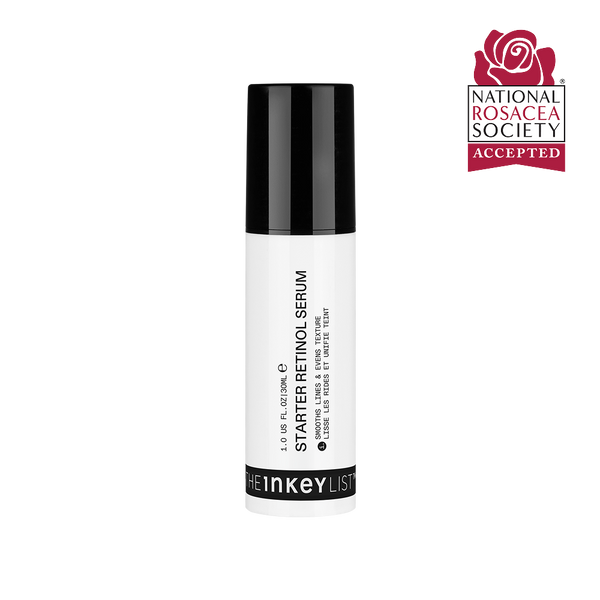
Understanding which vitamin A derivative suits your skin isn't just about choosing between "good" and "better." It's about recognizing where you are in your skincare journey, what your skin can tolerate, and how quickly you want to see results. Whether you're browsing the skincare aisles at Sephora, Ulta, or Target, INKEY has developed two targeted solutions: Starter Retinol for those beginning their vitamin A journey, and Advanced Retinal for those ready to experience the enhanced potency of retinaldehyde. Both are widely available across major US retailers, making effective vitamin A skincare accessible to everyone.
What is Retinal (Retinaldehyde)? How Does it Work?
Retinal, also called retinaldehyde, is a vitamin A derivative that's one conversion step away from retinoic acid—the active form your skin actually uses. This proximity to the final active form makes retinal significantly more potent and faster-acting than its more famous cousin, retinol.
To understand why retinal works so efficiently, we need to examine the vitamin A conversion pathway. When you apply any retinoid to your skin, it must convert to retinoic acid before delivering benefits. Retinol requires two conversion steps: first to retinal, then to retinoic acid. Retinal, however, only needs one conversion step directly to retinoic acid. This seemingly small difference creates profound implications for how quickly and effectively the ingredient works.
The science behind this conversion process is fascinating. Your skin cells contain specific enzymes responsible for these transformations. The enzyme alcohol dehydrogenase converts retinol to retinal, while aldehyde dehydrogenase converts retinal to retinoic acid. Because retinal bypasses the first conversion step, it can begin working immediately upon application, rather than waiting for your skin to process multiple molecular changes.
Recent research has revealed that retinal demonstrates 10 times higher bioavailability compared to retinol, meaning your skin absorbs and utilizes it far more efficiently. Studies also show that retinal achieves 25% higher skin penetration rates, ensuring more of the active ingredient reaches the cellular level where collagen synthesis and cellular renewal occur.
The cellular benefits of retinal mirror those of other retinoids but arrive more quickly. Within 2-4 weeks of consistent use, retinal stimulates cellular turnover, revealing fresher, more radiant skin. It promotes collagen production, helping to smooth fine lines and improve skin texture. The ingredient also regulates sebum production, making it beneficial for both anti-aging concerns and acne-prone skin.
What makes retinal particularly exciting for experienced retinoid users is its ability to deliver stronger results without necessarily increasing irritation beyond what you'd expect from traditional retinol. The 2025 AMWC Congress study demonstrated not only the 36.39% reduction in dynamic wrinkles but also showed improved skin tolerance compared to direct retinoic acid treatments.
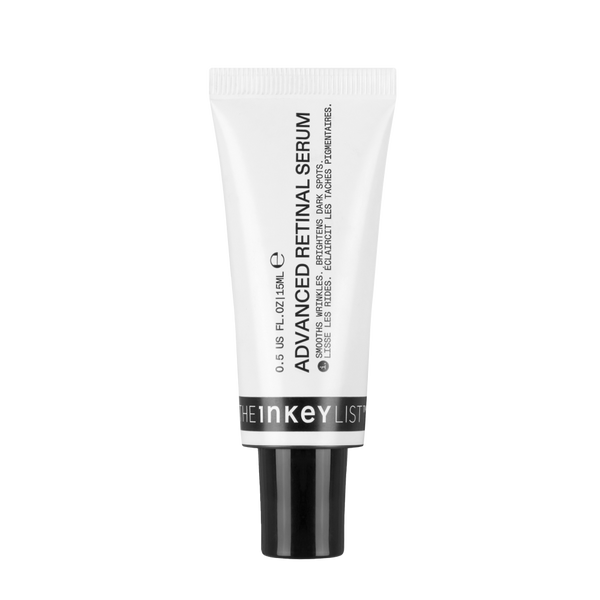
INKEY's Advanced Retinal harnesses this science with 0.05% retinaldehyde that clinically improves the 5 signs of aging without irritation: smooths wrinkles, fades dark spots, visibly firms, lifts and brightens. This formulation represents the perfect entry point into retinal skincare, offering professional-grade results with thoughtful formulation that prioritizes skin tolerance.
The enhanced efficacy of retinal comes with considerations for proper use. Because it works faster and more intensively, starting slowly remains crucial even for experienced retinoid users. The general recommendation involves beginning with once or twice weekly application, gradually increasing frequency as your skin adapts. This approach allows you to harness retinal's superior potency while minimizing potential irritation during the adjustment period.
As dermatologists across the US increasingly recommend vitamin A derivatives for anti-aging, understanding the difference between retinol and retinal becomes crucial for making informed choices. The FDA recognizes vitamin A derivatives as effective cosmetic ingredients for improving skin appearance when used properly, emphasizing the importance of gradual introduction and sun protection.
Can You Use Other Ingredients with Retinoids?
Understanding how to combine retinoids with other skincare ingredients can dramatically enhance your routine's effectiveness while minimizing potential irritation. The key lies in knowing which combinations work synergistically, which require careful timing, and which ingredients can help buffer retinoid intensity for sensitive skin.
Retinoids + Niacinamide: Perfect Partners
Can you use niacinamide with retinol? Absolutely. Niacinamide actually helps reduce retinoid irritation while providing its own benefits like reducing redness and regulating oil production. This combination represents one of the most harmonious partnerships in skincare, with niacinamide acting as both a complementary active and a soothing agent.
Niacinamide's anti-inflammatory properties make it an ideal companion for retinoids, particularly during the initial adjustment period when skin may experience dryness or sensitivity. The ingredient works by strengthening the skin barrier, which helps your skin better tolerate vitamin A derivatives while maintaining hydration levels. Additionally, niacinamide's sebum-regulating properties complement retinoids' pore-refining effects, making this combination particularly beneficial for those dealing with both aging concerns and occasional breakouts.
The beauty of this pairing lies in its flexibility. You can apply niacinamide before your retinoid to create a protective buffer, mix them together if your products allow, or apply niacinamide in the morning and retinoids in the evening. Look for high-quality niacinamide serums that provide effective concentrations without irritation.
Clinical studies have shown that combining niacinamide with retinoids can improve skin texture more effectively than using either ingredient alone. The combination addresses multiple aging pathways: niacinamide boosts ceramide production for barrier repair, while retinoids stimulate collagen synthesis and cellular renewal.
Retinoids + Hyaluronic Acid: Hydration Heroes
Can you use hyaluronic acid with retinol? This is an ideal combination. Hyaluronic acid provides essential hydration that helps counteract any dryness from retinoids. This pairing represents perhaps the most universally beneficial retinoid combination, suitable for all skin types and particularly crucial for maintaining skin comfort during retinoid use.
Hyaluronic acid's ability to hold up to 1,000 times its weight in water makes it the perfect companion for retinoids, which can sometimes compromise the skin barrier during the adjustment period. By providing intense hydration, hyaluronic acid helps maintain skin plumpness and comfort while retinoids work to renew and repair at the cellular level.
The application technique for this combination can significantly impact results. Apply hyaluronic acid to slightly damp skin first, allowing it to draw moisture into the skin, then follow with your retinoid product. This method, known as the "wet skin technique," maximizes hyaluronic acid's hydrating potential while creating a more comfortable environment for retinoid application.
American skincare experts often recommend this pairing particularly in dry climates or during winter months when indoor heating can exacerbate retinoid-induced dryness. A quality hyaluronic acid serum can transform the retinoid experience, particularly for those with dry or sensitive skin common in various US climate zones.
Retinoids + Vitamin C: Timing Matters
Can you use vitamin C with retinol? Yes, but timing is key. These ingredients can potentially irritate when used together, so separate them. The relationship between vitamin C and retinoids exemplifies why understanding ingredient timing can make or break your routine's success.
Both vitamin C and retinoids are potent actives that can cause sensitivity, particularly when first introduced or when used by those with reactive skin. The conventional wisdom suggests using vitamin C in the morning and retinoids in the evening, taking advantage of vitamin C's antioxidant protection during daytime environmental exposure while allowing retinoids to work their regenerative magic during overnight skin repair.
Morning vitamin C application provides crucial antioxidant protection against free radical damage from UV exposure and pollution, while retinoids applied in the evening take advantage of the skin's natural repair cycle. This timing strategy also prevents potential pH conflicts that could reduce the effectiveness of either ingredient.
For your morning routine, consider incorporating a potent vitamin C serum to provide comprehensive antioxidant protection while your retinoid continues working from the previous evening's application. This approach works particularly well in various American climate conditions where environmental stressors from pollution and intense sun exposure require robust antioxidant protection.
Some experienced users successfully combine vitamin C and retinoids in the same routine by using them on alternating days or by ensuring adequate time between applications. However, this approach requires careful attention to skin response and should only be attempted after establishing tolerance to each ingredient individually.
Retinoids + AHAs/BHAs: Start Slowly
The combination of retinoids with alpha hydroxy acids (AHAs) or beta hydroxy acids (BHAs) requires the most careful approach of all ingredient pairings. Both retinoids and chemical exfoliants work to accelerate cellular turnover, and combining them can potentially over-exfoliate sensitive skin while providing enhanced benefits for resilient complexions.
AHAs like glycolic acid and lactic acid focus on surface exfoliation, removing dead skin cells and improving skin texture and brightness. BHAs like salicylic acid penetrate pores to clear congestion and reduce inflammation. When combined thoughtfully with retinoids, these acids can enhance overall skin renewal and address multiple concerns simultaneously.
The key to successful combination lies in alternating application nights rather than layering products. Start with using your retinoid twice weekly and AHA or BHA once weekly, gradually increasing frequency as your skin builds tolerance. An effective protocol might involve using retinoids on Monday and Thursday nights, with an AHA on Saturday night, leaving other evenings for gentle, hydrating products.
This combination works particularly well for addressing multiple skin concerns: retinoids tackle fine lines and collagen production, AHAs improve surface texture and radiance, and BHAs address pore congestion and occasional breakouts. However, the potential for irritation increases significantly, making gradual introduction absolutely essential.
Remember: Always introduce new combinations slowly. Your skin needs time to adapt to increased active ingredient exposure. Start with less frequency and build tolerance gradually over several weeks.
Advanced users who successfully combine retinoids with chemical exfoliants often report dramatic improvements in skin texture, clarity, and overall radiance. However, this approach requires patience, careful monitoring of skin response, and the wisdom to reduce frequency if irritation occurs. The goal is enhanced results, not compromised skin barrier function.
|
Factor |
Starter Retinol |
Advanced Retinal |
|
Active Ingredient |
Retinol |
0.05% Retinaldehyde |
|
Conversion steps to retinoic acid |
2 steps |
1 step |
|
Strength |
Gentler, barrier-supporting |
Stronger, more direct |
|
Results timeline |
6-12 weeks |
4-8 weeks |
|
Best for |
Beginners, sensitive skin, first signs of aging |
Experienced users wanting faster results |
|
Key Benefits |
Barrier-supporting, gentle introduction to vitamin A |
Clinically improves 5 signs of aging without irritation |
|
Potential irritation |
Lower risk |
Moderate risk |
|
Clinical Claims |
First signs of aging |
Smooths wrinkles, fades dark spots, firms, lifts, brightens |
|
Availability |
theinkeylist.com, Sephora, Ulta, Target |
theinkeylist.com, Sephora, Ulta, Target |
|
Price Point |
Affordable, under $20 |
Premium value, under $25 |
Both products deliver proven anti-aging benefits—the choice depends on your experience level and skin tolerance.
The Starter Retinol represents the perfect introduction to vitamin A skincare. Its barrier-supporting formula helps newcomers build tolerance gradually while addressing early signs of aging. The gentler approach means results appear over 6-12 weeks, allowing skin to adapt without overwhelming the barrier function. This makes Starter Retinol excellent for building long-term retinoid tolerance while maintaining healthy skin.
American dermatologists frequently recommend starting with gentler formulations like INKEY's Starter Retinol, particularly for those with sensitive skin or concerns about retinoid tolerability. The gradual approach aligns with evidence-based skincare practices that prioritize sustainable, long-term results over aggressive quick fixes.
The Advanced Retinal harnesses the enhanced potency of 0.05% retinaldehyde to deliver visible improvements in 4-8 weeks. Its clinical claims—smoothing wrinkles, fading dark spots, firming, lifting, and brightening—reflect the comprehensive anti-aging benefits possible with this more advanced formulation. Despite its increased strength, the formula prioritizes skin tolerance, making it suitable for those ready to upgrade their vitamin A routine.
Frequently Asked Questions
Understanding the nuances between retinol and retinal, particularly INKEY's specific formulations, often raises specific questions about their use, effectiveness, and suitability for different skin types. Here are the most common queries to help you make informed decisions about incorporating them into your routine.
Is retinal stronger than retinol?
Yes, retinal is generally stronger than retinol because it converts to retinoic acid in one step instead of two. This means it works faster but can also be more irritating for sensitive skin.
The strength difference stems from retinal's molecular proximity to retinoic acid, the active form that actually creates visible skin changes. INKEY's Advanced Retinal with 0.05% retinaldehyde delivers more immediate and often more intense results compared to the Starter Retinol.
However, "stronger" doesn't always mean "better" for every user. The increased strength means retinal can potentially cause more initial irritation, particularly for those with sensitive skin or those new to retinoids. The key is understanding that strength should match your skin's current tolerance level and your desired timeline for results.
Clinical studies demonstrate that retinal's enhanced bioavailability and faster conversion pathway create more immediate cellular changes. The 2025 AMWC Congress research showing 36.39% reduction in dynamic wrinkles with retinal illustrates this enhanced potency in action. For experienced retinoid users, this increased strength often represents exactly what they're seeking to advance their anti-aging routine.
US skincare professionals often emphasize that "stronger" should always be balanced with "suitable"—choosing the right strength for your skin's current needs rather than assuming more potent equals better results.
Which is better: INKEY Starter Retinol or Advanced Retinal?
Neither is inherently "better"—it depends on your skin type and experience. Starter Retinol is ideal for beginners or sensitive skin, while Advanced Retinal suits those wanting faster results who can tolerate stronger actives.
The "better" product is the one that matches your current skincare needs and goals. Starter Retinol excels for building retinoid tolerance, providing gentle introduction to vitamin A benefits, and delivering reliable long-term results without overwhelming sensitive skin. Its barrier-supporting formula makes it an excellent choice for most people beginning their vitamin A journey.
Advanced Retinal becomes "better" when you need faster results, have built tolerance to retinol, or want to address more established aging concerns. Its enhanced efficacy and accelerated timeline make it particularly valuable for experienced users ready to intensify their routine.
Consider your skin's current state: if you're dealing with sensitivity, starting a vitamin A routine, or prefer gradual changes, Starter Retinol provides the ideal introduction. If you've used retinoids before, have resilient skin, or want to see improvements quickly, Advanced Retinal offers the advancement you're seeking.
Many US users find success by starting with Starter Retinol to build tolerance, then transitioning to Advanced Retinal after 3-6 months of consistent use. This approach provides the best of both worlds: safe introduction followed by enhanced results.
How long does Advanced Retinal take to work?
Most people see initial improvements in 4-8 weeks with INKEY's Advanced Retinal, compared to 6-12 weeks with Starter Retinol. However, significant anti-aging results typically take 3-6 months with consistent use.
The faster timeline reflects retinal's enhanced bioavailability and direct conversion pathway. Users often notice improved skin texture and radiance within the first month, with fine line reduction becoming apparent by 6-8 weeks. These initial improvements provide encouraging feedback that motivates continued use through the longer timeline needed for significant anti-aging benefits.
The 4-8 week timeframe represents surface-level improvements: enhanced cellular turnover creating smoother texture, improved radiance from better skin renewal, and initial fine line softening. The deeper anti-aging benefits—significant collagen production, substantial wrinkle reduction, and major texture improvements—require the same 3-6 month commitment as other retinoids.
Understanding this timeline helps set realistic expectations. While Advanced Retinal works faster than Starter Retinol, it's still not an overnight solution. The accelerated initial results can provide motivation to continue through the longer timeline needed for transformative anti-aging benefits. Consistency remains crucial regardless of which INKEY vitamin A product you choose.
American skincare culture increasingly values evidence-based approaches to anti-aging, making this realistic timeline particularly important for setting appropriate expectations and ensuring long-term success.
Can I switch from Starter Retinol to Advanced Retinal?
Yes, but treat Advanced Retinal as a new ingredient. Start with less frequent use (1-2 times per week) even if you use Starter Retinol nightly. Your skin needs time to adjust to the increased potency.
The transition from Starter Retinol to Advanced Retinal requires respecting the increased strength despite your retinoid experience. Even though you've built tolerance to retinol, retinal's enhanced potency means your skin needs time to adapt to the increased intensity.
Begin with once or twice weekly application, gradually increasing frequency over 4-6 weeks as your skin adapts. This gradual approach allows you to assess your skin's response while building tolerance safely. Many users successfully transition by alternating Advanced Retinal with their Starter Retinol for the first few weeks before fully switching.
Think of switching from Starter Retinol to Advanced Retinal like upgrading from gentle exercise to intensive training—you need a transition period even though you're already fit.
The transition timeline varies by individual, but most experienced Starter Retinol users can work up to nightly Advanced Retinal use within 6-8 weeks. Pay attention to your skin's signals: any increased irritation, dryness, or sensitivity indicates the need to slow down the transition process.
US dermatologists recommend this cautious approach particularly during seasonal changes when skin may be more reactive to environmental factors, suggesting spring or early fall as ideal transition periods when humidity levels are more stable.
Do INKEY Starter Retinol and Advanced Retinal have the same side effects?
Both can cause initial dryness, peeling, and sensitivity, but Advanced Retinal may produce these effects more quickly or intensely. Always start slowly and build tolerance gradually.
The side effect profile for retinoids is generally consistent: initial dryness, mild peeling, temporary redness, and increased photosensitivity. These effects typically appear during the first 2-4 weeks of use as skin adapts to increased cellular turnover. Both Starter Retinol and Advanced Retinal can produce these adjustment symptoms.
The key difference lies in timing and intensity. Advanced Retinal's enhanced potency often means adjustment symptoms appear more quickly and may be more noticeable initially. Users might experience these effects within the first week of Advanced Retinal use, compared to the gradual onset typical with Starter Retinol introduction.
Managing side effects involves the same strategies regardless of which product you use: start slowly, use appropriate moisturization, apply sunscreen religiously, and adjust frequency based on skin response. The goal is building tolerance while minimizing discomfort, allowing you to achieve retinoid benefits without compromising skin barrier function.
Most users find that initial side effects resolve within 4-6 weeks as skin adapts to increased cellular activity. Those who experience persistent irritation should reduce application frequency, ensure adequate hydration, and consider consulting a skincare professional for personalized guidance.
The FDA emphasizes the importance of gradual introduction and proper sun protection when using vitamin A derivatives, recommendations that apply equally to both INKEY formulations.
Choosing Your INKEY Vitamin A Path Forward
The journey through vitamin A derivatives ultimately leads to one crucial realization: both Starter Retinol and Advanced Retinal offer transformative benefits when matched appropriately to your skin's needs and your commitment level. The science clearly demonstrates that retinal's enhanced bioavailability and faster conversion pathway create more immediate results, while retinol's gentler approach provides an ideal introduction to vitamin A benefits.
Your choice should reflect where you are in your skincare journey rather than chasing the "strongest" option. If you're beginning with vitamin A derivatives, Starter Retinol offers the perfect foundation for building tolerance and understanding how your skin responds to retinoids. Its barrier-supporting formula provides proven efficacy with gentle introduction protocols that align with evidence-based American skincare practices focused on gradual, sustainable improvement.
For those ready to advance their routine, Advanced Retinal represents the next evolution in vitamin A skincare. The 2025 clinical data showing 36.39% wrinkle reduction and 10x bioavailability advantage makes a compelling case for experienced users seeking accelerated results. The key lies in respecting retinal's enhanced potency through proper introduction protocols.
Perhaps most importantly, remember that consistency trumps potency every time. A gentle retinoid used nightly for months delivers far superior results to a strong one used sporadically. Whether you choose Starter Retinol or Advanced Retinal, commit to the process, protect your skin with daily SPF (particularly important in high-UV American climates), and allow time for the remarkable transformation that vitamin A derivatives provide.
The future of your skin lies not in finding the perfect product, but in finding the right INKEY product for your current needs and using it consistently. Both Starter Retinol and Advanced Retinal can deliver the anti-aging benefits you're seeking—the choice simply determines your timeline and experience along the way.
Ready to begin or advance your vitamin A journey? Whether you're shopping at Sephora, Ulta, Target, or online, start by understanding your current tolerance level, choose between Starter Retinol for gentle introduction or Advanced Retinal for enhanced results, and commit to the consistent use that transforms good skincare intentions into visible, lasting results. Both products represent exceptional value in the US skincare market, delivering professional-grade results at accessible price points that make effective vitamin A skincare available to everyone.
Got a question?
Our askINKEY team are a friendly bunch of skincare experts with deep product knowledge and zero judgement. Whether you're an ingredient obsessive or just starting out, we'll make it make sense. No question too big. No question too small. We Give A Care, Every Day.


