



Pigmentation Around the Mouth: Causes & How to Treat It
From hormones to hair removal, here's why pigmentation shows u
Author
askINKEY skincare advisor
Published
11 October, 2026
Time to read
9 minutes
Pigmentation around the mouth refers to patches of skin on or surrounding the lips, upper lip, or corners of the mouth that appear darker than the rest of your complexion due to excess melanin. It’s a common cosmetic skin concern, not a medical condition, and the good news is that it typically responds well to the right combination of ingredients and consistency. In this guide, we’ll break down what causes pigmentation around the mouth, how to figure out which type you’re dealing with, and a step-by-step ingredient routine designed to help visibly fade it over time.
What Is Pigmentation Around the Mouth?
Pigmentation around the mouth is the appearance of darker patches of skin on or near the lips, the upper lip area, or the corners of the mouth, caused by an overproduction of melanin in that specific area. It is not a rash, an infection, or a sign that something is medically wrong. It’s simply a shift in how much pigment your skin is producing in a localized zone, and it’s one of the most common concerns we hear about at The INKEY List, right alongside general uneven tone and post-breakout marks.
This type of pigmentation can affect any skin tone, but it tends to be more visually noticeable on medium to deep skin tones, where the contrast between the pigmented area and surrounding skin is more pronounced. That doesn’t mean lighter skin tones are exempt. It simply means the visibility, and sometimes the intensity, can vary from person to person.
One of the most useful things to understand early on is that “pigmentation around the mouth” isn’t a single, uniform condition. It’s really an umbrella term that covers several distinct underlying causes, each with its own pattern and trigger. These include:
- Hormonal pigmentation (melasma), often linked to pregnancy, birth control, or natural hormonal fluctuations
- Post-inflammatory hyperpigmentation (PIH), which develops after breakouts, cuts, or irritation
- Friction-related darkening, triggered by waxing, threading, or repeated touching
- Sun-induced pigmentation, where UV exposure accelerates melanin production
We’ll walk through each of these in detail in the next section, because identifying the “why” behind your specific pigmentation is what allows you to choose the right ingredients and routine.
A helpful distinguishing feature: pigmentation around the mouth is typically flat against the skin, not raised, bumpy, or textured. This is a useful way to differentiate it from an active breakout, a rash, or irritation that’s still in progress. If the area is flat and simply discoloured, you’re likely looking at pigmentation rather than an active skin concern.
It’s also worth setting expectations honestly from the outset. Pigmentation can take weeks to months to visibly fade, and consistency with your routine matters far more than chasing a single “miracle” ingredient. There’s no overnight fix here, but there is a reliable, evidence-backed path forward. Understanding the “why” behind your pigmentation is the first real step toward treating it effectively, so let’s look at exactly what causes it.
What Causes Pigmentation Around the Mouth?
Pigmentation around the mouth is most commonly caused by one (or a combination) of five factors: hormonal changes, post-inflammatory hyperpigmentation from breakouts, irritation from hair removal, friction from repeated touching, and sun exposure. Each of these triggers melanin production in slightly different ways, which is why the same dark patch can look different from person to person. Let’s unpack each one.
Hormonal Changes and Melasma
Melasma is a form of hyperpigmentation driven by hormonal fluctuations, and it’s one of the most frequent causes of pigmentation specifically around the mouth, upper lip, and cheeks. It’s commonly associated with pregnancy (sometimes nicknamed “the mask of pregnancy”), hormonal birth control, and other hormonal shifts such as those related to thyroid function or hormone replacement therapy. Melasma tends to show up symmetrically, meaning it often appears in a mirrored pattern on both sides of the face, and it is notoriously sensitive to heat and UV exposure, both of which can make it noticeably darker.
Post-Inflammatory Hyperpigmentation (PIH) From Breakouts
If you’ve ever had a breakout around your mouth or chin and noticed a flat brown or dark mark left behind once the spot itself healed, you’ve experienced post-inflammatory hyperpigmentation firsthand. PIH happens when inflammation, whether from a blemish, a cut, or irritation, triggers your skin to produce extra melanin as part of its healing response. This is especially common and especially visible on medium to deep skin tones, where PIH can sometimes linger longer than the original blemish itself.
Irritation From Waxing, Threading, or Other Hair Removal
Upper-lip hair removal is one of the most overlooked contributors to pigmentation in this area. Waxing and threading both involve repeated physical trauma to the skin barrier, even when done correctly, and that micro-trauma can trigger an inflammatory response. In skin that’s prone to pigmentation, that inflammation translates directly into melanin overproduction in the exact spot where the trauma occurred, which is why so many people notice darkening specifically along the upper lip after regular waxing or threading sessions.
Friction and Repeated Touching
This is one of the lesser-discussed triggers, but it’s surprisingly common. Habits like frequently licking your lips, using harsh scrubs to exfoliate the mouth area, aggressively rubbing or wiping during makeup removal, or simply touching and rubbing the corners of your mouth throughout the day can all create chronic, low-grade irritation. Over time, that repeated friction can lead to localized darkening, even without a single obvious trigger event like a breakout or a wax.
Sun Exposure
UV exposure accelerates melanin production anywhere on the face, and the skin around the mouth is no exception. Sun exposure can be a standalone cause of new pigmentation, but just as importantly, it also acts as an amplifier for the other causes on this list. Existing melasma, PIH, or irritation-related marks can all become darker and more stubborn to fade when exposed to UV rays, which is a big part of why daily SPF plays such a central role in any treatment plan (more on that shortly).
It’s worth noting that these causes frequently overlap rather than existing in isolation. Someone with hormonal melasma, for example, may also find their pigmentation worsens after a wax or a few days in the sun. This is completely normal, and it’s exactly why identifying the full picture of your pigmentation, rather than assuming it’s “just one thing,” matters so much when it comes to treating it effectively. Knowing the cause is only half the picture, though. The next step is figuring out which specific type of pigmentation you’re actually dealing with.
How to Identify Your Type of Pigmentation Around the Mouth
You can often get a strong sense of which type of pigmentation around the mouth you’re dealing with by looking at its pattern, colour, and how it first appeared. This self-check isn’t a medical diagnosis, but it’s a genuinely useful starting point for choosing the right ingredients and routine. Here’s how the main types typically present.
Melasma or hormonal pigmentation tends to show up as symmetrical, brownish-grey patches, often appearing not just around the mouth but also on the cheeks or forehead. It frequently worsens with heat, such as from exercise, hot showers, or sun exposure, and can fluctuate in intensity alongside hormonal changes.
Post-inflammatory hyperpigmentation (PIH) appears as flat marks located exactly where a previous blemish, cut, or irritation occurred. Depending on your skin tone, these marks may look brown, dark red, or purple. PIH does tend to fade gradually on its own over time, but that process can be slow, which is why most people choose to speed it along with targeted ingredients.
Friction or irritation-related marks are usually localized to one very specific spot, such as the corner of the mouth or the upper lip area where waxing or threading typically happens. In the early stages, the area might feel slightly rough or sensitive to the touch before it settles into a flatter, more defined dark mark over time.
Sun-induced pigmentation tends to be more diffuse and spread out, rather than appearing as one isolated patch. It often shows up alongside other visible signs of sun exposure elsewhere on the face, such as fine lines or general unevenness in skin tone.
A simple way to narrow things down is to ask yourself a few direct questions:
- Did this mark appear shortly after a breakout, cut, or irritation?
- Did it develop after waxing, threading, or another hair removal method?
- Has it appeared gradually over time, without one clear triggering event?
- Does it seem to come and go, or get noticeably worse, in connection with hormonal changes like your cycle, pregnancy, or starting a new birth control method?
Your answers can point you toward the most likely cause (or causes) at play. And if more than one of these resonates with you, that’s genuinely common. It’s entirely possible, for example, to have some hormonal melasma around the mouth that’s also been made more noticeable by regular waxing or unprotected sun exposure. Overlapping causes don’t make your pigmentation more complicated to treat; they just mean a well-rounded routine, rather than a single targeted product, is usually the most effective path forward. Once you have a clearer sense of what you’re working with, it’s time to look at the ingredients that can help, regardless of the exact cause behind your pigmentation.
Ingredients That Help Fade Pigmentation Around the Mouth
Most pigmentation around the mouth, regardless of its specific cause, responds to the same general strategy: interrupting excess pigment production, supporting healthy cell turnover, calming inflammation, and keeping the skin barrier hydrated and resilient throughout the process. Rather than relying on one single “hero” ingredient, the most effective approach combines a few of these categories together.
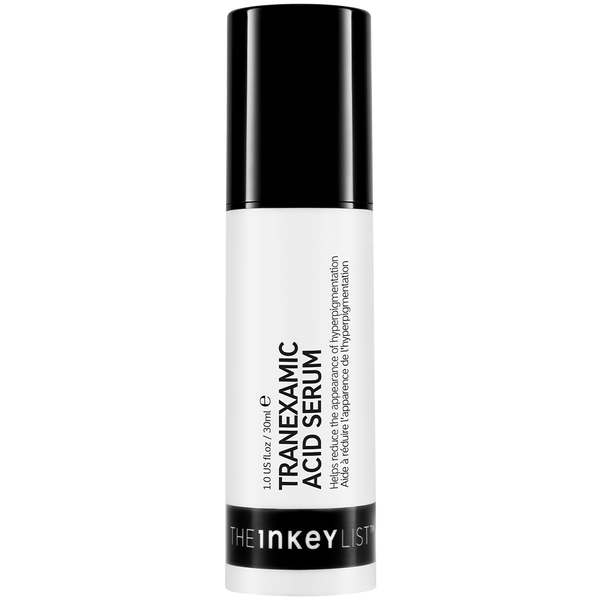
Tranexamic acid is one of the most direct options for targeting dark spots and discolouration. It works by interrupting the pigment-transfer process within the skin, making it a strong choice for stubborn or recurring pigmentation, including melasma. Our Tranexamic Acid Serum ($26.00) is formulated specifically to address this kind of discolouration at its source.
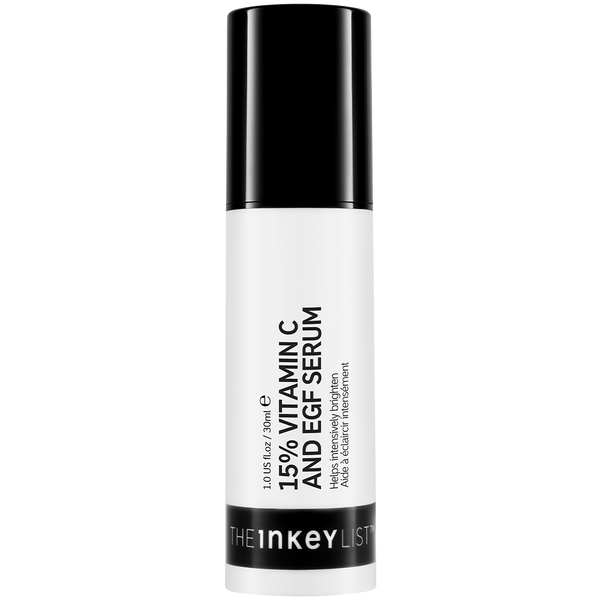
Vitamin C is a well-known brightening ingredient that also offers antioxidant protection, helping to defend skin against the environmental stress (think pollution and UV exposure) that can worsen existing pigmentation over time. The 15% Vitamin C + EGF Serum ($27.00) combines brightening benefits with added support for overall skin tone.
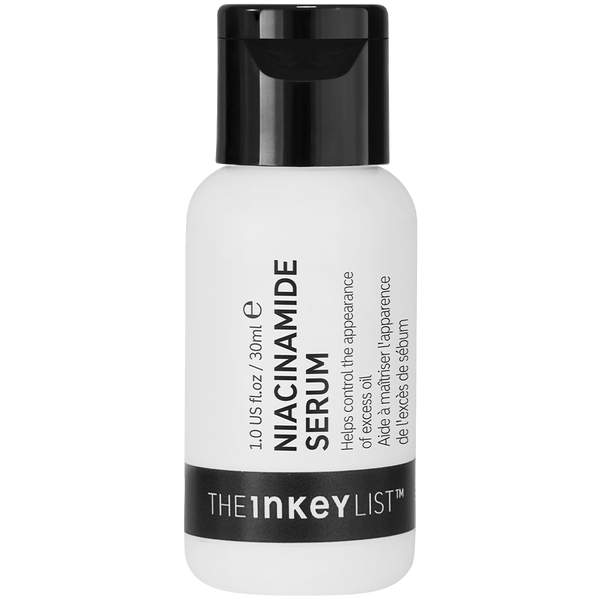
Niacinamide is a true multitasker here. It supports a more even-looking skin tone, helps strengthen the skin barrier, and calms the redness that often accompanies post-inflammatory hyperpigmentation. The 10% Niacinamide Serum($18.00) is a gentle, versatile option that works well for most pigmentation types.
Azelaic acid is particularly useful for pigmentation linked to breakouts or irritation, since it helps calm post-inflammatory marks and reduce redness at the same time. If your pigmentation tends to show up after blemishes or waxing, the 10% Azelaic Acid Serum for Redness Relief ($27.00) can help address both the discolouration and the underlying irritation.
Glycolic acid offers gentle exfoliation that encourages healthy cell turnover, which helps pigmented skin cells shed more efficiently over time rather than lingering on the surface. The Glycolic Acid Toner ($24.50) is a simple way to introduce this kind of exfoliation without overcomplicating your routine.
Salicylic acid is especially relevant if your pigmentation stems primarily from breakouts, since preventing new blemishes is one of the most effective ways to prevent new post-inflammatory marks from forming in the first place. The Salicylic Acid Cleanser ($20.00) can help keep breakout-prone skin around the mouth and chin clearer.
Hyaluronic acid rounds out the routine as the hydration layer that should sit alongside all of these active ingredients. Keeping skin well hydrated helps protect the barrier while you’re using actives, which matters because compromised, dry skin is more prone to irritation, and irritation can worsen pigmentation. The Hyaluronic Acid Serum ($18.00) is a lightweight way to maintain that hydration without adding heaviness to your routine.
A quick but important note: these are active ingredients, and the skin around the mouth tends to be more delicate than other areas of the face. Introduce new products gradually, one at a time, and always patch test before adding anything new to your routine. Now that we’ve covered the key ingredients, let’s look at exactly how and when to use them together in a simple, realistic routine.
A Step-by-Step Routine to Treat Pigmentation Around the Mouth
Treating pigmentation around the mouth works best with a simple, consistent AM and PM routine built around a few key actives, rather than layering on every product at once. Here’s a straightforward structure to follow.
Your AM routine:
- Cleanse gently with a lightweight, non-stripping cleanser
- Apply a hydrating serum, such as the Hyaluronic Acid Serum, to support the skin barrier
- Follow with a treatment serum, such as vitamin C or tranexamic acid, to brighten and target discolouration
- Moisturise to lock in hydration
- Finish with a broad-spectrum SPF 30+ of your choice, applied as the final step every single morning
That last step genuinely cannot be skipped. UV exposure is one of the main drivers of pigmentation, and it can actively undo progress made by your active ingredients if skipped regularly.
Your PM routine:
- Cleanse, using the Salicylic Acid Cleanser if you’re breakout-prone, or a gentle cleanser otherwise
- Apply a hydrating serum to replenish moisture after cleansing
- Follow with a treatment serum suited to your pigmentation type: tranexamic acid for general discolouration, niacinamide for barrier support and tone, or azelaic acid for post-inflammatory marks and redness
- Moisturise to finish
Where exfoliation fits in: the Glycolic Acid Toner should be introduced as a separate step, used a few times a week rather than daily, and not stacked with other strong actives on the same night. The skin around the mouth is thinner and more reactive than much of the rest of the face, so over-exfoliating this area can do more harm than good.
In terms of timeline, most people start to notice initial improvement within 2 to 4 weeks of consistent use, with more visible changes to overall tone and discolouration becoming apparent around the 6 to 8 week mark. This isn’t an overnight process, and that’s completely normal. Pigmentation forms gradually, and it fades gradually too.
One more practical point worth repeating: the skin around the mouth is uniquely exposed to constant movement from talking and eating, plus repeated contact with products like toothpaste and lip balm. This makes it more reactive than you might expect, so introducing one new active ingredient at a time, and patch testing before you do, is genuinely worth the extra few days of patience. Once your routine is up and running, the next question most people have is how to stop new pigmentation from forming in the first place.
How to Help Prevent Pigmentation Around the Mouth From Returning
Preventing new pigmentation around the mouth comes down to a handful of consistent habits, with daily sun protection sitting at the very top of that list. Since UV exposure is one of the most powerful triggers for melanin production, wearing a broad-spectrum SPF 30+ of your choice every single day is the single most effective thing you can do to protect the progress you’ve made and reduce the likelihood of new pigmentation forming.
Beyond sun protection, a few other habits make a meaningful difference over time:
- Be mindful with hair removal. If you wax or thread your upper lip, pay attention to wax temperature, avoid repeatedly working over the exact same area in one session, and follow up with a soothing, fragrance-free product to calm the skin afterward.
- Break friction-based habits. Aggressive scrubbing, over-exfoliating, or frequently touching and rubbing the mouth area can all contribute to the kind of chronic low-grade irritation that leads to darkening over time. Being more conscious of these habits can meaningfully reduce new pigmentation.
- Keep your barrier strong. Consistent hydration matters here because compromised, dry, or irritated skin is simply more prone to developing post-inflammatory pigmentation. A well-hydrated barrier is more resilient against everyday stressors.
- Treat breakouts gently. It’s tempting to pick at a blemish around the mouth or chin, but picking significantly increases the risk of leaving behind a post-inflammatory mark. Letting products like azelaic acid serum do the work, rather than your fingers, goes a long way.
It’s worth being realistic here too: prevention is about meaningfully reducing the likelihood of new pigmentation forming, not guaranteeing it will never happen again. Skin is responsive to so many factors, from hormones to sun exposure to daily habits, that “never again” isn’t a promise anyone can honestly make. What is realistic is a noticeably lower chance of new marks forming when these habits become part of your everyday routine. With both treatment and prevention covered, let’s address some of the most common specific questions people have about pigmentation around the mouth.
Final Thoughts on Treating Pigmentation Around the Mouth
Pigmentation around the mouth has several identifiable causes, from hormonal shifts and post-breakout marks to friction and sun exposure, and in most cases, more than one of these factors is at play at once. The encouraging part is that once you understand what’s driving your specific pigmentation, a thoughtful combination of ingredients like tranexamic acid, vitamin C, niacinamide, and azelaic acid, paired with consistent use and daily SPF, can lead to real, visible improvement over time. This isn’t about chasing a quick fix or expecting pigmentation to disappear overnight; it’s about steady, realistic progress built on ingredients that are genuinely backed by how skin works.
If you’re ready to start, there’s no need to overhaul your entire routine at once. Pick one or two ingredients that match your specific type of pigmentation, whether that’s a tranexamic acid serum for general discolouration or an azelaic acid serum for post-breakout marks, and build from there. That’s the approach we believe in: clear guidance, proven ingredients, and real results, one step at a time.
Frequently Asked Questions
Got a question?
Our askINKEY team are a friendly bunch of skincare experts with deep product knowledge and zero judgement. Whether you're an ingredient obsessive or just starting out, we'll make it make sense. No question too big. No question too small. We Give A Care, Every Day.


