


5 Signs You Need Hyaluronic Acid Serum in Your Skincare Routine
Author
Written by JZ, INKEY's own Global Director of Education
Published
25 January, 2023
Your moisturizer just isn’t cutting it anymore. You’ve tried layering products, switching brands, even splurging on that expensive cream everyone raves about—but your skin still feels parched, looks tired, and seems to age faster than you’d like. If this sounds familiar, your skin might be sending you a clear message: it’s time to introduce hyaluronic acid into your routine.
Often called nature’s moisture magnet, hyaluronic acid is a remarkable molecule that can hold up to 1,000 times its weight in water. This isn’t just skincare marketing speak—it’s scientific fact. What makes this ingredient even more crucial is that our skin naturally produces hyaluronic acid, but production dramatically declines with age. By our 50s, we’ve lost approximately half of our body’s hyaluronic acid reserves, leaving our skin visibly thirsty for the hydration it once effortlessly maintained.
The beauty of hyaluronic acid serum lies not just in its incredible water-binding capacity, but in its universal appeal. Contrary to popular belief, this powerhouse ingredient isn’t reserved for dry skin types. Whether your skin is oily, combination, sensitive, or mature, hyaluronic acid works by drawing moisture from the environment and deeper layers of your skin to create a plumping, smoothing effect that benefits every complexion.
At The INKEY List, our knowledge-powered skincare approach means understanding exactly what your skin needs and when it needs it. What does hyaluronic acid do for your specific concerns? The answer often becomes clear when you recognize the subtle—and not-so-subtle—signs your skin displays when it’s crying out for this hydration hero.
But how do you know if your skin is desperately signaling for hyaluronic acid? The signs are more obvious than you might think, yet often overlooked in our daily routines. From that uncomfortable post-cleansing tightness to the gradual appearance of fine lines that seem to deepen overnight, your skin has a language of its own—and it’s time to learn how to listen.
1. Your Skin Feels Tight and Uncomfortable After Cleansing
The moment you finish washing your face shouldn’t feel like a countdown to discomfort. If your skin immediately feels tight, stretched, or uncomfortable the second you towel off, you’re witnessing the clearest sign that your skin barrier is compromised and desperately needs hyaluronic acid’s hydrating intervention.
This tightness isn’t normal—it’s your skin’s SOS signal. When properly balanced, your skin should feel soft, supple, and comfortable after cleansing, not like it’s been stripped of every drop of natural moisture. The sensation of tightness occurs when your skin’s natural moisture barrier has been disrupted, leaving it vulnerable to water loss and environmental stressors.
Here’s where understanding the science becomes crucial: dehydrated skin and dry skin are not the same thing. Dehydrated skin lacks water, while dry skin lacks oil. You can have oily skin that’s severely dehydrated, which explains why that uncomfortable post-cleanse feeling affects people across all skin types. When your skin is dehydrated, it overcompensates by producing more oil, creating a confusing cycle where you might think your skin is too oily when it’s actually crying out for water.
Hyaluronic acid works as a humectant, essentially acting like a moisture magnet for your skin. Clinical studies have shown that topical hyaluronic acid can improve skin hydration levels for up to 24 hours after application. Unlike heavy moisturizers that sit on top of your skin, hyaluronic acid penetrates multiple layers, binding water molecules and creating a reservoir of hydration from within.
The transformative effect is remarkable: instead of that tight, uncomfortable sensation after cleansing, your skin should feel balanced and ready for the next steps in your routine. This is particularly important if you’re using active ingredients like retinoids or exfoliating acids, which can be more irritating to already compromised, dehydrated skin.
Environmental factors significantly impact this tightness sensation. Central heating in winter, air conditioning in summer, hot showers, harsh weather conditions, and even airplane travel can accelerate moisture loss from your skin. If you’ve noticed this uncomfortable feeling becoming more pronounced during certain seasons or after specific activities, environmental dehydration is likely the culprit.
The solution isn’t necessarily switching to a gentler cleanser (though The INKEY List’s Oat Cleansing Balm can help prevent over-stripping). Instead, the most effective approach is introducing hyaluronic acid immediately after cleansing while your skin is still slightly damp. This creates the perfect environment for the hyaluronic acid to grab onto available water molecules and lock them into your skin.
Many people make the mistake of waiting for their skin to completely dry before applying serums, but with hyaluronic acid, damp skin is your friend. The residual water from cleansing provides the moisture that hyaluronic acid needs to work its magic. Follow with your regular moisturizer to seal in the hydration, and you’ll notice that uncomfortable tightness becomes a thing of the past.
Your skin’s barrier function relies on adequate hydration to maintain its protective capabilities. When this barrier is strengthened through proper hydration, your skin becomes more resilient to environmental stressors, less reactive to products, and better equipped to maintain its natural balance throughout the day.
2. Fine Lines Are Starting to Appear (Especially Around Your Eyes)
The delicate skin around your eyes is often the first place to broadcast your skin’s need for hyaluronic acid. Those fine lines that seem to appear overnight—especially after a poor night’s sleep, a stressful week, or during changing seasons—are your skin’s way of showing you its moisture reserves are running dangerously low.
Understanding why the eye area is particularly vulnerable helps explain why hyaluronic acid is so crucial for early intervention. The skin around your eyes is approximately 10 times thinner than the skin on the rest of your face, with fewer oil glands and less natural protection against moisture loss. Add to this the constant movement from blinking, squinting, smiling, and expressing emotions, and you have the perfect storm for early signs of aging to appear.
Here’s the encouraging news: early fine lines are often primarily caused by dehydration rather than true aging. This means they’re highly responsive to proper hydration interventions. When skin cells are adequately hydrated, they plump up naturally, creating a smoothing effect that can dramatically reduce the appearance of these early lines. Clinical research demonstrates that hyaluronic acid can reduce the depth of wrinkles and improve skin elasticity within just a few weeks of consistent use.
The science behind this transformation is fascinating. Hyaluronic acid molecules attract water into the skin cells, causing them to swell slightly and push up against the surface. This creates an immediate plumping effect that fills in fine lines from beneath, while also stimulating the skin’s natural collagen production over time. The result is both instant gratification and long-term improvement.
What sets hyaluronic acid apart from more aggressive anti-aging ingredients is its gentleness. While retinoids and strong acids can be too harsh for the delicate eye area, hyaluronic acid is naturally occurring in your body and inherently biocompatible. This makes it an ideal first line of defense against aging, suitable for use morning and evening without the irritation risk associated with other anti-aging actives.
The preventative aspect cannot be overstated. Starting hyaluronic acid when you first notice fine lines—typically in your mid-to-late twenties—can significantly slow their progression into deeper wrinkles. It’s far easier to prevent a line from forming than to correct one that’s already established. Think of hyaluronic acid as your skin’s insurance policy against premature aging.
For those already incorporating retinol eye cream into their anti-aging routine, hyaluronic acid serves as the perfect complement. Where retinol works by accelerating cell turnover and stimulating collagen production (which can be drying), hyaluronic acid provides the essential hydration support that makes retinol more tolerable and effective. Proper layering techniques ensure you get maximum benefits from both ingredients without irritation.
The immediate versus long-term benefits timeline is particularly encouraging for those just starting to see fine lines. Most people notice an immediate softening and plumping effect within hours of first application, as the hyaluronic acid begins binding available moisture. Over 4-6 weeks of consistent use, you’ll see cumulative improvements in skin texture, elasticity, and overall resilience.
Environmental aggressors play a significant role in accelerating fine line formation around the eyes. UV exposure, pollution, digital screen time (which reduces blink rates and can lead to eye strain), and even sleeping positions can all contribute to the breakdown of this delicate area. Hyaluronic acid provides a protective moisture barrier that helps shield against these daily assaults.
The key to maximizing results in the eye area is application technique. Use your ring finger (the weakest finger) to gently pat the serum from the inner corner of your eye outward, covering both the under-eye area and the lid. Avoid pulling or dragging the skin, and always apply to slightly damp skin for optimal absorption.
3. Your Complexion Looks Dull and Lacks Radiance
A lackluster complexion that seems to have lost its natural glow is one of the most telling signs that your skin is parched for hyaluronic acid. When skin is properly hydrated, it literally reflects light differently, creating that coveted “lit from within” radiance that no highlighter can replicate. If you find yourself reaching for more and more illuminating products to recreate a glow that used to come naturally, dehydration is likely the underlying culprit.
The science of skin luminosity is intimately connected to hydration levels. Well-hydrated skin cells are plump, smooth, and perfectly aligned, creating an even surface that reflects light uniformly. Think of the difference between a raisin and a grape—both are essentially the same fruit, but the hydrated grape has a glossy, reflective surface while the dehydrated raisin appears dull and wrinkled. Your skin operates on the same principle.
When skin lacks adequate moisture, several processes work against your natural radiance. First, dehydrated skin cells shrink and become irregular in shape, creating a rough, uneven surface that scatters light rather than reflecting it smoothly. Second, the skin’s natural exfoliation process becomes sluggish when cells don’t have enough water to function optimally, leading to a buildup of dead skin cells that creates a dull, ashy appearance.
This is where hyaluronic acid’s multi-dimensional benefits become apparent. Beyond just adding moisture, it supports your skin’s natural renewal process. Scientific research shows that well-hydrated skin has improved cell turnover rates, meaning old, dull cells shed more efficiently to reveal the fresh, radiant skin underneath.
The immediate impact on complexion is often dramatic. Many people report noticing a visible glow within just a few hours of first applying hyaluronic acid serum. This instant effect comes from the immediate plumping action that smooths the skin’s surface, but the real transformation happens over weeks of consistent use as your skin rebuilds its moisture reserves and optimizes its renewal processes.
Seasonal changes often make dullness more pronounced, which is why many people first notice their complexion issues during winter months or after summer sun exposure. Indoor heating, air conditioning, and environmental pollutants all contribute to moisture loss that manifests as dull, tired-looking skin. Hyaluronic acid acts as a protective moisture barrier that helps maintain your glow regardless of environmental challenges.
The relationship between hydration and makeup application is another crucial factor. Foundation, concealer, and powder all look infinitely better on well-hydrated skin. When your skin is dehydrated, makeup can appear cakey, settle into fine lines, or fade unevenly throughout the day. Properly hydrated skin creates a smooth canvas that helps makeup glide on effortlessly and last longer.
For those seeking to maximize their glow, hyaluronic acid pairs beautifully with vitamin C. The INKEY List’s 15% Vitamin C + EGF Serum combined with hyaluronic acid creates a powerful radiance-boosting combination. Vitamin C provides antioxidant protection and brightening benefits, while hyaluronic acid ensures your skin has the hydration foundation necessary to showcase that brightness.
The concept of “skin fitness” is relevant here—just as your body needs consistent hydration to function optimally, your skin requires steady moisture levels to maintain its natural luminosity. Sporadic hydration efforts won’t deliver lasting results, but consistent daily use of hyaluronic acid creates cumulative benefits that build over time.
For those interested in next-level radiance, The INKEY List’s Exosome Hydro-Glow Complex offers advanced hydration technology that works synergistically with hyaluronic acid to deliver targeted glow-enhancing benefits.
The transformation timeline for complexion improvements is encouraging: immediate plumping and dewiness within hours, improved texture and smoothness within a week, and a noticeable increase in natural radiance within 2-3 weeks of consistent use. The key is maintaining this routine long enough for your skin to rebuild its moisture infrastructure and optimize its natural renewal processes.
Remember, true radiance comes from healthy skin function, not just surface treatments. Hyaluronic acid addresses the root cause of dullness—dehydration—rather than simply masking it with temporary solutions.
4. Your Skin Feels Sensitive and Reacts Easily to Products
If you’ve noticed your skin becoming increasingly reactive, stinging when you apply products that never bothered you before, or developing redness and irritation from your usual routine, sensitivity might actually be a sign of compromised hydration levels rather than true sensitivity. This phenomenon, often called “sensitized skin,” is frequently misunderstood but highly treatable with the right approach.
The connection between dehydration and increased skin sensitivity is rooted in barrier function science. Your skin barrier is like a brick wall, with skin cells as the bricks and lipids as the mortar. When this barrier lacks adequate moisture, gaps form between the “bricks,” allowing irritants, allergens, and bacteria to penetrate more easily while also allowing essential moisture to escape more rapidly. This creates a vicious cycle where sensitive skin becomes even more dehydrated and reactive.
Hyaluronic acid is uniquely positioned to break this cycle because it’s one of the gentlest active ingredients available in skincare. Unlike acids, retinoids, or even some vitamin derivatives that can initially cause irritation, hyaluronic acid is naturally occurring in your body and inherently biocompatible. Clinical safety studies consistently show hyaluronic acid to be well-tolerated across all skin types, including those with compromised barriers and chronic sensitivity issues.
The barrier-supporting properties of hyaluronic acid work on multiple levels. By binding moisture in the skin, it helps maintain the optimal hydration levels necessary for barrier function. Well-hydrated skin cells can maintain their proper shape and alignment, reducing the gaps that allow irritants to penetrate. Additionally, adequate moisture levels support the skin’s natural repair processes, helping to restore barrier integrity over time.
For those dealing with chronic sensitivity, the anti-inflammatory properties of hyaluronic acid provide additional benefits. Research shows that proper skin hydration helps regulate inflammatory responses, potentially reducing the reactivity that makes sensitive skin so challenging to manage. This doesn’t mean hyaluronic acid is an anti-inflammatory treatment per se, but rather that well-hydrated skin is naturally less prone to inflammatory responses.
The tolerance factor is crucial for people who’ve had negative reactions to other skincare products. Many individuals with sensitive skin become afraid to try new products, leading to under-treatment of their skin concerns. Hyaluronic acid serves as an excellent foundation ingredient—gentle enough for daily use, yet effective enough to create noticeable improvements in skin comfort and appearance.
One of the most encouraging aspects of using hyaluronic acid for sensitive skin is how it can actually make other products more tolerable. When your skin barrier is properly hydrated and functioning, it becomes more resilient to potential irritants. This means you may eventually be able to incorporate other beneficial ingredients that were previously too harsh for your skin.
For those with specific conditions like rosacea or eczema-prone skin, hyaluronic acid can be particularly beneficial. While these conditions require medical management, maintaining optimal hydration levels can help reduce flare-ups and improve overall skin comfort. The key is choosing formulations specifically designed for sensitive skin, without unnecessary additives or potential irritants.
The INKEY List’s Ectoin Hydro-Barrier Serum offers an excellent complement to hyaluronic acid for those with severely compromised barriers. Ectoin is another gentle yet powerful ingredient that works synergistically with hyaluronic acid to repair and protect sensitive skin.
The application technique for sensitive skin requires extra care. Always apply hyaluronic acid to slightly damp, clean skin, and follow with a gentle, fragrance-free moisturizer to seal in the hydration. Start with once-daily application and gradually increase to twice daily as your skin’s tolerance improves.
Building a gentle skincare routine around hyaluronic acid allows you to address multiple skin concerns without overwhelming sensitive skin. The goal is creating a foundation of hydration and barrier support that allows your skin to function optimally while minimizing the risk of irritation.
It’s worth noting that true allergic reactions to hyaluronic acid are extremely rare, but patch testing is always recommended for those with highly reactive skin. Apply a small amount to your inner forearm and wait 24-48 hours to ensure compatibility before using on your face.
The timeline for seeing improvements in skin sensitivity typically follows a pattern: reduced stinging and discomfort within days, improved tolerance to other products within 1-2 weeks, and overall barrier strengthening within 4-6 weeks of consistent use.
5. You’ve Recently Had Professional Treatments or Your Skin Is in Recovery Mode
Whether you’ve just had a professional facial, chemical peel, microneedling session, or you’re recovering from a breakout or environmental damage, compromised skin has specific hydration needs that hyaluronic acid addresses like no other ingredient. During recovery periods, your skin is working overtime to repair and regenerate, making adequate hydration not just beneficial but essential for optimal healing.
The science behind hyaluronic acid’s role in wound healing and tissue repair is well-established in medical literature. Clinical studies demonstrate that hyaluronic acid plays a crucial role in the inflammatory response, cell proliferation, and tissue remodeling phases of wound healing. This isn’t just relevant for serious injuries—these same processes occur during skin recovery from treatments, breakouts, and environmental damage.
Post-treatment skin requires a delicate balance: enough moisture to support healing without ingredients that might irritate already sensitized skin. Professional treatments like chemical peels, laser resurfacing, or microneedling create controlled micro-injuries that trigger the skin’s repair mechanisms. During this healing phase, the skin barrier is temporarily compromised, making it more susceptible to moisture loss and environmental damage.
Hyaluronic acid excels in this context because it provides intensive hydration without interfering with the healing process. Unlike heavier occlusive ingredients that might trap bacteria or irritants, hyaluronic acid allows the skin to breathe while maintaining optimal moisture levels. This creates the ideal environment for cellular repair and regeneration.
The timeline of post-treatment recovery varies depending on the intensity of the procedure, but the principles remain consistent. Immediately following treatment, your skin needs gentle, intense hydration to prevent excessive dryness and support the initial inflammatory response. In the following days and weeks, as new skin cells form and mature, continued hydration helps ensure these new cells develop properly and integrate seamlessly with existing tissue.
For those recovering from breakouts, the post-inflammatory healing process can be significantly enhanced with proper hydration. When skin is adequately moisturized, it can shed damaged cells more efficiently and replace them with healthy tissue. This can help minimize post-inflammatory hyperpigmentation and scarring while reducing the overall healing time.
Seasonal recovery is another important consideration. Sun damage from summer months or winter dryness both require targeted hydration support. UV exposure damages the skin’s moisture barrier and depletes natural hyaluronic acid levels, while harsh winter conditions strip moisture from the surface. In both cases, replenishing hyaluronic acid levels helps restore skin function and accelerate recovery.
The compatibility factor is crucial during recovery periods. Many post-treatment skincare routines need to be simplified to avoid irritation, but hydration should never be compromised. Hyaluronic acid is compatible with virtually all other ingredients and can be safely used alongside prescription treatments, anti-inflammatory medications, and barrier repair products.
Professional aestheticians and dermatologists frequently recommend hyaluronic acid as part of post-treatment protocols because of its safety profile and effectiveness. Unlike active ingredients that might interfere with healing or cause additional irritation, hyaluronic acid supports the skin’s natural recovery processes.
For optimal results during recovery, consider pairing hyaluronic acid with complementary barrier-repair ingredients. The INKEY List’s Bio-Active Ceramide Moisturizer provides essential lipids that work alongside hyaluronic acid to restore barrier function and lock in moisture.
Application during recovery periods should be even more gentle than usual. Use clean hands, avoid excessive rubbing or massage, and always apply to slightly damp skin. The frequency can often be increased during recovery—many people benefit from applying hyaluronic acid 2-3 times daily when their skin is in active repair mode.
The acceleration of healing with proper hydration is often dramatic. Well-hydrated skin can recover from minor procedures and damage significantly faster than dehydrated skin, with less risk of complications like prolonged redness, delayed healing, or pigmentation issues.
It’s also worth consulting with your treating professional about incorporating hyaluronic acid into your post-treatment routine. They can provide specific guidance on timing and application methods based on your particular treatment and skin condition.
How to Incorporate Hyaluronic Acid Serum Into Your Routine
The effectiveness of hyaluronic acid depends heavily on proper application technique and strategic placement within your skincare routine. Understanding the why behind each step ensures you maximize the benefits while avoiding common mistakes that can actually reduce the ingredient’s effectiveness.
The golden rule of hyaluronic acid application is always apply to damp skin. This isn’t just a preference—it’s scientifically crucial. Hyaluronic acid is a humectant, meaning it draws moisture from its surroundings. When applied to dry skin, it can actually pull moisture from deeper layers of your skin, potentially leading to increased dryness. However, when applied to damp skin, it draws that surface moisture deep into your skin and locks it in place.
Your step-by-step application process should follow this sequence:
- Cleanse your skin with your preferred cleanser
- Pat your face partially dry, leaving skin slightly damp
- Apply 2-3 drops of hyaluronic acid serum to your fingertips
- Gently press and pat the serum into your skin, avoiding rubbing motions
- Wait 30-60 seconds for absorption
- Follow immediately with moisturizer to seal in the hydration
The timing of application is flexible—hyaluronic acid can be used both morning and evening without any contraindications. In fact, twice-daily application often yields better results than once-daily use, as it maintains more consistent hydration levels throughout the day and night.
Layering with other products requires understanding the basic rule: apply products from thinnest to thickest consistency. Hyaluronic acid serum comes after cleansing and toning but before heavier serums, moisturizers, and oils. If you’re using multiple serums, hyaluronic acid should generally be applied first, as its water-based formula absorbs quickly and won’t interfere with other products.
The compatibility of hyaluronic acid with other ingredients is one of its greatest strengths. It plays well with virtually everything in your skincare routine:
- Vitamin C serums: Apply vitamin C first, then hyaluronic acid
- Niacinamide: Can be layered in either order or mixed together
- Retinoids: Apply hyaluronic acid first to create a hydrating base, then retinoid
- AHA/BHA acids: Use acids first, wait for absorption, then apply hyaluronic acid
The INKEY List’s Niacinamide pairs particularly well with hyaluronic acid, as both ingredients support barrier function and complement each other’s benefits.
Understanding molecular weight variations helps explain why different hyaluronic acid products feel and perform differently. The INKEY List’s formulation includes multiple molecular weights of hyaluronic acid, allowing for both immediate surface hydration and deeper penetration. Low molecular weight HA penetrates deeper for long-term hydration, while high molecular weight HA provides immediate surface plumping.
Common application mistakes include:
- Applying to completely dry skin
- Using too much product (more isn’t better with HA)
- Skipping moisturizer afterward
- Expecting immediate dramatic results
- Inconsistent application
Seasonal adjustments can optimize results. In winter or low-humidity environments, you might benefit from applying an additional spritz of water or hydrating mist before applying hyaluronic acid. In very humid conditions, the amount of product can sometimes be reduced since the air itself provides moisture for the HA to draw from.
For those building a comprehensive routine, The INKEY List’s Omega Water Cream provides an excellent lightweight moisturizing step to follow hyaluronic acid, especially for those who find traditional moisturizers too heavy.
Troubleshooting common issues:
- If skin feels tight after application, you’re likely applying to dry skin or not following with moisturizer
- If the serum feels sticky, you may be using too much product
- If you’re not seeing results, ensure consistent daily application for at least 2-4 weeks
The beauty of hyaluronic acid lies in its simplicity and compatibility. Once you understand these basic principles, it becomes one of the easiest and most reliable ingredients to incorporate into any routine, regardless of skin type or existing product preferences.
For personalized routine building, our Skin Quiz provides detailed instructions for various skin types and concerns.
Transform Your Skin with The INKEY List Hyaluronic Acid Serum
Understanding the signs your skin needs hyaluronic acid is just the beginning—the real transformation comes from choosing a formulation that delivers maximum benefits with minimal complexity. The INKEY List’s approach to hyaluronic acid exemplifies our commitment to knowledge-powered skincare: premium-quality ingredients without premium prices, transparent formulations, and educational support that empowers you to make informed choices.
Addressing the five key signs systematically reveals just how comprehensive hyaluronic acid’s benefits truly are. From eliminating post-cleansing tightness to reducing fine lines, restoring radiance, calming sensitivity, and supporting skin recovery—this single ingredient addresses multiple concerns that might otherwise require several different products. This isn’t about oversimplifying skincare, but rather recognizing that foundational hydration often underlies many common skin complaints.
The universality of hyaluronic acid cannot be overstated. Whether you’re 22 and experiencing your first fine lines or 52 and looking to restore lost radiance, whether your skin is naturally oily or chronically dry, hyaluronic acid adapts to your skin’s specific needs. This makes it an ideal first step for those overwhelmed by complex skincare routines or unsure where to begin their skin improvement journey.
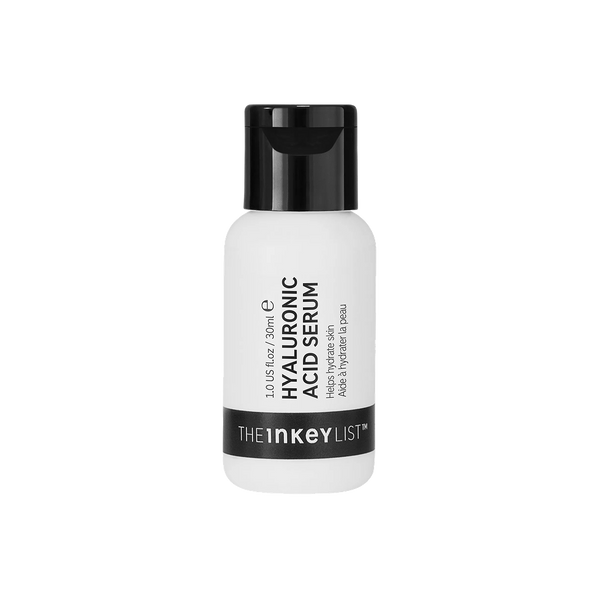
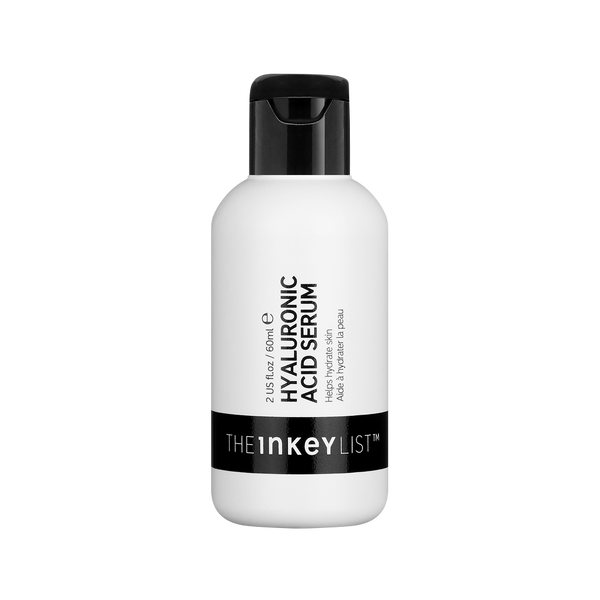
Our 2% Hyaluronic Acid Serum has been formulated with multiple molecular weights to ensure both immediate and long-term benefits. The inclusion of Matrixyl 3000™ peptide adds firming and smoothing benefits that complement hyaluronic acid’s hydrating properties, creating a comprehensive treatment that addresses multiple aging and skin quality concerns simultaneously.
The award-winning formula reflects years of research into optimal concentrations, delivery methods, and complementary ingredients. Unlike many hyaluronic acid products that focus solely on hydration, our formulation recognizes that truly effective skincare addresses multiple pathways to skin improvement.
Real results happen remarkably quickly with consistent use. Most people notice improved skin comfort and reduced tightness within the first few applications. The plumping effect on fine lines becomes apparent within the first week, while the cumulative benefits—improved radiance, reduced sensitivity, and enhanced overall skin quality—develop over 4-6 weeks of regular use.
The affordability factor addresses a common misconception in skincare: that effective ingredients require luxury prices. Our philosophy centers on making proven, high-quality ingredients accessible to everyone who wants to improve their skin. Premium ingredients shouldn’t be a luxury—they should be a standard.
Available in both 30ml and 60ml sizes, our Hyaluronic Acid Serum fits every routine and budget. The 30ml size is perfect for those new to hyaluronic acid or building a travel-friendly routine, while the 60ml size offers excellent value for those ready to commit to long-term skin transformation.
The educational component of The INKEY List experience extends beyond the product itself. We believe informed consumers make better choices and achieve better results. Understanding not just what to use but why and how to use it transforms skincare from a confusing routine into an empowering self-care practice.
For those ready to take their skin transformation further, our bundle builder can help create a comprehensive routine that addresses your specific concerns while ensuring compatibility between products. Alternatively, our skincare quiz provides personalized recommendations based on your unique skin profile and goals.
The confidence that comes from healthy, well-hydrated skin extends far beyond appearance. When your skin feels comfortable, looks radiant, and responds positively to your care routine, it creates a foundation of self-assurance that impacts every aspect of your day.
The transformation begins with a single step: recognizing that your skin’s signals matter and responding with scientifically-proven solutions. Whether you’ve identified one or all five signs that indicate your need for hyaluronic acid, the path forward is clear. Your skin has been telling you what it needs—now it’s time to listen and act.
Discover The INKEY List Hyaluronic Acid Serum and give your skin the hydration hero it’s been waiting for. Because knowledge-powered skincare isn’t just about what you apply to your skin—it’s about understanding exactly what your skin needs and providing it with simple, effective solutions that deliver real results.
Your journey to healthier, more radiant skin starts with recognizing the signs. The transformation continues with taking action. And the results speak for themselves in the comfort, confidence, and glow that comes from finally giving your skin exactly what it needs.

Got a question?
JZ is passionate for connecting consumers with skincare knowledge. From the moment he attended his first brand training, he knew he wanted to be involved in skincare education, and is now living his professional dream life at The INKEY List.


