



Under-Eye Hollows and Tear Troughs: What They Are and What Skincare Can Do
Learn what causes tear troughs and under-eye hollows, how they differ from dark circles and under-eye bags, and which ingredients help visibly hydrate and smooth the area.
Author
askINKEY skincare advisor
Published
02 November, 2026
Time to read
7 minutes
Quick answer: Tear troughs are a natural groove between the lower eyelid and the cheek. They become more visible when facial fat pads lose volume, skin thins with age, or bone structure gives less support. Skincare cannot replace lost volume, but hyaluronic acid, caffeine, peptides and ceramides can visibly hydrate, smooth and strengthen the skin over the hollow, so it looks less shadowed.
Key Takeaways
- Under-eye hollows are mainly structural. They are caused by changes in volume, fat pads, bone and skin thickness, not just tiredness.
- Hollows are different from dark circles (pigment or visible blood vessels) and from under-eye bags (fluid or fat pushing forward).
- Skincare improves the quality of the skin above the hollow. It does not fill the groove.
- The most useful ingredients are hyaluronic acid, caffeine, peptides, ceramides, retinol and daily SPF.
- Expect hydration from the first use and firmer-looking skin after 4 to 12 weeks of consistent use.
Products for the Under-Eye Area
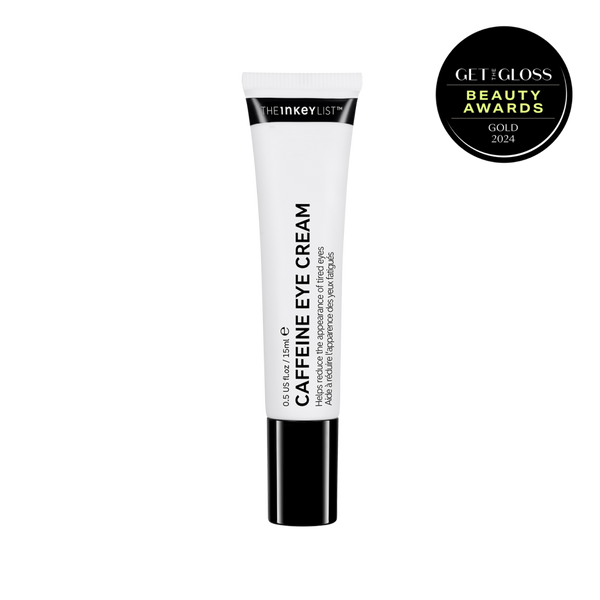
- Caffeine Eye Cream - $19 - clinically proven to reduce the look of under-eye bags and dark circles from first use, with Matrixyl 3000 peptides
- Hyaluronic Acid Serum - $18 - 2% multi-molecular hyaluronic acid for instant hydration and plumper-looking skin
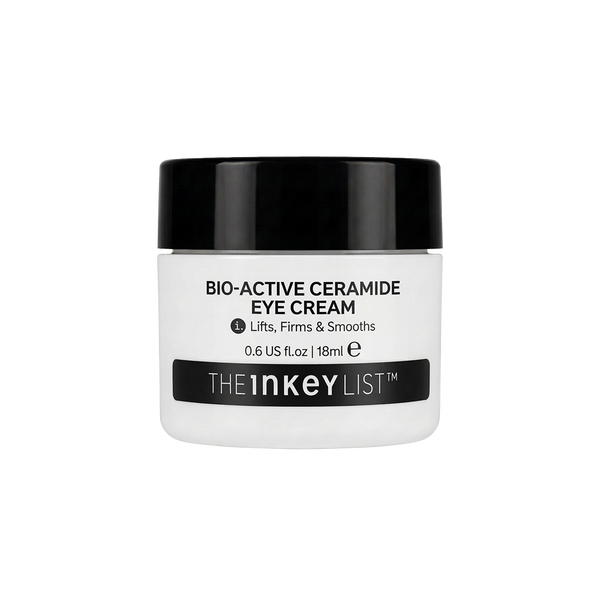
- Bio-Active Ceramide Moisturizer - $30 - strengthens the skin barrier, delivers 24-hour hydration and can be gently applied around the eye area
What Is a Tear Trough?
The tear trough is the groove that runs from the inner corner of the eye diagonally down and out towards the cheekbone. It sits where the lower eyelid meets the upper cheek, at the edge of the bony eye socket (the orbital rim). You may also see it called the nasojugal groove.
Every face has a tear trough. It only becomes a concern when the groove deepens, or when the skin and tissue around it can no longer smooth over it. The hollow then catches the light differently and casts a shadow, which makes the under-eye area look sunken or tired.
What Causes Under-Eye Hollows?
Volume loss with age
The face has several fat compartments that give it shape. From the mid-20s onwards, the fat pads under the eye and in the upper cheek slowly lose volume and move down. The smooth line from the lower lid to the cheek becomes a visible step, and the tear trough deepens.
Changes to the fat pads around the eye
The fat pads around the eye socket cushion the lower eyelid. When they shrink or shift, the bony rim underneath shows through more, and the hollow becomes more obvious.
Genetics and bone structure
Some people have visible tear troughs from a young age. A deeper-set or less projected orbital rim gives the skin less support. If your family members have them, yours are likely at least partly genetic.
Thinner skin and collagen decline
Under-eye skin is about 0.5mm thick, roughly a quarter of the thickness of cheek skin. As collagen and elastin decline, it becomes thinner and more see-through, so the hollow underneath is easier to see.
Sun exposure
UV exposure speeds up collagen breakdown and thins the skin around the eyes over time. This is why daily SPF matters even when your concern is structural.
Lifestyle factors
Dehydration, poor sleep and rapid weight loss can make hollows look deeper on a given day. They do not create the structural hollow. If it is still there when you are rested and hydrated, it is structural.
Under-Eye Hollows vs Dark Circles vs Under-Eye Bags
Hollows and tear troughs
- What it looks like: a sunken groove, with a shadow that changes with the light
- Main cause: volume loss, bone structure and thin skin
- Most helpful approach: hydration, peptides, ceramides and SPF
Pigmented dark circles
- What it looks like: brownish, and still there when the skin is gently stretched
- Main cause: excess melanin
- Most helpful approach: brightening ingredients and SPF
Vascular dark circles
- What it looks like: bluish or purplish, and worse when tired
- Main cause: visible blood vessels under thin skin
- Most helpful approach: caffeine, plus skin-strengthening ingredients
Under-eye bags and puffiness
- What it looks like: raised or swollen, often worse in the morning
- Main cause: fluid retention or fat pushing forward
- Most helpful approach: caffeine and a cool application
Quick self-check: Gently stretch the skin under your eye. If the darkness mostly disappears, it is likely a shadow from a hollow. If it stays, pigment or visible blood vessels are probably involved. Many people have more than one concern at once.
Can Skincare Fix Tear Troughs?
What skincare cannot do
- Rebuild lost fat pad volume
- Move fat pads that have dropped
- Fill the groove the way an injectable filler does
Skincare works on and in the skin. It does not reach the fat and bone that shape the tear trough.
What skincare can do
- Hydrate and plump the surface: well-hydrated skin looks smoother and better supported.
- Support firmer-looking skin over time: peptides and ceramides help the skin look stronger and more resilient, so it conceals the hollow better.
- Reduce puffiness and shadowing: caffeine targets the fluid retention that makes a hollow look deeper by contrast.
- Protect what you have: daily SPF helps slow UV-related collagen breakdown.
For mild to moderate hollowing, this can make a real visible difference. For deeper hollowing, skincare works best alongside professional treatment, not instead of it.
Best Skincare Ingredients for Under-Eye Hollows
Hyaluronic acid: surface hydration
Hyaluronic acid draws water into the skin. Our Hyaluronic Acid Serum ($18) contains 2% multi-molecular hyaluronic acid. The larger molecules hydrate the surface and the smaller ones work on deeper layers. Apply it to damp skin for best results. It will not fill a tear trough the way filler does, but it does visibly smooth the skin above it.
Caffeine: depuffing and a brighter look
Caffeine helps reduce fluid retention, which lessens puffiness and the shadow that comes with it. Our Caffeine Eye Cream ($19) combines caffeine with Matrixyl 3000 peptides and Albizia Julibrissin Bark Extract to reduce the look of eye fatigue. It is clinically proven to reduce the look of under-eye bags and dark circles from first use, and you can use it morning and night. Keep it in the refrigerator for an extra cooling boost.
Peptides: support for firmer-looking skin
Matrixyl 3000 is a well-studied peptide complex that signals skin to support its natural collagen. Over time this helps under-eye skin look firmer and smoother. You will find it in both the Caffeine Eye Cream and the Hyaluronic Acid Serum.
Ceramides: barrier strength and comfort
Ceramides are lipids that hold skin cells together and help keep moisture in. Our Bio-Active Ceramide Moisturizer($30) is clinically proven to strengthen the skin barrier from first use and deliver 24-hour hydration. It can be applied gently around the eye area as the last step of your evening routine.
Retinol: long-term smoothing
Retinol speeds up skin renewal and helps skin look denser and smoother over time. It is one of the best-studied ingredients for skin that is thinning with age. If you use it around the eyes, choose a gentle, slow-release formula designed for that area, start slowly, and avoid it during pregnancy and breastfeeding.
SPF: protecting your progress
Finish every morning with a broad-spectrum sunscreen of SPF 30 or higher, all year round, to help protect the collagen you are working to support.
Under-Eye Routine for Hollows
Morning
- Cleanse with a gentle cleanser.
- Hydrate: apply Hyaluronic Acid Serum to damp skin, including the under-eye area.
- Eye cream: pat Caffeine Eye Cream around the eye contour with your ring finger.
- Moisturize: Bio-Active Ceramide Moisturizer.
- Protect: a broad-spectrum SPF 30 or higher.
Evening
- Cleanse to remove sunscreen and makeup.
- Hydrate: Hyaluronic Acid Serum on damp skin.
- Eye cream: Caffeine Eye Cream for ongoing peptide support.
- Moisturize: Bio-Active Ceramide Moisturizer to lock in hydration and support the barrier overnight.
Application tips
- Use your ring finger and pat, never rub.
- Apply eye cream before moisturizer.
- Choose consistency over intensity. A simple routine you follow every day works better than a complicated one you follow sometimes.
When to See a Professional
Consider speaking to a qualified medical professional or licensed aesthetic practitioner if:
- the hollow is clearly visible in all lighting, whether or not you are rested and hydrated
- three or more months of a consistent routine has not given you the result you want
- the hollowing appeared quickly, for example after weight loss or a change in health
Tear trough filler uses hyaluronic acid gel to restore volume. Results usually last 12 to 18 months, and the procedure should only be done by an experienced, qualified practitioner. Good skincare before, between and after treatments helps maintain results.
Frequently Asked Questions
Got a question?
Our askINKEY team are a friendly bunch of skincare experts with deep product knowledge and zero judgement. Whether you're an ingredient obsessive or just starting out, we'll make it make sense. No question too big. No question too small. We Give A Care, Every Day.


