



Retinol and Sensitive Skin: Your Complete Guide to Safely Using Retinol
Published
02 February, 2026
For people with sensitive skin, retinol can feel scary. The persistent redness, heightened sensitivity, and fear of irritation have traditionally made this powerful anti-aging ingredient seem off-limits. But here’s what might surprise you: modern skincare science has evolved, and retinol is no longer forbidden territory for reactive skin.
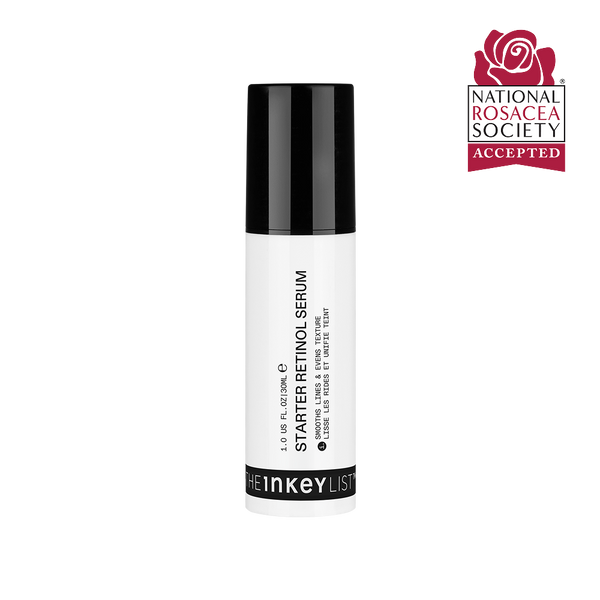
The key isn’t avoiding retinol entirely—it’s about using the right formulation with the right approach. The INKEY List Starter Retinol is specifically formulated for sensitive skin that needs anti-aging benefits without the typical sting. This guide will show you how to safely explore retinol benefits even with sensitive, reactive skin.
Understanding Sensitive Skin: Why Retinol Feels Risky
Sensitive skin affects millions, making it one of the most common skin concerns. Yet despite its prevalence, it remains widely misunderstood—which is precisely why retinol has been painted as off-limits for so many who could actually benefit from its anti-aging properties.
At its core, sensitive skin involves chronic inflammation and a fundamentally compromised barrier function—that protective layer that normally shields your skin from irritants. Think of healthy skin as having a well-organized brick wall; in sensitive skin, this wall has gaps and weak spots, making it more permeable to irritants.
This compromised barrier explains why people with sensitive skin often experience “hyperreactivity.” Ingredients that cause mild tingling in normal skin can trigger significant inflammation in reactive skin. Traditional retinol formulations—often delivered in alcohol-based solutions at high concentrations—can feel overwhelming for these individuals.
The historical avoidance wasn’t unfounded. Older retinol products were notorious for causing “retinoid dermatitis”—redness, peeling, and burning that could last weeks. For someone already dealing with persistent facial redness, the prospect of worsening these symptoms made retinol feel unnecessarily risky.
The Science: What Research Says About Retinol for Sensitive Skin
The conversation around retinol and sensitive skin has undergone a dramatic shift, moving away from absolute prohibitions toward nuanced, individualized approaches. Leading dermatological organizations, including the American Academy of Dermatology, have refined their guidance to reflect new research and improved formulation technologies.
Current scientific consensus reveals a more sophisticated understanding than the old “never use retinoids with sensitive skin” advice. Research published in the NIH acknowledges that while retinoids aren’t recommended during active flare-ups, they may be beneficial for maintenance and anti-aging concerns once inflammation is controlled.
The science of tolerance building has become crucial in modern practice. Research demonstrates that skin can gradually adapt to retinol through “retinization”—starting with very low concentrations and infrequent application, allowing cellular turnover processes to adjust without overwhelming compromised barrier function.
What makes this particularly relevant is the concept of “therapeutic tolerance.” Unlike immediate allergic reactions, retinol sensitivity often diminishes with proper, gradual introduction. The key is proper methodology—rushing the process can trigger the inflammatory cascade that skincare professionals have long been concerned about.
Why The INKEY List Starter Retinol Works for Sensitive Skin
Not all retinols are created equal, and this becomes critical when dealing with sensitive, reactive skin. The difference between successful retinol introduction and frustrating setbacks often comes down to formulation specifics that make The INKEY List Starter Retinol particularly suitable for sensitive skin.
Concentration matters, but it’s not just about numbers. While many products boast high percentages as selling points, skincare professionals consistently emphasize that “more” isn’t “better” for sensitive skin. The INKEY List Starter Retinol contains a carefully calibrated concentration that provides efficacy without overwhelming reactive skin barriers.
Advanced delivery technology represents one of the most significant advances in making retinol accessible to sensitive skin. Traditional formulations often deliver retinol in a single burst, overwhelming sensitive skin’s processing ability. The Starter Retinol employs stabilized retinol complex that protects the active ingredient from degradation while moderating its release—allowing your skin to “sip” rather than receive an overwhelming dose.
Supporting ingredient synergy is perhaps the most overlooked aspect of retinol selection for sensitive skin. The inclusion of hydrating actives in The INKEY List Starter Retinol is particularly beneficial because these biomimetic ingredients help reinforce compromised skin barriers. When combined with retinol, they act as both delivery enhancers and protective buffers.
Your Introduction Protocol: Starting Safely with Starter Retinol
Successfully introducing retinol to sensitive skin requires a strategic, methodical approach that respects your skin’s sensitivities while building tolerance over time. This protocol transforms what could be overwhelming into a manageable journey with clear milestones.
Pre-retinol preparation (Week 0): Spend one week ensuring your skin barrier is in optimal condition. Use gentle, fragrance-free cleansers, maintain consistent moisturization, and avoid new products. Pay attention to your skin patterns—notice what times feel most comfortable and what factors seem to trigger sensitivity.
Weeks 1-2: The gentle beginning starts with once-weekly application. Choose the same evening each week when stress levels are typically lower. Use the “sandwich method” with extra cushioning: apply moisturizer, wait 30 minutes, apply rice grain-sized amount of The INKEY List Starter Retinol, wait 10-15 minutes, then apply another moisturizer layer if needed.
What to expect: Mild, temporary tingling that subsides within 5-10 minutes is normal. Persistent burning, angry redness, or worsening of typical symptoms are concerning and warrant pausing.
Weeks 3-4: Increasing frequency moves to twice-weekly applications on non-consecutive evenings (Tuesday/Friday works well). Maintain the same careful protocol. Some mild dryness or gentle flaking around the nose and chin often indicates retinol is working to accelerate cellular renewal.
Weeks 5-6: Building toward regular use introduces every-other-night application for most people, though those with particularly sensitive skin may need to extend the twice-weekly phase. There’s no shame in proceeding slowly—successful long-term use matters more than reaching specific frequency within predetermined timelines.
Building Your Sensitive Skin Routine Around Starter Retinol
Success with retinol extends beyond the product itself—it requires creating a complete skincare ecosystem that supports tolerance, enhances benefits, and maintains the delicate balance reactive skin requires.
Morning routine essentials: Your morning routine protects newly sensitized skin, provides antioxidant support, and maintains hydration. Sunscreen becomes absolutely non-negotiable. Mineral sunscreens with zinc oxide and titanium dioxide often provide better tolerance than chemical formulations for reactive skin.
Begin with gentle cleansing using lukewarm water and a mild, non-foaming cleanser. Apply a hydrating serum containing hyaluronic acid to damp skin, followed by a barrier-supporting moisturizer. Finish with broad-spectrum SPF 30 or higher—this step is crucial as retinol increases photosensitivity.
Evening routine sequence: Consistency is key. Follow this order: gentle cleansing, wait for complete drying, moisturizer application (on retinol nights), 30-minute wait, The INKEY List Starter Retinol application, optional second moisturizer layer.
Hydration layering strategy becomes particularly important during the introduction period. The moisture sandwich method—moisturizer before and after retinol—significantly reduces irritation potential while maintaining effectiveness.
Strategic ingredient timing matters: use vitamin C in mornings for antioxidant protection and retinol in evenings for cellular renewal. This timing optimizes each ingredient’s function while preventing potential interactions that could increase sensitivity.
Troubleshooting: When Your Retinol Journey Needs Adjusting
Even with careful planning, using retinol with sensitive skin can present challenges requiring thoughtful problem-solving rather than immediate abandonment of your goals.
Distinguishing normal from concerning reactions: Normal adjustment includes mild, temporary tingling (5-10 minutes), slight dryness responding to increased moisturizer, and gentle flaking indicating healthy cellular turnover. Concerning reactions include persistent burning (>15 minutes), angry redness more intense than usual, swelling, or any reaction interfering with daily comfort.
Immediate response strategies: Pause The INKEY List Starter Retinol use immediately for concerning reactions. Focus on barrier repair with gentle cleansing and rich moisturizing, avoiding active ingredients or potential irritants. Cool compresses provide immediate relief, but avoid extreme temperatures.
Modification techniques:
- Frequency adjustments: Try “every third night” or “two weeks on, one week off” cycles
- Application modifications: Mix small amount with moisturizer to dilute concentration, or try “short contact therapy”—applying for 10-30 minutes before washing off
- Environmental considerations: Adjust for seasonal changes, stress levels, and hormonal fluctuations
The Cleveland Clinic’s comprehensive guide emphasizes that successful retinol use depends more on methodology than skin type, with patients achieving similar benefits regardless of baseline sensitivity when following structured protocols.
When to seek professional help: Persistent reactions not resolving within a week of discontinuation, worsening baseline symptoms, or uncertainty about reaction normalcy all warrant consultation with your doctor or dermatologist.
Your Path to Retinol Success
The journey to successfully incorporating retinol into sensitive skincare isn’t about overcoming your skin’s sensitivity—it’s about working intelligently with your unique needs to achieve deserved anti-aging benefits.
Modern skincare science has evolved beyond blanket restrictions to embrace nuanced approaches that make retinol accessible even for reactive skin types. The INKEY List Starter Retinol represents the culmination of research into effective yet tolerable retinol for sensitive skin. Its calibrated concentration, advanced delivery system, and barrier-supporting ingredients create an optimal entry point for those who never thought retinol would be possible.
The week-by-week protocol detailed here isn’t just about preventing irritation—it’s about building confidence alongside tolerance. Each successful application creates positive associations supporting long-term adherence, while gradual progression allows adaptive mechanisms to strengthen without overwhelming capacity for change.
Success doesn’t require perfect skin or absence of all sensitivity. It requires understanding your skin’s needs, choosing appropriate products, following strategic protocols, and maintaining realistic expectations about timelines and results.
The anti-aging benefits of retinol—improved texture, reduced fine lines, more even pigmentation, enhanced radiance—are just as valuable for people with sensitive skin as anyone else. With the right approach, these benefits are achievable without compromising comfort or stability.
Ready to start your retinol journey safely? Begin with The INKEY List Starter Retinol—formulated specifically for sensitive skin with gentle, effective ingredients that minimize irritation while delivering results. At $14.00, it makes premium retinol technology accessible while providing clinically proven results in just 7 days without irritation.
The path to integrating retinol into sensitive skincare isn’t about overcoming your skin’s nature—it’s about honoring its needs while pursuing your goals. With patience, the right products, and proper guidance, you can achieve the anti-aging benefits you’ve been seeking while maintaining the comfort and confidence that comes from well-managed, healthy skin.
Got a question?
Our askINKEY team are a friendly bunch of skincare experts with deep product knowledge and zero judgement. Whether you're an ingredient obsessive or just starting out, we'll make it make sense. No question too big. No question too small. We Give A Care, Every Day.


