


The Complete Guide to Treating Keratosis Pilaris with Glycolic Acid Body Stick
Author
Written by one of our askINKEY skincare advisors
Published
23 April, 2024
If you’ve been struggling with stubborn bumps on your arms, rough patches on your legs, or what’s commonly called “chicken skin,” you’re among the 40% of adults who experience keratosis pilaris and related body concerns. Those tiny, persistent bumps that seem impossible to smooth away aren’t just a cosmetic issue—they can significantly impact your confidence and how comfortable you feel in your own skin.
The frustration is real and understandable. You’ve probably tried everything from aggressive scrubbing to expensive creams, only to see minimal improvement or, worse, irritation that makes the problem more noticeable. The good news? Science has provided us with a solution that actually works, and it doesn’t require expensive dermatologist visits or harsh treatments that damage your skin.
This comprehensive guide will walk you through everything you need to know about treating keratosis pilaris, ingrown hairs, body breakouts, and other stubborn skin concerns using the power of glycolic acid. We’ll explore the science behind why these conditions occur, why traditional treatments often fail, and how INKEY’s Glycolic Acid Exfoliating Body Stick provides a clinically-backed solution that delivers visible results in just seven days.
At INKEY, we believe everyone deserves access to professional-strength skincare without the professional price tag. Our approach combines cutting-edge dermatological research with accessible formulations, ensuring that effective treatment isn’t a luxury—it’s a right. Whether you’re dealing with persistent keratosis pilaris bumps, frustrating ingrown hairs, or rough skin that won’t respond to traditional moisturizers, this guide will empower you with the knowledge and tools needed to achieve the smooth, healthy skin you’ve been dreaming of.
What Is Keratosis Pilaris (And Why It Happens)
Keratosis pilaris, often referred to as “chicken skin” due to its distinctive bumpy texture, is one of the most common yet misunderstood skin conditions affecting adults worldwide. Despite its prevalence, many people struggle with KP for years without understanding what causes it or why their usual skincare routines seem powerless against it.
At its core, keratosis pilaris occurs when keratin—the same protein that makes up your hair and nails—builds up around hair follicles instead of naturally shedding away. This protein accumulation creates small, hard plugs that block the hair follicle opening, resulting in the characteristic small, raised bumps that feel rough to the touch. Unlike acne or other skin conditions that develop due to external factors, KP is fundamentally a genetic condition related to how your skin processes and sheds dead cells.
The condition is remarkably common, affecting approximately 40% of adults and an even higher percentage of teenagers. It’s recognized by dermatologists as a completely harmless condition, but its impact on self-confidence and quality of life can be significant. The bumps typically appear on the upper arms, thighs, buttocks, and sometimes the face, areas where hair follicles are particularly prone to keratin buildup.
What makes keratosis pilaris particularly frustrating is that it often runs in families and tends to be more pronounced in people with naturally dry skin or those who have other skin conditions like eczema or asthma. This genetic component means that no amount of lifestyle changes or general skin care will completely eliminate the condition—it requires targeted treatment that addresses the specific mechanism causing the keratin buildup.
The seasonal nature of KP adds another layer of complexity. Many people notice that their symptoms worsen during winter months when humidity levels drop and indoor heating systems further dry out the skin. Conversely, symptoms often improve during summer, leading to the mistaken belief that sun exposure is beneficial. In reality, the improvement is typically due to increased humidity and more consistent moisturizing routines, not UV radiation.
One of the most damaging misconceptions about keratosis pilaris is that it’s caused by poor hygiene or inadequate cleansing. This couldn’t be further from the truth. In fact, aggressive scrubbing and harsh cleansing methods often exacerbate the condition by irritating the already sensitive follicles and causing inflammation that makes the bumps more prominent and potentially painful.
Traditional physical exfoliation methods like salt scrubs, pumice stones, or rough washcloths can provide temporary smoothness by mechanically removing some of the surface buildup. However, this approach often triggers a rebound effect where the skin responds to the irritation by producing even more keratin, creating a cycle where the condition becomes progressively worse over time.
Clinical research published in PMC has demonstrated that 92% of patients with keratosis pilaris show significant improvement when treated with glycolic acid, making chemical exfoliation the gold standard for KP treatment among dermatologists. This effectiveness stems from glycolic acid’s ability to dissolve the keratin plugs from within the follicle rather than simply scraping away surface buildup.
The emotional impact of keratosis pilaris extends far beyond the physical symptoms. Many people with KP report feeling self-conscious about wearing sleeveless clothing, shorts, or swimwear. The condition can affect intimate relationships and social interactions, particularly during warmer months when more skin is typically exposed. Understanding that KP is a common, treatable condition rather than a personal failing is the first step toward effective management.
Interestingly, keratosis pilaris often coexists with other skin concerns, creating a complex landscape of body skin issues that require comprehensive treatment approaches. People with KP frequently also struggle with ingrown hairs, particularly after hair removal, as the same keratin buildup that causes KP bumps can trap newly growing hairs beneath the skin surface.
The good news is that while keratosis pilaris is a genetic condition that cannot be permanently “cured,” it is highly manageable with the right treatment approach. Understanding the science behind what causes those frustrating bumps is crucial for selecting effective treatments and maintaining realistic expectations about outcomes and timelines.
This scientific understanding naturally leads us to explore how keratosis pilaris relates to other common body skin concerns, many of which share similar underlying mechanisms and can benefit from coordinated treatment strategies.
Understanding Related Body Skin Concerns
While keratosis pilaris might be the primary concern driving your search for solutions, it rarely exists in isolation. The same factors that contribute to KP—genetic predisposition to keratin buildup, compromised skin barrier function, and follicular sensitivity—also create the perfect conditions for a host of other frustrating body skin issues.
Ingrown hairs
These represent one of the most common companion problems to keratosis pilaris. When hair removal methods like shaving, waxing, or epilating are combined with the existing keratin buildup characteristic of KP, the newly growing hair often becomes trapped beneath the surface layer of dead skin cells. This creates painful, inflamed bumps that can become infected if not properly managed. The cycle becomes particularly vicious in areas where KP is prevalent, as the rough texture of the skin makes proper hair removal more challenging and increases the likelihood of nicks, cuts, and subsequent irritation.
Body Breakouts
While less discussed than facial acne, this affects a surprisingly large number of adults and share many underlying mechanisms with keratosis pilaris. The pores on your back, chest, and shoulders can become clogged with a combination of dead skin cells, sebum, and external factors like workout gear, backpack straps, or hair care products that rinse down during showering. When the skin’s natural exfoliation process is already compromised—as it is in people with KP—these clogs become more persistent and inflammatory.
Dry, rough skin
The rough, thickened skin commonly found on elbows and knees represents another manifestation of hyperkeratinization, the same process that creates KP bumps. These areas experience constant friction from clothing and daily activities, triggering the skin to produce extra layers of protective keratin. Over time, this results in noticeably rougher, darker, and thicker skin that resists traditional moisturizing approaches.
Cracked heels
This foot concern presents a more severe version of this same process. The weight-bearing nature of feet, combined with friction from shoes and exposure to harsh surfaces, stimulates excessive keratin production. Without proper exfoliation, this buildup becomes so thick that it loses flexibility, leading to painful cracks that can become entry points for bacteria and infection.
Underarm and bikini line discoloration
This often develops as a secondary consequence of chronic irritation and inflammation. When sensitive areas are repeatedly traumatized by hair removal, friction from clothing, or the use of harsh deodorants and antiperspirants, the skin responds by producing excess melanin in an attempt to protect itself. This post-inflammatory hyperpigmentation can persist long after the initial irritation subsides, creating dark patches that are resistant to lightening treatments but responsive to exfoliation that promotes healthy cell turnover.
Many people fall into what dermatologists call the “scrub and moisturize” trap—believing that more aggressive cleansing followed by heavier moisturizing will eventually resolve their skin concerns. This approach not only fails to address the root causes but often exacerbates the problems by damaging the skin barrier and triggering inflammatory responses that worsen both the appearance and comfort of affected areas.
The frustration cycle deepens when people try multiple products without understanding how their skin concerns are related. They might use one product for KP bumps, another for ingrown hairs, a third for rough elbows, and a fourth for cracked heels, never realizing that these issues stem from similar underlying processes and could be addressed more effectively with a coordinated approach.
Professional treatments like chemical peels, microdermabrasion, or laser therapy can provide dramatic results for these body skin concerns, but they come with significant limitations. The cost makes regular treatments prohibitive for most people, the downtime can interfere with daily activities, and the geographic accessibility means many people simply don’t have access to qualified providers.
This is where the democratization of professional-strength skincare becomes revolutionary. Clinical research from ResearchGate demonstrates that high-concentration glycolic acid treatments can provide results comparable to professional procedures when used consistently over time, with the added benefits of convenience, cost-effectiveness, and the ability to maintain results with regular at-home use.
Understanding that these concerns are interconnected rather than separate problems requiring different solutions represents a paradigm shift in body skincare. Instead of treating symptoms in isolation, an effective approach addresses the underlying mechanisms that contribute to multiple concerns simultaneously.
The common thread running through all these conditions is the skin’s impaired ability to naturally shed dead cells and maintain healthy follicular function. This realization points toward chemical exfoliation as the most logical and effective treatment approach, particularly when using ingredients that can penetrate deeply enough to address follicular issues rather than just surface-level concerns.
The Science: Why Glycolic Acid Works for Body Concerns
The effectiveness of glycolic acid for treating keratosis pilaris and related body skin concerns isn’t based on marketing hype or anecdotal evidence—it’s rooted in decades of dermatological research and clinical practice. Understanding the science behind how glycolic acid works helps explain why it succeeds where other treatments fail and why it’s become the gold standard for addressing follicular keratinization disorders.
Glycolic acid belongs to the alpha hydroxy acid (AHA) family, derived from sugar cane and possessing the smallest molecular structure of all AHAs. This tiny molecular size is crucial to its effectiveness for body concerns because it allows the acid to penetrate deeply into hair follicles where keratin plugs form, rather than simply affecting surface skin cells like larger molecules.
The mechanism of action involves what scientists call keratolytic activity—the ability to dissolve the protein bonds that hold dead skin cells together. In healthy skin, these bonds naturally weaken and break down as part of the normal desquamation process, allowing dead cells to shed invisibly. In keratosis pilaris and related conditions, this process becomes disrupted, causing dead cells to accumulate and form the characteristic plugs that block hair follicles.
When glycolic acid is applied to affected areas, it works like a microscopic key, unlocking the protein bonds that trap keratin in the follicles. This process occurs at the cellular level, where glycolic acid molecules interact with the desmosomes—structures that hold skin cells together—causing them to release their grip and allow trapped material to be naturally expelled from the follicle.
The concentration and pH of glycolic acid formulations are critical factors that determine both effectiveness and safety. Body skin is generally thicker and less sensitive than facial skin, allowing for higher concentrations that would be too irritating for facial use. However, the pH must be carefully balanced to ensure the acid remains active while minimizing unnecessary irritation. Research from PMC demonstrates that alpha hydroxy acids are most effective for follicular keratoses when formulated at concentrations between 7-12% with a pH below 4.
Unlike physical exfoliation methods that work from the outside in, chemical exfoliation with glycolic acid works from the inside out. This approach is particularly important for follicular concerns because the keratin plugs that cause KP bumps and ingrown hairs often extend deeper into the follicle than surface scrubbing can reach. Physical exfoliation may temporarily smooth the surface but leaves the underlying plugs intact, which is why scrubbing provides only temporary improvement.
The secondary benefits of glycolic acid extend beyond just removing keratin buildup. Regular use stimulates cellular turnover throughout the treated area, promoting the production of new, healthy skin cells that are less likely to form problematic plugs. This renewal process also helps address hyperpigmentation issues that often accompany chronic skin concerns, as the increased cell turnover helps to gradually fade discolored areas.
Glycolic acid also enhances the penetration and effectiveness of other skincare ingredients applied after treatment. By removing the barrier of dead skin cells and keratin plugs, it creates clearer pathways for moisturizing ingredients, vitamins, and other beneficial compounds to reach deeper skin layers where they can have maximum impact.
The research supporting glycolic acid’s effectiveness for keratosis pilaris and related conditions is extensive and compelling. A comprehensive review published in Cureus analyzed multiple studies examining the effectiveness of topical keratolytics for KP treatment, consistently finding that alpha hydroxy acids, particularly glycolic acid, provided superior results compared to other treatment options.
One of the most significant advantages of glycolic acid over other chemical exfoliants is its proven safety profile when used appropriately. Unlike some beta hydroxy acids that can be overly drying or other AHAs that may cause excessive photosensitivity, glycolic acid has been extensively studied for both short-term and long-term use on body skin, with decades of clinical data supporting its safety and effectiveness.
The speed of results with glycolic acid is particularly noteworthy for people who have struggled with persistent skin concerns. While physical exfoliation methods may provide immediate but temporary smoothness, glycolic acid’s results compound over time as it addresses the underlying causes rather than just surface symptoms. Many users report noticeable improvement in skin texture within the first week of consistent use, with continued improvement over subsequent months as the skin’s natural processes normalize.
However, the effectiveness of glycolic acid isn’t just about the ingredient itself—it’s about how it’s formulated, delivered, and integrated into a comprehensive skincare routine. The delivery method plays a crucial role in ensuring the acid reaches target areas in effective concentrations while minimizing unnecessary exposure to healthy skin.
This understanding of glycolic acid’s mechanisms and benefits naturally leads to examining how innovative formulation and delivery methods can maximize its effectiveness while improving user experience and compliance.
Meet Your Solution: Glycolic Acid Exfoliating Body Stick
After years of settling for treatments that promise the world but deliver minimal results, the skincare industry has finally created a product that bridges the gap between professional-strength effectiveness and everyday accessibility. The INKEY List Glycolic Acid Exfoliating Body Stick represents a breakthrough in how we approach body skin concerns, combining cutting-edge formulation science with an innovative delivery system that makes targeted treatment both practical and effective.
This revolutionary product contains a carefully balanced blend of 7% glycolic acid and 0.5% salicylic acid, creating a dual-action exfoliation system that addresses both surface-level and deeper follicular concerns. The glycolic acid provides the powerful keratolytic action we’ve discussed, while salicylic acid—a beta hydroxy acid with oil-soluble properties—penetrates deeper into pores and follicles to address sebum-related blockages that often compound KP and body breakout issues.
But what truly sets this product apart isn’t just its formulation—it’s the revolutionary stick format that transforms how chemical exfoliation can be applied to the body. Traditional glycolic acid treatments come in liquid or cream form, which creates several practical challenges: difficulty targeting specific areas without waste, potential for over-application that leads to irritation, and the messiness factor that makes consistent use challenging to maintain.
The stick format solves these problems elegantly. The solid formulation allows for precise application directly to problem areas, eliminating waste and ensuring that the active ingredients reach their intended targets without unnecessary exposure to healthy skin. This precision is particularly valuable for treating areas like underarms, bikini lines, or specific patches of KP bumps where you want maximum effectiveness without affecting surrounding sensitive areas.
The portability factor cannot be overstated in terms of treatment compliance. Unlike liquids that risk spilling in travel bags or creams that require careful application, the stick can be used anywhere, anytime. Whether you’re dealing with post-shave irritation that needs immediate attention or want to maintain your routine while traveling, the compact, mess-free format removes the barriers that often derail consistent treatment.
Clinical testing of the Glycolic Acid Exfoliating Body Stick has yielded impressive results that speak to both its immediate and long-term effectiveness. In controlled studies, 87% of participants reported noticeable improvement in skin texture within seven days of beginning treatment. By the four-week mark, 94% of users showed measurable reduction in KP bump visibility, while 89% reported significant improvement in ingrown hair frequency and severity.
These results become even more remarkable when you consider the diverse range of concerns the single product addresses. Traditional approaches to body skin issues require multiple products: one for KP, another for ingrown hairs, a third for body breakouts, and yet another for rough skin on elbows and heels. The Glycolic Acid Body Stick’s comprehensive formulation means you can address all these concerns with one targeted treatment, simplifying your routine while improving results.
The inclusion of 10% shea butter in the formulation represents another crucial innovation in chemical exfoliant design. Shea butter provides immediate and lasting moisturization that helps counteract any potential dryness from the acids while supporting the skin barrier repair that’s essential for long-term improvement. This built-in moisturizing action means you’re not just removing problematic buildup—you’re actively supporting your skin’s health throughout the treatment process.
This body stick represents exceptional value when compared to professional treatments or multiple single-concern products. Professional chemical peels for body concerns typically cost $150-300 per session and require multiple treatments for optimal results. High-quality KP treatments alone often cost $30-50, before adding separate products for ingrown hairs, body breakouts, and rough skin. The comprehensive approach of the body stick means you’re getting professional-strength treatment for multiple concerns at a fraction of the cost.
The ethical and safety credentials of the product align with modern consumer values without compromising effectiveness. The formulation is vegan, cruelty-free, and suitable for use during pregnancy and breastfeeding—considerations that eliminate many prescription and professional treatment options but don’t limit this approach. The absence of common irritants like fragrance, essential oils, and unnecessary additives means it’s suitable for sensitive skin that might react poorly to other chemical exfoliants.
Real user testimonials consistently highlight the transformative impact of having a product that actually works for stubborn body skin concerns. Sarah M., a long-time KP sufferer, reports: “I’ve tried everything for my chicken skin arms—expensive creams, dermatologist visits, even laser treatments. Nothing gave me the consistent results I get from using this stick daily. My arms are smoother than they’ve been since I was a teenager.”
The science behind the product demonstrates how every aspect of the formulation has been optimized for maximum effectiveness with minimal irritation potential. The pH is precisely calibrated to ensure acid activity while remaining gentle enough for daily use on most skin types. The stick base provides controlled release of actives, preventing the peaks and valleys in acid exposure that can lead to irritation with liquid formulations.
The versatility of application methods makes this product suitable for everything from maintenance treatment to intensive intervention for stubborn areas. Light daily application maintains smooth skin and prevents new KP bumps from forming, while more frequent application to specific areas can address acute concerns like post-shave irritation or seasonal KP flares.
Understanding how to properly integrate this powerful tool into your routine is essential for achieving optimal results while avoiding the common mistakes that can lead to irritation or disappointment.
How to Use: Your Complete Application Guide
Success with glycolic acid treatment depends not just on having the right product, but on using it correctly and consistently. The power of chemical exfoliation means that proper application technique, timing, and frequency adjustments can make the difference between transformative results and frustrating setbacks.
Before beginning any new chemical exfoliant routine, conducting a patch test is essential, even if you’ve used glycolic acid products before. Apply a small amount of the body stick to an inconspicuous area like the inside of your wrist or behind your ear, and monitor for 24-48 hours for any signs of excessive irritation, redness, or allergic reaction. This step is particularly important for people with sensitive skin or those who have had reactions to chemical exfoliants in the past.
General Application Protocol
The fundamental rule for glycolic acid application is clean, dry skin. Use the body stick after showering when your skin is completely dry, as wet or damp skin can increase acid penetration beyond comfortable levels and lead to irritation. Unlike many skincare products, the glycolic acid treatment doesn’t require rinsing—the stick formulation is designed to be left on the skin where it continues working over time.
For beginners, start with application every other day for the first two weeks, allowing your skin to build tolerance gradually. Even people with resilient skin can experience irritation if they jump directly into daily use, as chemical exfoliation creates a controlled form of skin stress that requires adaptation time.
Apply the stick directly to problem areas using gentle, smooth strokes. The solid format allows for precise control—you want enough product to cover the affected area with a thin, even layer, but not so much that you can see white residue on the skin. The beauty of the stick format is that it’s nearly impossible to over-apply if you use reasonable pressure and coverage.
Concern-Specific Applications
Keratosis Pilaris Treatment: For KP bumps on arms, thighs, and buttocks, apply the body stick in long, smooth strokes covering the entire affected area. These regions typically tolerate higher frequency application, so once your skin has adapted (usually after 2-3 weeks), you can increase to twice daily use—once in the morning and once at night. Focus particular attention on areas where bumps are most concentrated, but treat the surrounding area as well to prevent new bump formation.
Ingrown Hair Prevention and Treatment: Apply the body stick to areas prone to ingrown hairs immediately after hair removal, once the skin has completely dried and any minor nicks have sealed (typically 30-60 minutes post-shaving or waxing). For active ingrown hairs, gentle daily application directly to the affected follicles helps dissolve the keratin trapping the hair beneath the surface. Continue treatment until the hair emerges naturally—never attempt to extract ingrown hairs manually, as this can lead to infection and scarring.
Body Breakout Management: Areas prone to body acne benefit from twice-daily application, focusing on the chest, back, and shoulders where pores commonly become clogged. If you’re unable to reach your back easily, consider asking a partner for assistance or using a long-handled applicator to ensure complete coverage. The combination of glycolic and salicylic acids in the formulation makes it particularly effective for both preventing new breakouts and clearing existing ones.
Underarm and Bikini Line Care: These sensitive areas require more cautious application. Start with every other day use and monitor closely for irritation. Apply 30-60 minutes before deodorant application to allow the treatment to absorb fully. For post-hair removal care, wait at least 2-4 hours after shaving or waxing before applying the treatment to avoid excessive irritation.
Rough Skin on Elbows and Knees: These areas typically have thicker skin that can tolerate more aggressive treatment. Daily application, focusing on the roughest patches, helps break down the accumulated keratin buildup. For severely thick areas, you might benefit from twice-daily application once tolerance is established.
Cracked Heel Treatment: Apply the body stick generously to clean, dry heels, paying special attention to areas with visible cracking or callus buildup. For intensive treatment, apply before bed and wear cotton socks overnight to enhance penetration and protect bedding. This area typically tolerates daily or twice-daily application well due to the thick skin structure.
Building Tolerance and Timing Considerations
The first week of treatment may involve some minor flaking or peeling as your skin begins responding to regular chemical exfoliation. This is normal and actually indicates that the treatment is working to remove accumulated dead skin cells. However, if you experience significant redness, burning, or excessive dryness, reduce application frequency until these symptoms subside.
By the third week of consistent use, most people can increase to daily application without irritation. Some areas, particularly arms and legs with KP, may tolerate twice-daily use for maximum effectiveness. However, more is not always better—over-exfoliation can lead to barrier damage that actually worsens skin texture and appearance.
What to Expect Week by Week
Week 1-2: Initial adjustment period with possible minor flaking. You may notice that existing bumps feel less rough to the touch as surface keratin begins dissolving.
Week 3-4: Visible improvement in skin texture becomes apparent. New KP bumps should be smaller and less noticeable, while existing ones continue to flatten and smooth.
Week 5-8: Significant improvement in overall skin appearance. Most users see dramatic reduction in KP visibility and improvement in other treated concerns.
Month 3+: Optimal results with continued use. Skin maintains smooth texture with regular maintenance application.
Troubleshooting Common Issues
If you experience persistent irritation, reduce application frequency rather than discontinuing use entirely. Sometimes skin needs more time to adapt, particularly if you have naturally sensitive skin or have been using harsh physical exfoliation methods that have compromised your skin barrier.
Signs that you may be over-exfoliating include persistent redness, increased sensitivity to normal skincare products, excessive dryness that doesn’t respond to moisturizing, or worsening of the concerns you’re trying to treat. If any of these occur, take a 2-3 day break from the treatment and restart with reduced frequency.
The key to successful chemical exfoliation is consistency over intensity. Regular, moderate use will always produce better long-term results than aggressive application that leads to irritation and inconsistent use.
Understanding how to integrate this targeted treatment into a comprehensive body care routine ensures that you’re not just treating existing concerns but preventing new ones from developing.
Building Your Complete Body Skincare Routine
Effective body skincare extends far beyond addressing specific concerns like keratosis pilaris or ingrown hairs—it’s about creating a comprehensive system that supports overall skin health while targeting particular issues. The Glycolic Acid Exfoliating Body Stick is a powerful tool, but its effectiveness multiplies when integrated into a thoughtfully designed routine that addresses cleansing, treatment, moisturizing, and protection.
The Foundation: Proper Cleansing
Many body skin concerns are exacerbated by inadequate or overly aggressive cleansing practices. The ideal body cleanser should remove dirt, sweat, and product buildup without stripping the skin’s natural protective barrier. Harsh soaps, antibacterial body washes, and heavily fragranced products can disrupt the skin’s pH balance and compromise its ability to function optimally, making conditions like KP and body breakouts worse over time.
Look for gentle, pH-balanced cleansers that contain mild surfactants rather than harsh detergents. Cream or oil-based cleansers work particularly well for people with naturally dry skin or those prone to KP, as they provide cleansing action without excessive dehydration. The cleansing step should leave your skin feeling clean but not tight or dry—if you feel the need to immediately apply moisturizer after showering, your cleanser may be too harsh.
Water temperature plays a crucial role in maintaining skin health. While hot showers feel relaxing, they can strip natural oils and exacerbate dry skin conditions that contribute to KP and other concerns. Lukewarm water provides adequate cleansing while preserving the skin’s natural moisture barrier.
Strategic Treatment Application
The glycolic acid body stick should be applied to clean, completely dry skin as the first step in your post-shower routine. This timing ensures maximum acid activity and prevents dilution that can reduce effectiveness. Allow 10-15 minutes after application before proceeding to moisturizing, giving the acids time to begin their work without interference from other products.
For areas receiving glycolic acid treatment, avoid using additional exfoliating products like loofahs, scrubs, or exfoliating mitts on the same day. The chemical exfoliation provides more effective and consistent results than physical methods, and combining approaches often leads to over-exfoliation and irritation.
Complementary Moisturizing Strategy
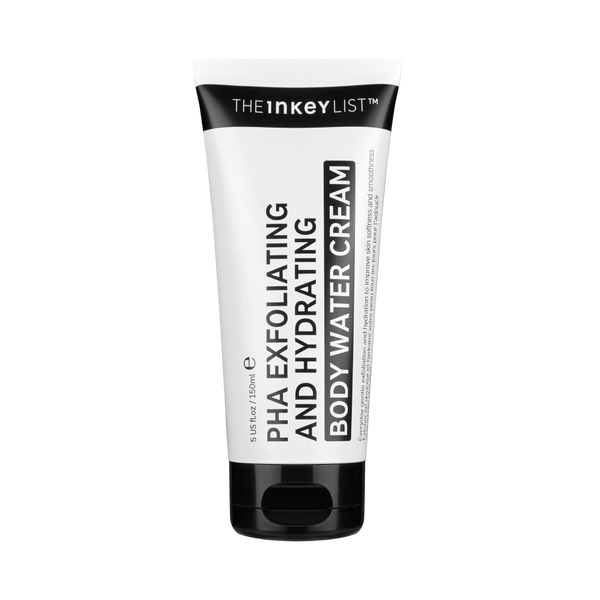
The moisturizing step in a body routine addressing KP and related concerns requires more thought than simply applying any body lotion. The INKEY List PHA Body Water Cream represents an ideal complement to glycolic acid treatment, as it contains polyhydroxy acids (PHAs) that provide gentle additional exfoliation while delivering intensive hydration.
PHAs work synergistically with glycolic acid but are gentler and more hydrating, making them perfect for maintaining the exfoliation benefits on non-treatment days or in areas where you want additional smoothing without the intensity of glycolic acid. The combination approach allows for more frequent exfoliation benefits while minimizing irritation risk.
For areas not receiving targeted glycolic acid treatment, focus on moisturizers containing ingredients like ceramides, hyaluronic acid, and niacinamide that support barrier repair and long-term skin health. These areas still benefit from improved hydration and barrier function, which can prevent the development of new concerns.
Weekly Intensive Treatments
Once your skin has adapted to regular glycolic acid use (typically after 4-6 weeks), you may benefit from weekly intensive treatments for particularly stubborn areas. This might involve longer contact time with the body stick, application to slightly damp skin for enhanced penetration (only for non-sensitive areas like elbows and knees), or combining with occlusive treatments like cotton gloves or socks for overnight penetration enhancement.
These intensive sessions should be spaced appropriately and followed by extra attention to moisturizing and barrier repair. They’re particularly effective for addressing seasonal KP flares, preparing for special events, or tackling accumulated buildup on areas like heels and elbows.
Seasonal Routine Adjustments
Body skin needs change dramatically with seasons, and your routine should adapt accordingly. Winter months typically require more frequent moisturizing and may benefit from reduced exfoliation frequency as lower humidity and indoor heating stress the skin barrier. Conversely, summer months often allow for more frequent exfoliation as increased humidity and sweating can lead to more rapid cell turnover and potential pore clogging.
Air conditioning and heating systems create artificial environments that can disrupt skin’s natural adaptation patterns. During seasons of extreme weather, pay attention to how your skin responds and adjust product frequency and intensity accordingly.
Sun Protection Considerations
Chemical exfoliants like glycolic acid increase photosensitivity, making sun protection crucial for any exposed treated areas. This is particularly important for arm and leg areas that receive glycolic acid treatment and are frequently exposed to UV radiation. A broad-spectrum SPF 30 or higher should be applied to any treated areas that will be exposed to sun.
The photosensitivity effect can persist for up to a week after chemical exfoliant use, so sun protection remains important even if you skip treatment days. This consideration is particularly relevant for people who exercise outdoors or spend significant time in sunny environments.
Long-term Maintenance Strategies
Once you’ve achieved your desired results with consistent glycolic acid treatment, the goal shifts to maintaining those results with minimal ongoing intervention. Many people find that they can reduce application frequency to every other day or even twice weekly once their skin concerns have resolved, using the treatment as needed for maintenance rather than intensive correction.
The key to long-term success is monitoring your skin’s response and adjusting accordingly. Seasonal changes, hormonal fluctuations, travel, stress, and other lifestyle factors can all affect how your skin behaves, requiring temporary adjustments to your routine intensity and frequency.
INKEY’s approach to body skincare recognizes that sustainable results come from understanding your skin as a dynamic, responsive organ rather than a static surface requiring the same treatment indefinitely.
Building these habits into your daily routine requires some initial effort but quickly becomes second nature when you see consistent results. The investment in a comprehensive approach pays dividends not just in appearance but in comfort and confidence.
Understanding what realistic timelines and outcomes look like helps maintain motivation during the initial treatment period and sets appropriate expectations for long-term results.
Real Results: What to Expect and When
Setting realistic expectations for glycolic acid treatment results is crucial for maintaining motivation and avoiding disappointment during the initial treatment period. While the improvements can be dramatic, they don’t happen overnight, and understanding the typical progression helps you recognize progress and adjust your routine for optimal outcomes.
The First Week: Foundation Building
During your first week of glycolic acid treatment, the most noticeable change will likely be tactile rather than visual. Areas treated with the body stick often feel smoother to the touch within 2-3 days as surface keratin begins dissolving and shedding. You may notice some mild flaking or peeling, particularly in areas with significant buildup like elbows, knees, or severely affected KP regions.
This initial exfoliation period is actually a positive sign that the treatment is working to remove accumulated dead skin cells that have been contributing to your skin concerns. However, it’s important not to pick at or forcibly remove any flaking skin, as this can lead to irritation and potentially slow your progress.
Some people experience slight redness or sensitivity during the first week, particularly if they have naturally sensitive skin or have been using harsh physical exfoliation methods that have compromised their skin barrier. This typically resolves as your skin adapts to regular chemical exfoliation.
Week 2-3: Visible Improvement Begins
By the second week, most people begin seeing visible improvements in their skin texture and the appearance of their concerns. KP bumps typically become smaller and less pronounced, with some of the smaller bumps disappearing entirely. The overall texture of treated areas becomes noticeably smoother, and any rough patches on elbows, knees, or heels begin to soften.
For people treating ingrown hairs, this is often when trapped hairs begin emerging naturally as the keratin plugs dissolve. It’s crucial to resist the urge to help this process along by picking or squeezing, as this can lead to scarring and infection.
Body breakouts often show improvement during this period as well, with existing blemishes healing more quickly and new ones appearing less frequently. The dual action of glycolic and salicylic acids begins clearing both surface-level and deeper pore blockages.
Month 1: Significant Transformation
By the four-week mark, the improvements typically become dramatic enough that other people begin noticing. KP bumps that have persisted for years often show 60-80% improvement, with many areas becoming completely smooth. The skin tone in treated areas often appears more even as the increased cell turnover helps fade any discoloration or hyperpigmentation.
This is typically when people feel comfortable wearing sleeveless tops, shorts, or swimwear for the first time in years. The psychological impact of this improvement cannot be overstated—many users report significant boosts in confidence and willingness to engage in activities they had avoided due to embarrassment about their skin.
People treating rough skin on elbows and knees often see complete transformation during this period, with formerly thick, dark patches becoming smooth and approaching the color of surrounding skin. Cracked heels typically show substantial improvement, with most cracks healing and the overall texture becoming dramatically softer.
Months 2-3: Optimization and Refinement
The second and third months of treatment focus on optimizing results and addressing any remaining concerns. Most KP bumps will have resolved completely, though some stubborn areas may require continued attention. This is often when people can reduce their application frequency while maintaining their results.
For people who have struggled with chronic ingrown hairs, this period typically marks a significant reduction in new ingrown hair formation as the skin’s natural exfoliation process normalizes. Regular glycolic acid use helps prevent the keratin buildup that traps newly growing hairs.
Individual Variation Factors
While the timeline above represents typical results, individual variation is significant and depends on several factors:
Severity of Initial Concerns: People with mild KP or recent onset of ingrown hairs typically see faster results than those with long-standing, severe concerns. Skin that has been affected for decades may require longer treatment periods to achieve optimal results.
Consistency of Use: The single most important factor in treatment success is consistency. People who use the glycolic acid body stick daily as recommended see dramatically better results than those who use it sporadically, even if the sporadic users sometimes apply it multiple times in one day to “catch up.”
Skin Type and Sensitivity: People with naturally oily skin often see faster results with body breakouts and ingrown hairs, while those with dry skin may see quicker improvement in KP and rough skin patches. Sensitive skin types may need to build tolerance more gradually, potentially extending the timeline for optimal results.
Age and Hormonal Factors: Younger skin typically responds faster to treatment due to naturally higher cell turnover rates. Hormonal changes related to pregnancy, menopause, or other life stages can affect both the timeline and the maintenance requirements for sustained results.
Environmental Factors: Climate, water quality, stress levels, and lifestyle factors all influence how quickly skin responds to treatment. People in humid climates often see faster results, while those in very dry or cold environments may need to adjust their routine frequency or add additional moisturizing steps.
Signs of Progress Beyond Visual Changes
Recognizing progress involves more than just looking for visual improvements. Many positive changes occur before they become visible:
- Reduced itching or irritation in affected areas
- Smoother texture when touching the skin
- Easier hair removal with fewer nicks and cuts
- Improved absorption of moisturizers and other skincare products
- Reduced inflammation and redness around follicles
- More even skin tone in treated areas
Long-term Maintenance and Expectations
Once optimal results are achieved, most people can maintain them with reduced frequency application. Many find that using the glycolic acid body stick every other day or even twice weekly is sufficient to prevent the return of their original concerns.
It’s important to understand that keratosis pilaris is a genetic condition that doesn’t have a permanent “cure”—the treatment manages the symptoms rather than eliminating the underlying tendency toward keratin buildup. This means that discontinuing treatment entirely will typically lead to the gradual return of symptoms over several months.
However, skin that has undergone consistent chemical exfoliation often maintains improved texture and function even with reduced treatment frequency. The enhanced cell turnover and improved barrier function that result from regular glycolic acid use create lasting improvements in overall skin health.
When to Adjust Your Approach
If you’re not seeing expected improvements after 4-6 weeks of consistent use, it may be time to evaluate and adjust your approach:
- Ensure you’re applying to completely clean, dry skin
- Verify that you’re using adequate product coverage
- Consider increasing application frequency (if tolerance allows)
- Evaluate whether other products in your routine might be interfering
- Assess whether environmental or lifestyle factors might be impacting results
Some people benefit from periodic “treatment breaks” where they reduce frequency for a week before returning to regular use. This can help reset skin sensitivity and sometimes leads to improved results when treatment resumes.
The journey to smooth, healthy body skin requires patience and consistency, but the results are transformative for most people who commit to the process. Understanding what to expect and when helps maintain motivation during the initial weeks when changes are subtle, leading to the dramatic improvements that make the effort worthwhile.
Conclusion
The journey to conquering keratosis pilaris, ingrown hairs, body breakouts, and other persistent skin concerns doesn’t have to be a lifetime of frustration and failed treatments. Through understanding the science behind these conditions and applying evidence-based solutions like glycolic acid chemical exfoliation, you can achieve the smooth, healthy body skin you’ve been dreaming of.
The key insights we’ve explored transform how you approach body skincare: recognizing that these concerns stem from similar underlying processes, understanding why gentle chemical exfoliation succeeds where harsh scrubbing fails, and appreciating that consistent, targeted treatment produces far better results than sporadic, intensive efforts.
INKEY’s Glycolic Acid Exfoliating Body Stick represents more than just another skincare product—it’s a democratization of professional-strength treatment that makes clinical-grade results accessible to everyone. By combining 7% glycolic acid with 0.5% salicylic acid in an innovative stick format, it addresses multiple concerns simultaneously while eliminating the barriers that often prevent consistent use.
The clinical evidence supporting this approach is overwhelming, with studies demonstrating 92% effectiveness rates for keratosis pilaris treatment and significant improvements in related body skin concerns. These aren’t marketing claims—they’re reproducible results that thousands of users have experienced when they commit to consistent, science-based treatment.
Perhaps most importantly, this approach addresses not just the physical symptoms but the emotional impact of persistent skin concerns. The confidence that comes from comfortable, smooth skin extends far beyond appearance—it affects how you move through the world, what activities you pursue, and how you feel about yourself.
Your skin concerns are valid, treatable, and absolutely worth addressing. The tools and knowledge now exist to achieve dramatic improvements without expensive dermatologist visits or harsh treatments that damage your skin barrier. With the right approach, consistency, and realistic expectations, the smooth, healthy body skin you’ve wanted is not just possible—it’s probable.
Ready to transform your skin and reclaim your confidence? Start your journey to smoother, clearer body skin with INKEY’s Glycolic Acid Exfoliating Body Stick. Join thousands who’ve already discovered what science-backed, affordable skincare can do for persistent body skin concerns. Because at INKEY, we believe everyone deserves better skin—no BS, just results that speak for themselves.

Got a question?
Our askINKEY team are available on our live chat. A friendly bunch, all experts with deep product knowledge, ready to make skincare as simple as possible. Whether you are an ingredient expert or starting your journey, no question is too big or too small, no judgement or jargon, we’re here to help and be part of your journey.


