


Glycolic Acid for Feet: How to Smooth Rough, Dry Skin
Discover how glycolic acid softens rough, dry feet and smooths the look of cracked heels, plus exactly how to use it and how often.
Author
askINKEY skincare advisor
Published
17 October, 2026
Time to read
3 minutes
Feet take a lot of daily wear, so it is no surprise that heels and soles can build up hard, dry, flaky skin. Glycolic acid is one of the most effective ingredients for softening that rough skin and leaving feet feeling smoother. Here is how it works and how to use it properly.
What does glycolic acid do for feet?
Glycolic acid is an alpha hydroxy acid (AHA) with a very small molecule size, which means it works efficiently on the skin's surface. On feet, it helps to gently dissolve the bonds holding dead skin cells together. That loosens built-up hard skin on heels and soles, so your feet look and feel smoother and softer over time, without the need for harsh scrubbing.
Can you use glycolic acid on your feet?
Yes. The skin on your feet, especially the heels and soles, is thicker than the skin on your face, so it can generally tolerate exfoliating acids well. Start slowly, see how your skin responds, and avoid applying to any broken skin, open cracks, or irritated areas.
Does glycolic acid help with cracked heels and dry feet?
Glycolic acid helps by removing the layers of hard, dry skin that make heels look rough and cracked. Once that build-up is reduced, feet feel softer and moisturizers can absorb more effectively. For best results, pair exfoliation with consistent hydration so the skin stays soft and comfortable.
How to use glycolic acid on your feet
- Start with clean, dry feet.
- Apply a glycolic acid treatment designed for the body to the rough areas, such as heels and soles.
- Follow with a hydrating moisturizer to lock in softness.
- Build up frequency gradually as your skin adjusts.
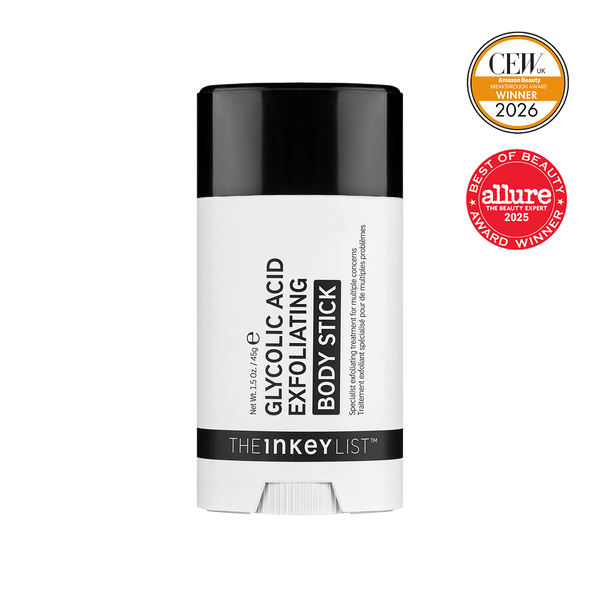
The easiest way to target feet is with the Glycolic Acid Exfoliating Body Stick ($27.00). It is a mess-free, swipe-on stick that delivers glycolic acid straight to rough areas like heels, making it simple to treat feet directly.
How often should you use glycolic acid on feet?
Begin with two to three times a week and see how your skin feels. Because the skin on your feet is thicker, you may be able to use it more often than you would on your face, but always listen to your skin and reduce frequency if you notice any sensitivity.
Don't forget to hydrate
Exfoliation works best alongside hydration. After using an acid, replenish moisture to keep feet soft and comfortable.
- PHA Body Water Cream ($21.00) delivers lightweight, fast-absorbing hydration with a gentle exfoliating boost, making it a great all-over body partner to your foot routine.
- For areas that need richer comfort, Bio-Active Ceramide Moisturizer ($30.00) helps strengthen the skin barrier and deeply hydrate drier, rougher patches.
Can you use glycolic acid elsewhere?
Absolutely. If you like how glycolic acid smooths your feet, the same exfoliating benefits apply across the body and face. The Glycolic Acid Toner ($24.50) is a lightweight, exfoliating toner that helps refine texture and visibly brighten skin as part of your evening routine. Use PM only.
The takeaway
Glycolic acid is a simple, effective way to soften rough, dry feet and smooth the appearance of cracked heels. Exfoliate consistently, hydrate afterwards, and build up frequency gradually for feet that feel noticeably smoother.
Clear guidance. Proven ingredients. Real results.
Frequently Asked Questions
Got a question?
Our askINKEY team are a friendly bunch of skincare experts with deep product knowledge and zero judgement. Whether you're an ingredient obsessive or just starting out, we'll make it make sense. No question too big. No question too small. We Give A Care, Every Day.


