

Azelaic Acid for Rosacea-Prone Skin: Does It Actually Work?
Azelaic acid is one of the best-supported ingredients for calming the look of redness and bumps on rosacea-prone skin, and here's what the evidence shows.
Author
askINKEY skincare advisor
Published
17 October, 2026
Time to read
5 minutes
Yes. Azelaic acid is one of the most well-supported ingredients for improving the appearance of redness and bumps on rosacea-prone skin. Prescription-strength (15%) formulas have the strongest clinical trial data, while cosmetic-strength serums (around 10%) offer a gentler, daily-use option that's easier to build into a sensitive skin routine. Here's what the evidence actually shows, what to realistically expect, and how to use it without triggering irritation.
Is Azelaic Acid Good for Rosacea-Prone Skin?
Azelaic acid is a naturally occurring dicarboxylic acid that's been studied for decades in dermatology. Unlike stronger acids or retinoids, it works without exfoliating the surface of the skin, which is exactly why it's so well tolerated by reactive, rosacea-prone skin. The strongest evidence sits with prescription-strength 15% formulations, but cosmetic serums at around 10% are formulated to deliver visible redness relief with a much lower risk of irritation.
What Azelaic Acid Actually Does for Rosacea-Prone Skin
It works in three main ways:
- Calms the look of redness and bumps. Its anti-inflammatory properties work at the source of visible redness, helping skin look calmer over time.
- Helps with congestion. It supports normal skin cell turnover, which can help with the look of bumps and congestion associated with rosacea-prone skin.
- Improves the look of uneven tone. Over time it can help even out the appearance of marks left behind after breakouts.
Which Rosacea Presentations Does It Suit Best?
The strongest evidence is for bump and pustule-type presentations. It's less proven for persistent flushing or visible redness without bumps, and it won't address broken capillaries or thickened skin tissue, which need dedicated clinical approaches.
Why It Suits Reactive Skin Specifically
Azelaic acid works beneath the surface rather than exfoliating it, so it carries a lower irritation risk than stronger acids or retinoids. It's also non-photosensitising, meaning it can be used both morning and night without increasing sun sensitivity (daily SPF is still essential).
What Percentage of Azelaic Acid Is Best for Rosacea-Prone Skin?
Prescription gels and foams are typically formulated at 15%, which is where most clinical trials sit. Cosmetic serums, like ours, are generally formulated at 10%. Higher isn't automatically better: tolerability and consistency of use matter more than raw strength, because a product you can't comfortably use every day won't deliver results.
Formulation Matters as Much as Percentage
Look for a clearly stated percentage, soothing or buffering ingredients, a fragrance-free formula, and a texture you'll actually want to use daily.
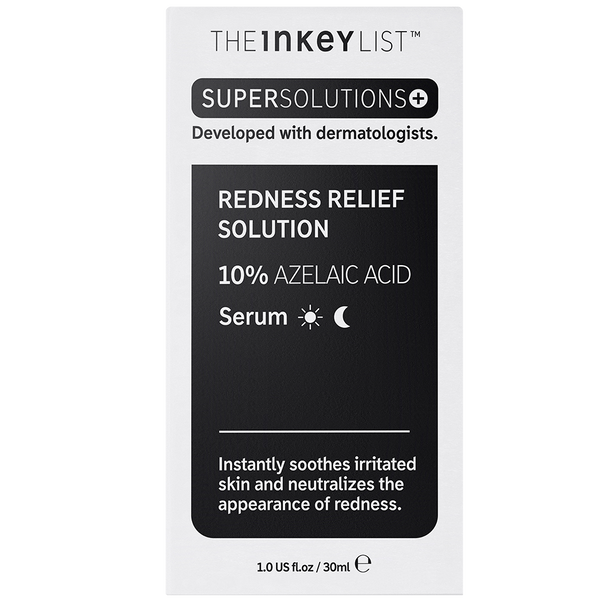
Our 10% Azelaic Acid Serum for Redness Relief ($27.00 / 30ml) was tested in a consumer trial and shown to visibly minimize redness in 4 days. It's formulated with allantoin to help soothe skin as it works, and is suitable for sensitive and rosacea-prone skin.
How to Actually Use It
- Apply to clean, dry skin.
- Start once daily or every other day if you're new to actives.
- Build up to daily use as tolerated.
- Always patch test before introducing it to your full routine.
Azelaic Acid and Rosacea-Prone Skin: A Realistic Timeline
- Day 1: Skin may look instantly calmer.
- Day 4: Visible reduction in redness typically begins.
- Weeks 2-4: Skin adjusts; mild tingling or dryness can occur here.
- Weeks 4-8: More noticeable, consistent improvement.
- Weeks 8-12+: Cumulative results, including improvement in the look of uneven tone.
Results vary based on your skin's presentation, severity, and above all, consistency of use.
What to Expect: Side Effects
Common and temporary: mild tingling, warmth, or light dryness/flaking in the first one to two weeks.
Adjustment versus genuine irritation: mild tingling that fades is normal adjustment. Burning, spreading rash, or worsening redness is not, and means you should stop use.
How to minimize the chances of trouble:
- Patch test first.
- Start low and slow.
- Apply to dry skin only.
- Buffer with a moisturizer if needed.
- Introduce one new active at a time.
- Support your skin barrier throughout.
Building the Best Skincare Routine for Rosacea-Prone Skin
Cleanse Without Stripping
Start with a gentle, non-foaming cleanser. Our Oat Cleansing Balm – 150ml ($23.00 / 150ml) melts away makeup and SPF without disrupting the skin barrier, making it ideal for reactive skin.
Hydrate and Support the Barrier
A hydrated, well-supported barrier handles actives far better. Our Hyaluronic Acid Serum – 30ml ($18.00 / 30ml) draws moisture into the skin, while our Ectoin Hydro-Barrier Serum ($23.00 / 30ml) helps strengthen the barrier itself, ideal if your skin is easily irritated.
Moisturize According to Your Skin Type
For oilier or combination skin, our Omega Water Cream – 50ml ($20.00 / 50ml) offers lightweight, oil-free hydration. For drier skin, our Bio-Active Ceramide Moisturizer ($30.00 / 50ml) helps replenish lipids and reinforce the skin barrier.
Don't Skip Sun Protection
Daily sun protection is essential, especially while using active ingredients like azelaic acid. Pair your routine with a broad-spectrum SPF from your preferred source to protect skin as it adjusts.
Ingredients You Might Be Wondering About
Azelaic acid generally layers well with niacinamide and hyaluronic acid. Introduce retinol and exfoliating acids separately and slowly, never all at once, to avoid overwhelming reactive skin.
The Honest Verdict on Azelaic Acid for Rosacea-Prone Skin
The evidence genuinely supports azelaic acid for visible redness and bumps associated with rosacea-prone skin, particularly at prescription strength, though cosmetic-strength formulas offer a well-tolerated, accessible daily option. Consistency matters more than intensity. If you have diagnosed rosacea, it's always worth checking in with a dermatologist to build the right plan for you.
Ready to start? Shop our 10% Azelaic Acid Serum for Redness Relief ($27.00 / 30ml).
Frequently Asked Questions
Got a question?
Our askINKEY team are a friendly bunch of skincare experts with deep product knowledge and zero judgement. Whether you're an ingredient obsessive or just starting out, we'll make it make sense. No question too big. No question too small. We Give A Care, Every Day.


